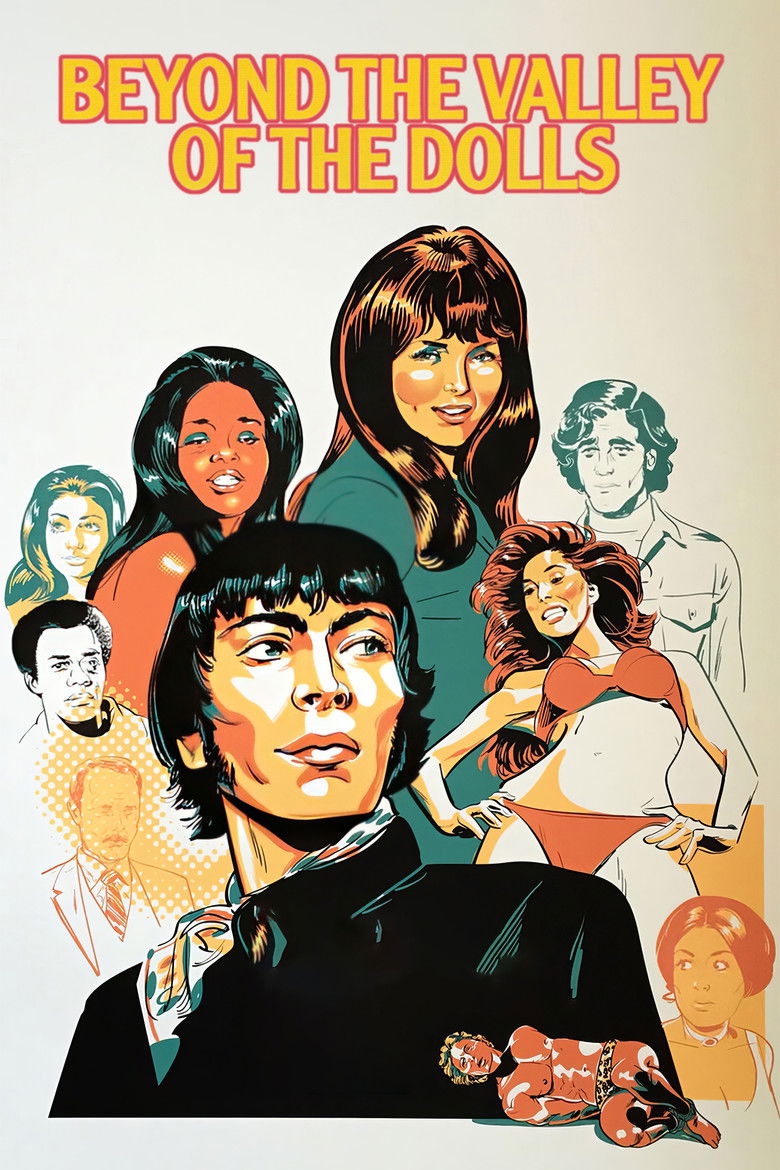
Sexploitation
About Sexploitation Films
Sexploitation names a market logic before it names a style. These are films that sell sex as spectacle, scandal, tease, taboo, or pretext, often with a speed and nakedness that mainstream cinema historically tried to disguise behind euphemism. On CaSTV, the tag matters because horror has long fed on the same economies of looking, shame, desire, and punishment. Sexploitation is not automatically horror, but when horror enters the frame the overlap becomes especially revealing. Bodies are desired, displayed, threatened, moralized, and monetized all at once.
The category sits in close conversation with Exploitation, Erotica, Dark Comedy, Thriller, and Horror. Exploitation supplies the commercial shamelessness. Erotica supplies desire as formal subject. Dark comedy often appears because the whole transaction can be absurdly transparent once the film realizes how much it is asking the audience to stare. Thriller adds blackmail, secrecy, pursuit, and voyeuristic tension. Horror contributes bodily consequence and the idea that what is being looked at may eventually look back in the worst possible way.
The difference between sexploitation and erotica is often one of intention and texture. Erotica can be interested in desire as experience, atmosphere, or psychology. Sexploitation is usually more transactional. It foregrounds nudity, taboo premise, and the promise of forbidden access as a pitch. That does not make every film empty, but it does shape the viewer's relation to the image. Horror benefits from this uneasily because horror already understands that spectatorship can be predatory. Sexploitation simply removes much of the pretense.
National traditions handle the overlap differently. In the United States, sexploitation horror often intersects with grindhouse economics, censorship battles, and the tension between moral rhetoric and commercial appetite. In Italy, France, and Spain, the category may become more decadent, more visually lush, or more heavily entangled with Catholic taboo and Eurocult stylization. In Japan, adjacent traditions often push farther into formal extremity or psychological abrasion, complicating the line between sexploitation, erotica, and outright body panic.
The body is of course central, but the crucial question is how the film frames bodily access. Is the body a commodity, a fantasy surface, an object of humiliation, a site of threat, a route into power, or some unstable combination of all of these. Sexploitation horror can become especially sharp when the economy of looking turns back on the spectator. A voyeur becomes prey. A performer becomes avenger. A bedroom turns into a ritual chamber. A fantasy setup reveals itself as a predatory system with better lighting. The genre becomes revealing when it understands the violence implicit in commodified desire.
This is also where sexploitation touches Crime and Psychological Horror. Blackmail, hidden recordings, trafficking, coercion, pimping, and the social management of sexual secrecy all fit naturally into the overlap. Psychological horror matters because desire under surveillance can become paranoia very quickly. People lie to preserve image, then sink deeper into systems that profit from the lie. Horror does not need supernatural assistance to make that structure feel hellish, though it can certainly add it.
Historically, sexploitation cinema has often been dismissed as disposable, but that dismissal misses how much it reveals about the boundaries of representation in a given moment. What a culture will permit, condemn, market, or punish around sex is rarely stable. Sexploitation tracks those shifts crudely but clearly. When horror appears inside the category, it often exposes the punishment fantasies hiding just beneath the surface of permissive display. Desire is invited, then disciplined. Pleasure is promised, then made fatal. The script may pretend moral distance, but the market impulse underneath is usually naked.
For CaSTV viewers, the tag should identify films where sexual display and taboo are central parts of the commercial and narrative machinery, not just incidental ingredients. It belongs beside Exploitation, Erotica, Thriller, Psychological Horror, and Horror because those neighboring tags explain whether the film leans more toward sensation, mood, coercion, or fear.
Sexploitation remains important to horror history because the genre has always known that looking is dangerous. Sexploitation turns that danger into a sales pitch. Horror can then reveal what the pitch was really buying access to: not only desire, but the systems of shame, surveillance, commodification, and punishment that so often travel with it. The result is frequently compromised, sometimes ugly, occasionally fascinating, and almost never innocent.