Surreal
About Surreal Films
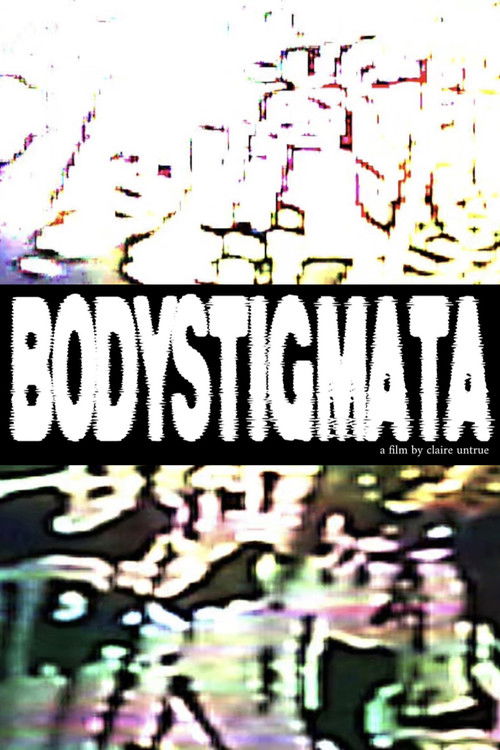
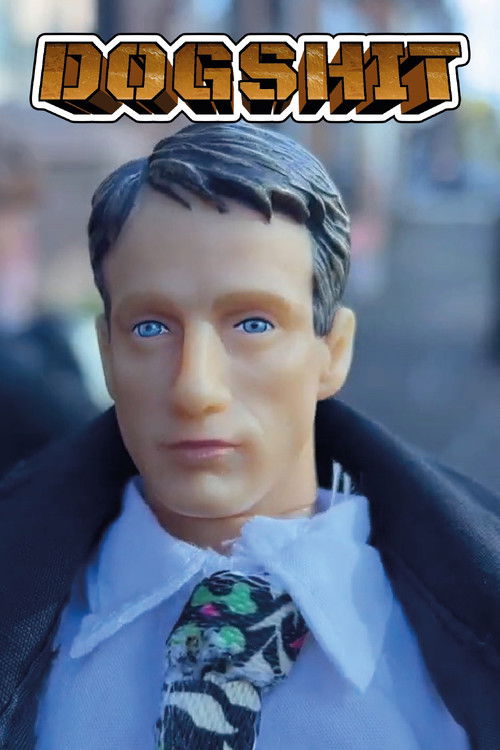
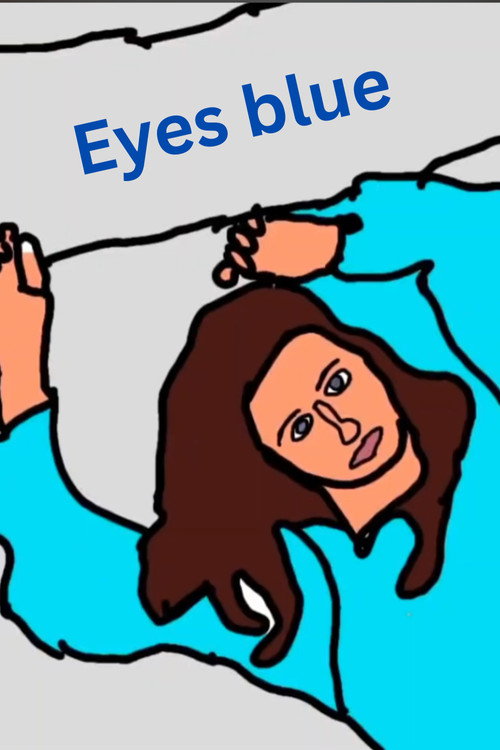
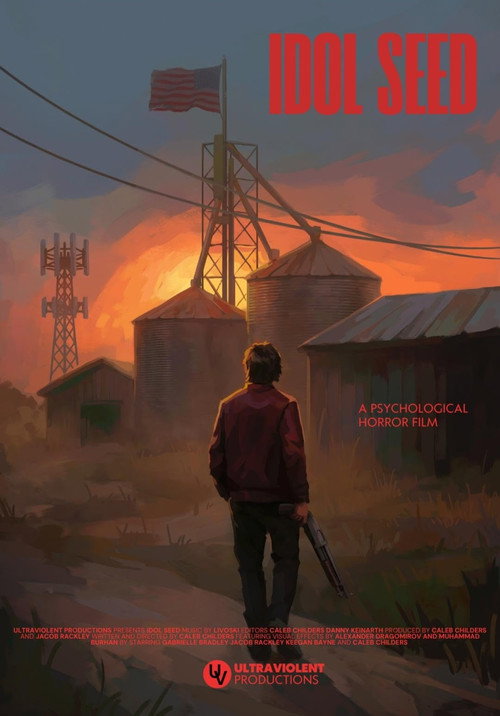
Surreal horror does not ask whether the world makes sense. It asks what happens after sense has already lost the argument. Dreams bleed into rooms. Objects behave with conviction but without explanation. Identity doubles, fractures, and returns at the wrong angle. A scene may feel emotionally exact even when nothing in it obeys rational structure. On CaSTV, surreal matters because it names one of horror's most powerful routes away from literalism. Fear does not need a coherent monster if reality itself has become grammatically unstable.
The surreal is not simply random weirdness. At its best, it is rigorously precise about disorientation. Repetition arrives where resolution should be. A face appears too early or too late. A hallway leads to the wrong memory. A body behaves according to symbolic pressure rather than anatomy. Horror thrives here because it already knows that logic is not the only way people experience terror. Panic, grief, trauma, desire, and obsession often feel surreal before they ever become narratable. The genre simply gives that feeling visual law.
This makes surreal horror deeply connected to Experimental, Psychological Horror, Occult, Fantasy, and Body Horror. Experimental film shares its freedom from ordinary causality. Psychological horror shares its interest in subjective dislocation. Occult work often provides ritual or symbolic systems that feel only half legible. Fantasy offers alternate rules without guaranteeing comfort. Body horror brings the surreal into flesh, where impossible transformation can feel less like science and more like dream punishment.
National traditions have cultivated the form in different ways. In France and Spain, surrealism has deep historical roots that continue to shape horror's relationship to religion, desire, and absurdity. In Japan, surreal horror often merges urban alienation, media distortion, and bodily instability into intensely modern nightmares. In the United States, surreal horror frequently emerges through independent cinema, dream logic, and the eerie violence of suburbia or performance culture. Across Eastern Europe and elsewhere, surreal work may carry stronger traces of political allegory, folk residue, or visual asceticism.
One reason the category remains so important is that surreal horror protects mystery from premature explanation. In many conventional narratives, the strange must eventually be translated into plot. Surreal films resist that demand or meet it only partially. An image remains an image, stubborn and charged. This can frustrate viewers looking for neat causality, but it also allows horror to stay closer to the psychic experience it is trying to evoke. Not every dread has a satisfying explanation. Some simply repeat until they acquire force.
The body is central here too, often in unstable ways. Limbs detach from moral expectation. Faces become masks, mirrors, or wounds. Sex and shame turn spatial. Time appears to pass through flesh unevenly. This is why surreal horror so often overlaps with Body Horror. The body in these films is not only vulnerable. It is semantically unstable. It can stand for desire, guilt, memory, punishment, or transformation all at once without choosing a single realistic register.
Sound is often just as important as image. Repeated phrases, humming rooms, impossible silences, music that seems to know more than the characters, voices that arrive without mouths, and acoustic discontinuities all help destabilize the viewer's trust in sequence. Horror uses this beautifully. Once sound refuses to behave, the world becomes hard to inhabit even before anything visibly monstrous happens.
For CaSTV viewers, surreal should signal films where dream logic, symbolic instability, or irrational transitions are central to the horror effect rather than incidental flourishes. It belongs beside Experimental, Psychological Horror, Occult, Fantasy, and Body Horror because those adjacent tags help explain what kind of dislocation is in play.
Surreal horror remains essential because it recognizes that terror is often least manageable when it cannot be made proportional to a cause. The hallway is wrong. The lover is doubled. The city feels staged. The body won't stay metaphorically quiet. The dream keeps leaking into morning. Horror does not always need to solve these conditions. Sometimes it only needs to trap the viewer inside them long enough for the irrational to become the most convincing thing on screen.