Crime
About Crime Films
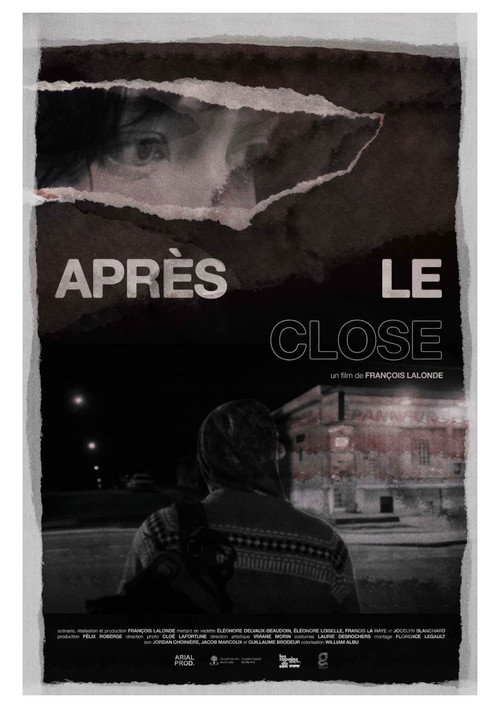
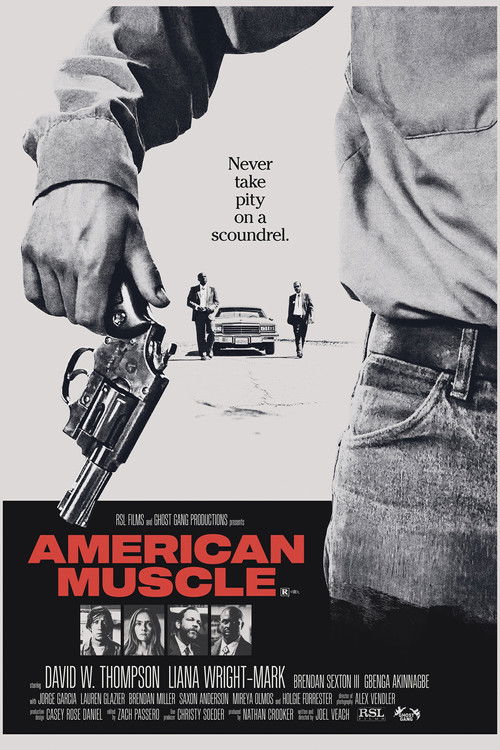
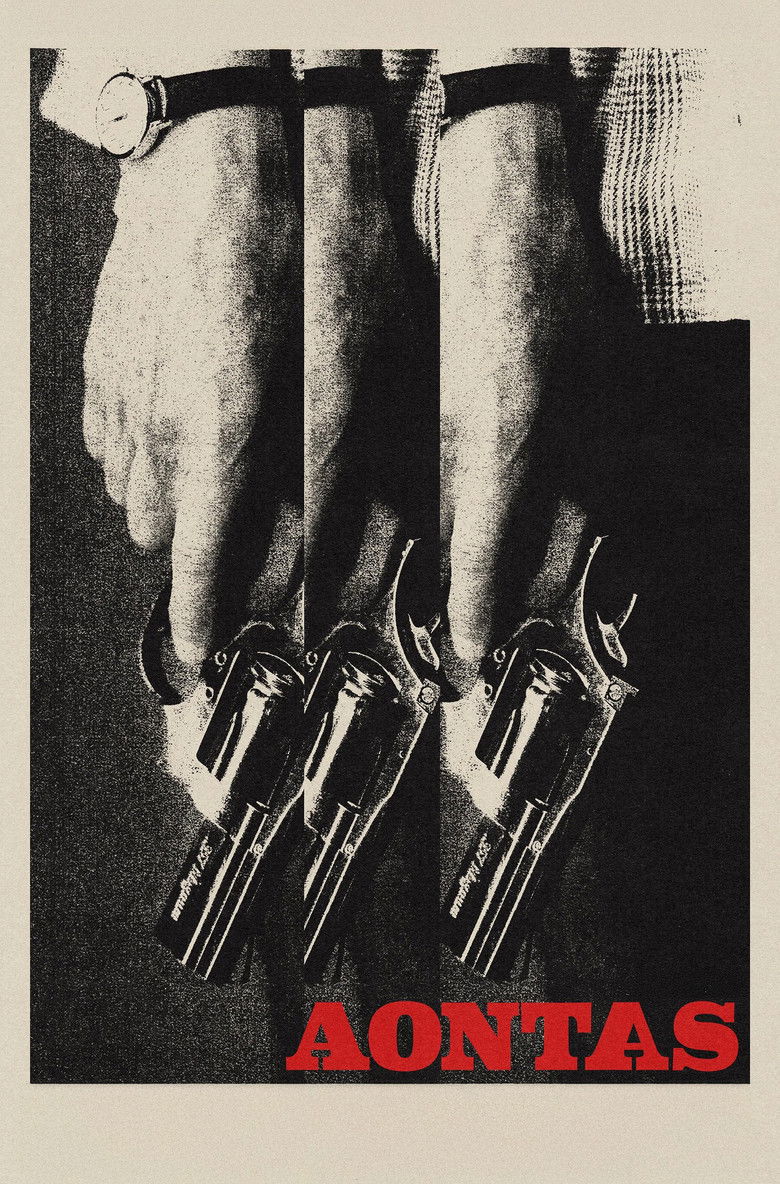
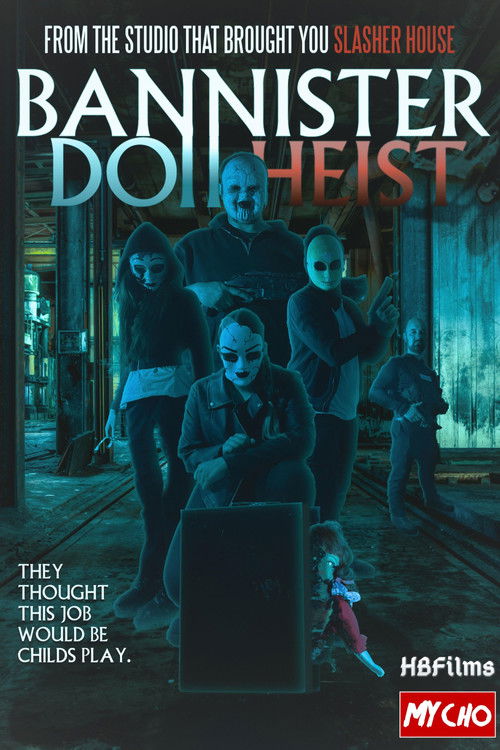
Crime becomes essential to horror the moment violence stops feeling random and starts feeling organized. A murder is terrible. A system that produces murders, hides them, profits from them, or turns them into routine is worse. That is where crime enters the CaSTV map. Not as a separate universe from horror, but as one of the ways horror becomes social. Police, gang structures, smugglers, corrupt businessmen, blackmailers, serial predators, disappearance networks, home invasion crews, and bureaucracies of impunity all offer horror something more enduring than a single scare. They offer a machine.
The overlap works because both genres depend on secrecy, pursuit, guilt, and exposure. Crime asks who did it, who benefited, who knows, who pays, and who gets away. Horror asks what kind of world would allow such things to happen, and what residue those acts leave on bodies and spaces. When the two collide, a story can move from investigation into dread without changing subject. A locked room becomes a trauma chamber. A gangster hierarchy becomes a cannibal social order. A kidnapping plot shades into nightmare because nobody inside the system recognizes moral boundaries anymore.
Crime also gives horror human antagonists whose monstrosity does not require the supernatural. That matters. Some of the nastiest films in the database do not need ghosts, demons, or creatures because organized human appetite is already sufficient. A Serial Killer story may lean procedural or lurid depending on how it is told, but crime logic is still doing the structural work. So is the logic behind hostage thrillers, revenge films, trafficking plots, and corrupt-city nightmares. Horror enters through atmosphere, cruelty, ritual repetition, and the sense that violence is not an exception but a local language.
National cinemas use this overlap differently. In the United States, crime-horror often channels urban paranoia, institutional failure, and the polluted line between law and predation. In Italy, crime can intersect with Giallo, where investigation, spectacle, and elaborate murder staging produce a distinct mix of mystery and dread. In Hong Kong, the crime tradition's obsession with loyalty, underworld procedure, and moral corrosion can push adjacent films toward near-horror intensity even without overt monsters. In France, crime and horror frequently meet in bleak moral atmospheres where transgression feels inseparable from class, desire, or state indifference.
The category is especially useful because it helps explain why Thriller and horror so often bleed together. Crime stories generate suspense through information gaps and imminent danger. Horror intensifies those conditions by making the danger feel contaminating, excessive, or morally bottomless. The same scene can satisfy both genres: a suspect enters a basement, evidence suggests something worse than murder, and suddenly the investigation is not about solving a puzzle but surviving proximity to a worldview. Crime provides the scaffold. Horror rots it from within.
There is also a temporal difference that makes crime valuable to horror. A monster attack is immediate. Criminal violence often has afterlives. There are records, rumors, missing persons, hidden rooms, compromised witnesses, and communities forced to normalize the intolerable. That allows horror to work at the level of duration. The fear is not just that something bad will happen. It is that something bad has been happening for a long time, under systems designed to misname it. This is why crime-horror so often feels grimier than more fantastical subgenres. The evil has paperwork.
Revenge stories sit near the center of this overlap. Some belong more clearly to Thriller or Action, but many move toward horror because vengeance changes the body and the moral weather around it. Violence becomes cyclical. Identity narrows. Social order collapses into ritual punishment. Crime launches the story, but horror arrives when retaliation stops feeling corrective and starts feeling transformative. The same is true for conspiracy narratives. Once the protagonists realize the criminal structure is larger than expected, dread expands from personal danger to systemic enclosure.
This is also a space where realism and excess can coexist productively. Crime cinema often likes detail: methods, ranks, cover stories, transport routes, legal loopholes, surveillance gaps. Horror likes pressure and rupture. Put them together and the details become a delivery mechanism for fear. A procedural explanation of how bodies disappear can be more frightening than an apparition because it reveals repetition. The impossible is scary. The routine can be worse. Crime-horror understands this with particular viciousness.
For viewers using CaSTV, the crime tag can signal several useful entry points. It may mean underworld atmosphere feeding into dread. It may mean murderous psychology framed through investigation. It may mean social violence stripped of supernatural excuses. It may also mean films orbiting Giallo, Serial Killer, Thriller, Action, or Mystery categories where horror rises through tone and consequence rather than monster design. The label does not flatten those differences. It helps organize them.
Crime matters to horror because it reminds the genre that evil does not always erupt. Sometimes it files reports, owns businesses, launders money, dates your neighbor, or sits in an office waiting for a witness to get tired. Horror often turns to the supernatural to make evil legible. Crime makes the opposite move. It keeps evil human and still shows how total it can become. On CaSTV, that makes crime one of the most useful adjacent genres in the entire database: a route into terror through motive, structure, and the unbearable realization that the nightmare already has a payroll.