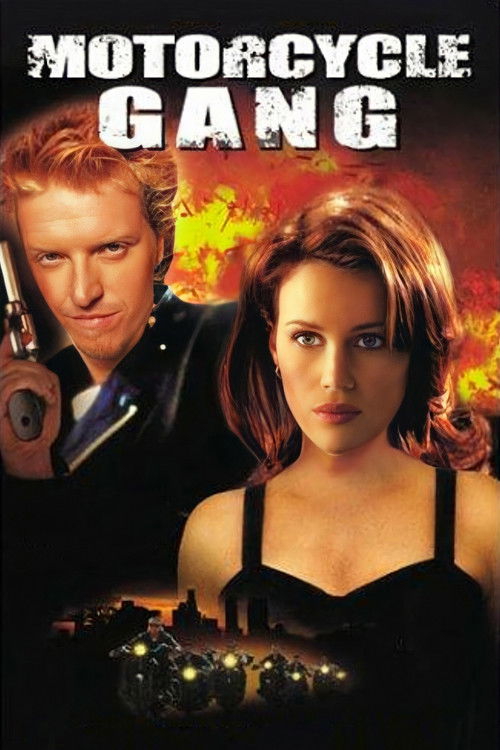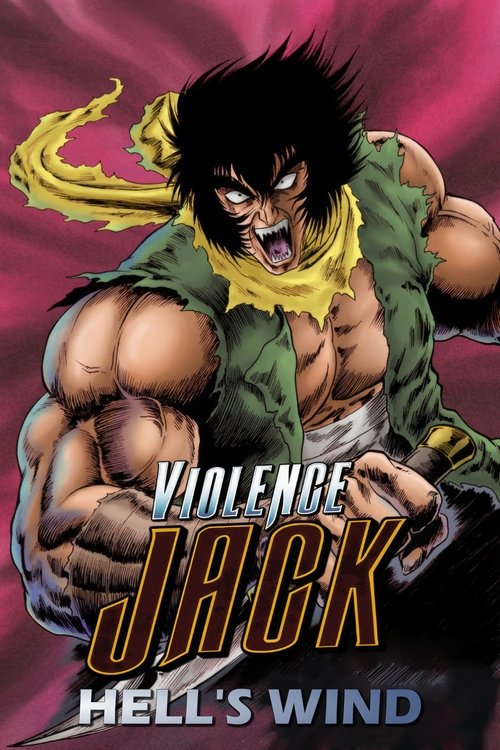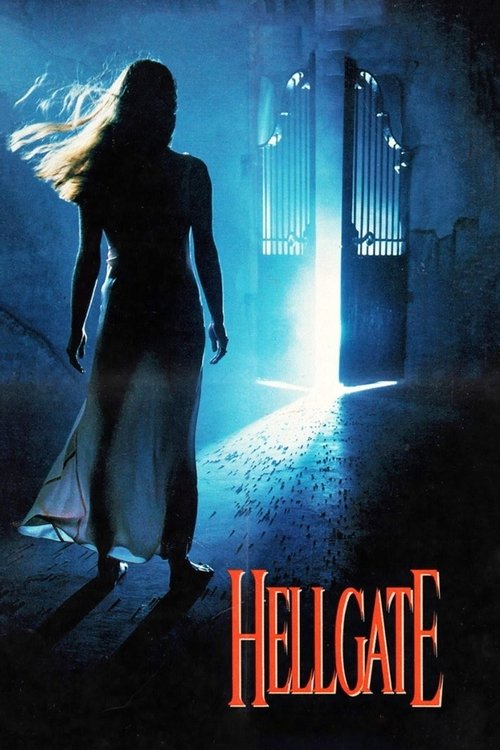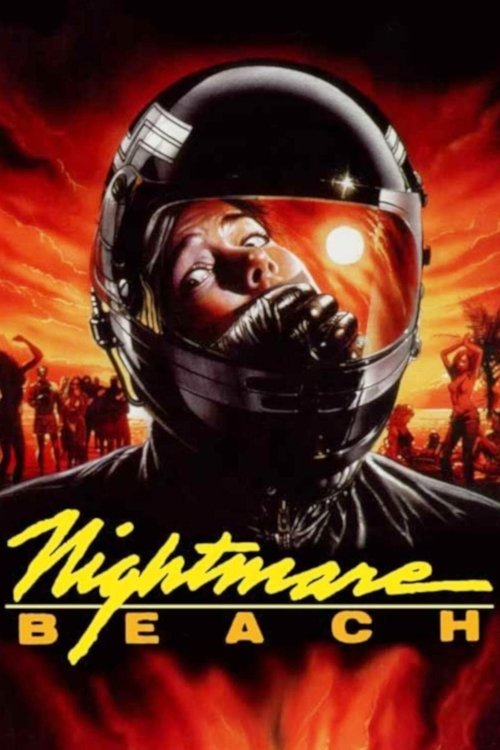
Outlaw Biker
About Outlaw Biker Films
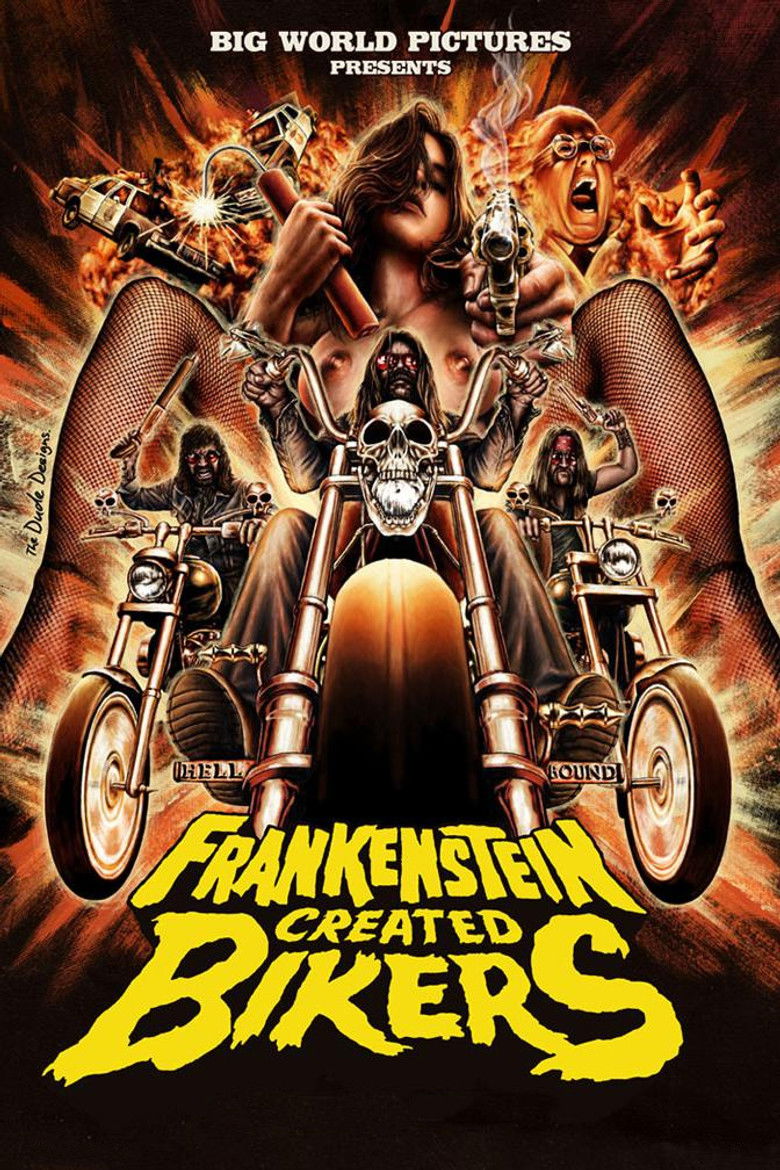
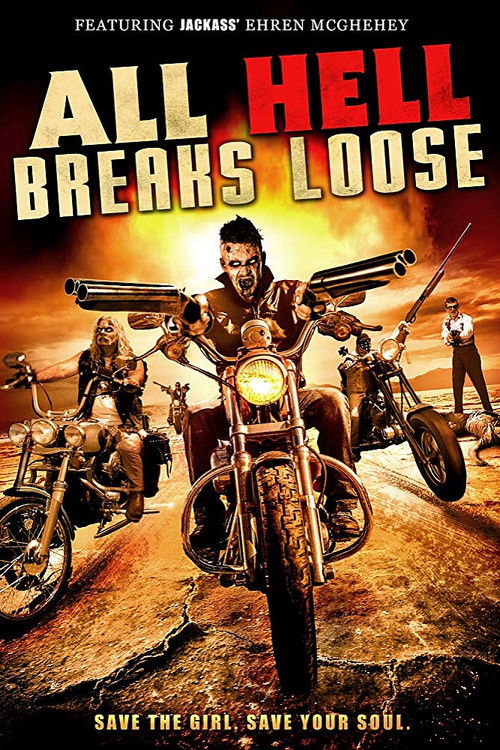
Outlaw biker cinema matters to horror because it turns mobility into menace. The motorcycle gang arrives not as a single villain but as a moving subculture: noise, leather, insignia, engines, pack logic, territorial arrogance, and the permanent suggestion that violence can materialize at the edge of a highway, small town, or desert road with almost no warning. On CaSTV, the outlaw-biker tag identifies films where this subcultural energy becomes central, whether through Action, Crime, Exploitation, or outright horror escalation.
The key emotional ingredient is invasion. Biker films often stage the arrival of a mobile threat into spaces that think of themselves as settled: diners, motels, rural communities, gas stations, roadside bars, suburban edges, desert routes. Horror already loves the collapse of safe domestic or civic space. The outlaw-biker cycle intensifies that collapse by making the invaders socially legible. They are not supernatural, but they are coded as a tribe outside ordinary law, carrying their own rules and appetites into communities that cannot fully absorb them.
This gives the category strong ties to Crime, Thriller, Exploitation, and sometimes Survival Horror. Crime provides smuggling, extortion, assault, and underworld networks. Thriller supplies pursuit and siege. Exploitation supplies sex, violence, and marketable menace. Survival horror enters when the gang's arrival converts open terrain into a trap. A desert road or lonely highway becomes every bit as oppressive as a haunted hallway once the wrong convoy has taken interest.
The subgenre is also historically revealing. In the United States, biker cinema often reflects anxieties about youth rebellion, postwar masculinity, social fragmentation, and the romanticization of lawless freedom. Horror-adjacent entries expose the darker underside of that freedom: misogyny, predation, collective sadism, and the thrill of group violence for its own sake. In Australia, biker or road-gang variations often become harsher because the landscape itself adds exposure and scarcity. In parts of Europe, biker exploitation can connect more directly to Eurocult excess, fetish styling, or urban-rural contamination.
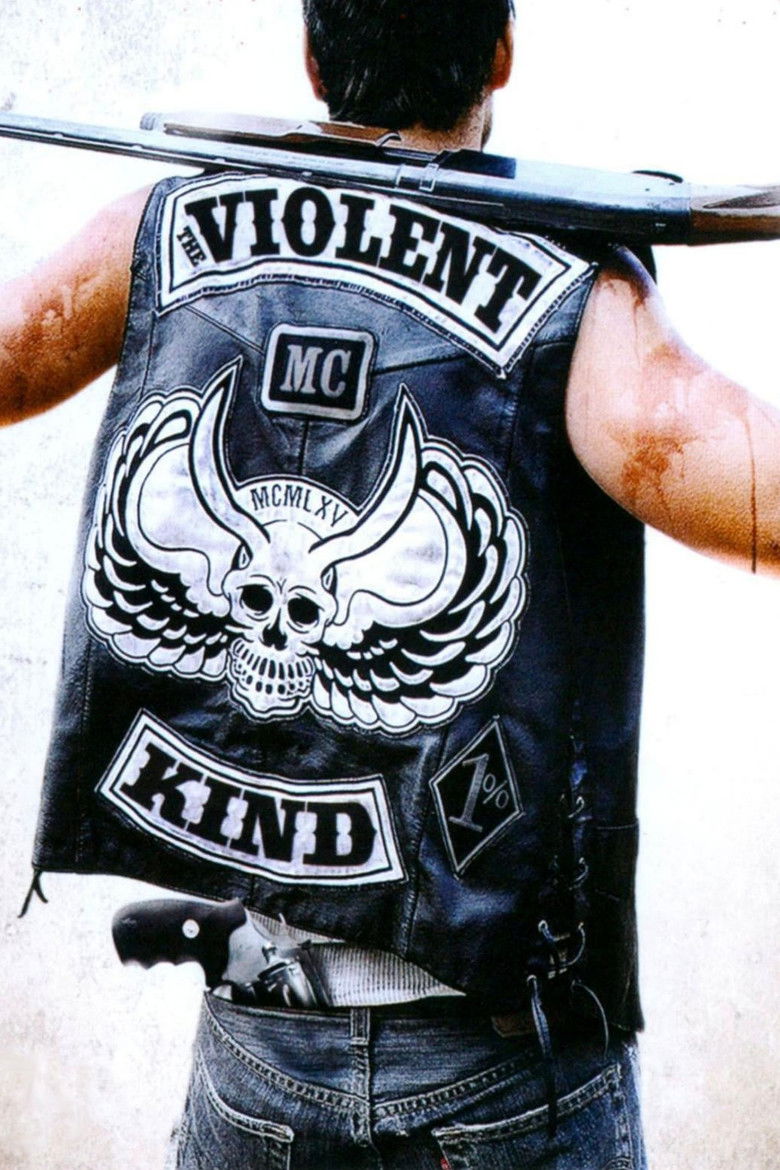
The body is crucial because biker culture on screen is intensely performative. Costumes, scars, patches, chrome, posture, and engine ritual all create an image of hypermasculine autonomy. Horror often intervenes by showing how quickly that image mutates into vulnerability, cruelty, or grotesque ritual. The gang body becomes a pack body. Individuality dissolves into role, hierarchy, and initiation. This is one reason outlaw-biker cinema sometimes edges toward Folk Horror in purely structural terms. The gang behaves like a violent micro-community with rites, taboos, and sacrificial logic.
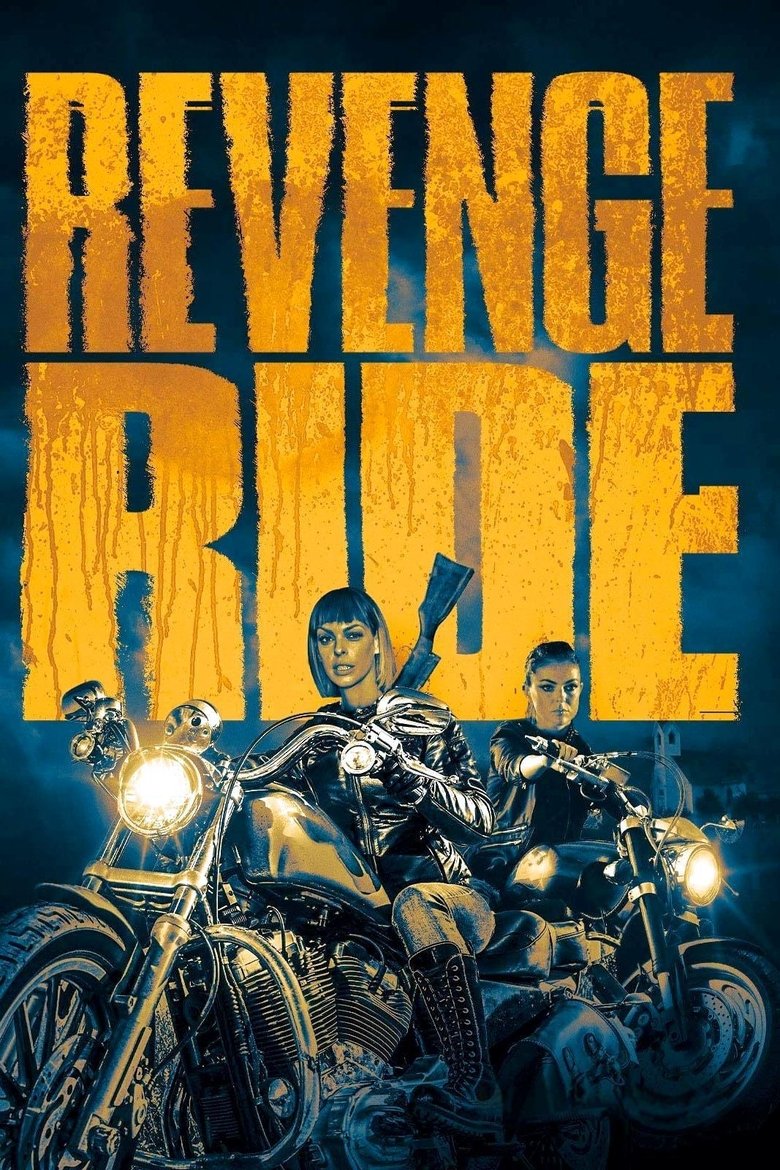
Road space matters as much as costume. Highways promise freedom in mainstream mythology, but horror is good at asking who actually controls the road. In outlaw-biker films, movement itself can become coercive. The convoy surrounds. The chase lengthens. The town is too far. The next gas stop is not neutral ground. Engines replace the ghostly knock at the door with a louder, more modern herald of trouble. By the time the bikes arrive in frame, the sound has already done part of the terror work.
This is also a category shaped heavily by exploitation marketing. Biker films were often sold on attitude first: danger, sex, speed, anti-authority heat. When horror enters, that sales logic remains visible. The outlaw biker becomes a fetish object of fear, a symbol that can carry gang violence, rural panic, class resentment, and predatory masculinity all at once. Some films simply exploit that image. Better ones understand how unstable it is, and how much social fantasy it compresses.
For CaSTV viewers, outlaw-biker should signal more than generic road action. It points toward films where biker gangs or biker subculture are the key pressure system, often in conversation with Action, Crime, Exploitation, Thriller, and Survival Horror. The violence may remain grounded or tip toward the grotesque, but the social engine is recognizable.
Outlaw-biker cinema remains useful to horror because it understands a modern variation on the marauder myth. The threat does not come from a castle or a crypt. It comes roaring down the highway, dressed in symbols of freedom and carrying its own appetite for domination. Horror does not need to invent much once those engines start up. It only needs to ask what kind of world hears them coming and still has nowhere to go.