France
French horror tends to hit hardest when it stops worrying about dignity. The national tradition has always had a fantastique line, but it becomes especially potent when elegance, theory, and bodily violation stop pretending to belong to different rooms. France can do lyric dread, yes. It can also cut straight through the nerves.
Les Yeux sans visage remains an early cornerstone, cold and surgical in ways the genre never forgot. Trouble Every Day turns desire into bodily ruin under Claire Denis. High Tension and Martyrs push the New French Extremity toward blunt-force international relevance, while Inside proves maternity, siege, and sadism can coexist in one of the decade's nastiest chambers.
The decisive names are Pascal Laugier, Alexandre Aja, and Marina de Van, though the line runs backward to Franju and sideways into Belgian and Maghrebi-francophone adjacency. What makes French horror distinctive is its willingness to let seriousness and exploitation contaminate each other. It does not ask whether a film can be intellectual and vicious. It assumes the best ones will be both.
Country pages also help resist the usual funnel of horror history, where a handful of dominant industries absorb all discussion and every other cinema becomes a footnote. Reading a smaller or less exported corpus on its own terms can correct that imbalance. It can show how local censorship shaped what could be shown, how funding models pushed horror toward television, prestige, or underground practice, and how regional markets rewarded some fear-images over others. That perspective is especially valuable when the database is still growing, because it keeps the page open to future discoveries rather than freezing it around a small imported canon.
There is also a simple viewing benefit. If you arrive through a favorite subgenre, a country page can redirect your attention toward contexts you might otherwise miss. A viewer interested in supernatural narratives may discover that the films tied to a given country are less about ritual than about social breakdown; someone drawn to slashers may find almost none, yet uncover a stronger tradition of psychological horror or political nightmare. That friction is productive. It turns national browsing into criticism, not just filing, and it is one of the reasons these pages are central to how CaSTV frames horror as a living, uneven world system.
The result is a better kind of browsing: one that treats national context as an interpretive tool, not a decorative flag attached after the fact.
Watch a short film



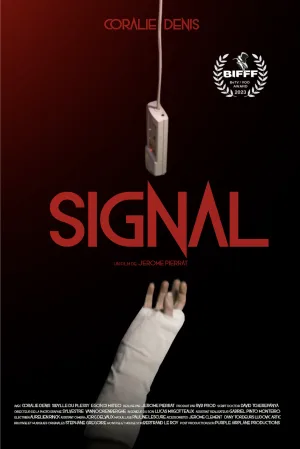



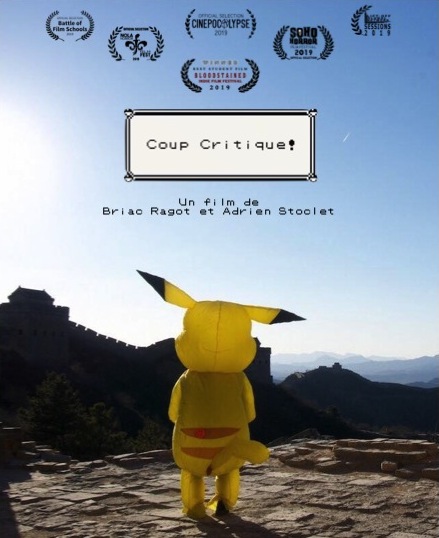
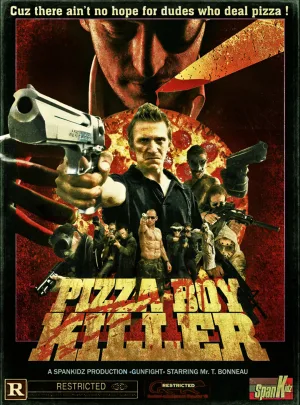
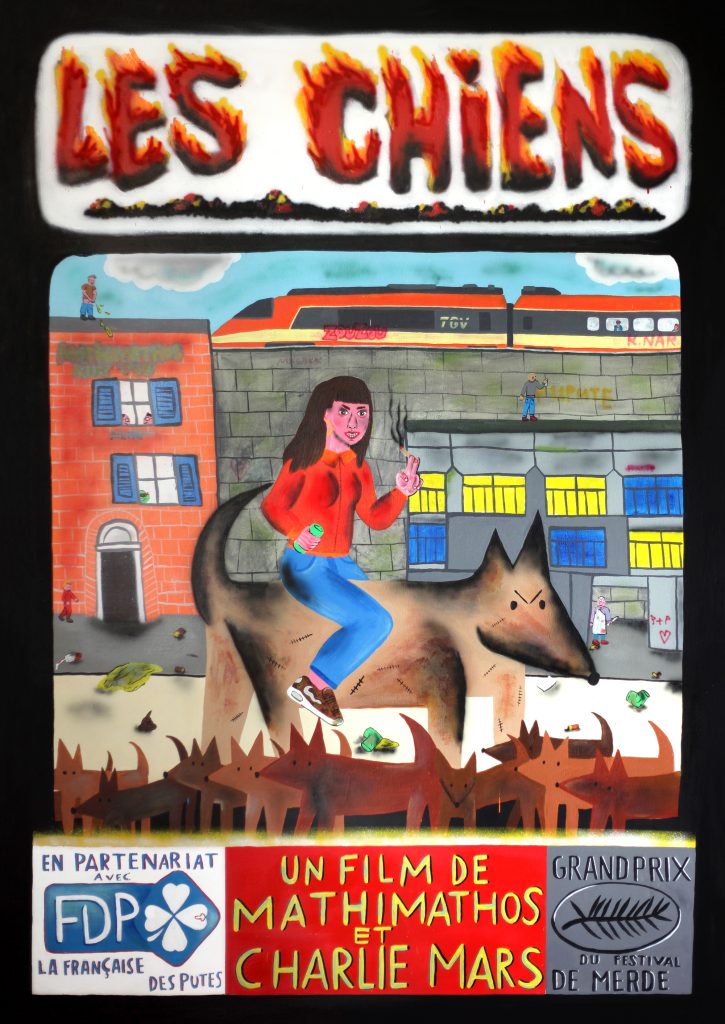




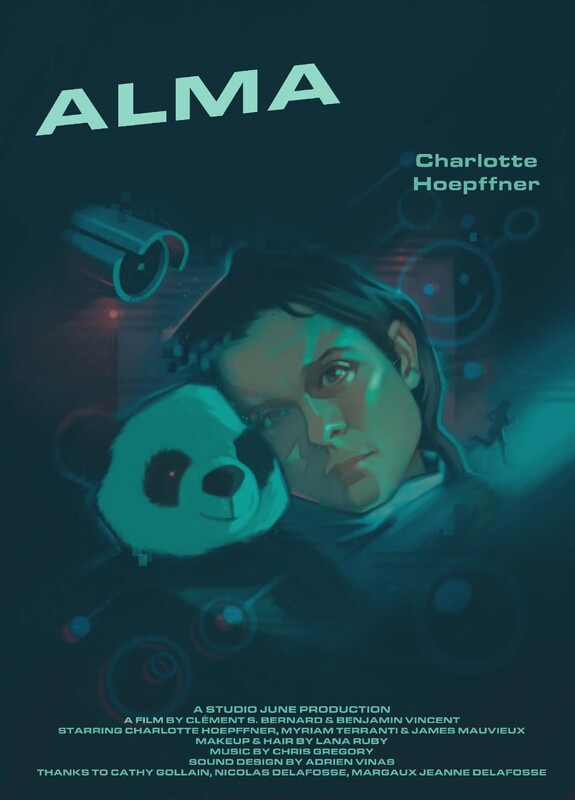




Directors
- Ahmet DERE
- Alan Bidard
- Alban Gily
- Alban Gily, Thierry Bonneau
- Alexandra Mignien
- Alexandre Pierrin
- Alexis Robert
- Alice Velle
- Alphonse Ferrari
- Anatole Deniaud
- Anne Zinn-Justin
- Ariane Boukerche
- Arthur Bonneau
- Arthur Delaire
- Arthur Môlard
- Aurélien Digard
- Axel Zeltser
- Bertrand Normand
- Breant Hugo
- Briac Ragot
- Bruno Collet
- Camille Achour, François Glevarec
- Carla Massié
- Cédric Chambin
- Charles
- Charles Lévêque
- Charles Menut
- Charlie Mars
- Charlotte Cayeux
- CHRISTOPHE BEUDET
- Christophe DEROO
- Clémence ANDRE
- Clément Bernard
- Clémentine Jaegler
- Constance Delorme
- Constance Guirlet
- Cyril PINERO
- Cyrill d'Agata
- Cyrille Daclinat
- David Cholewa
- Edouard de Luze
- Elisa Hazbrouck
- Elisa Hazebrouck
- Erik Semashkin
- Erwan Alépée
- Erwan Dean
- Fabien Montagner
- Fabio Soares
- Fabrice HOURLIER
- Fabrice Sese
Also explore
Festivals
- 10eme Festival international du film fantastique de Menton
- 2026 WSXA Paris // International Film Festival
- Cannes Film Festival Cannes
- Cannes Indie International Film Festival || Experimental, Feature & Short
- CANNES INDIE SHORTS AWARDS Cannes
- Cannes Short Film Festival
- Cannes Women Shorts Festival Cannes
- Cannes World Film Festival
- Festival Court Métrange
- Festival SOUS-SOL INTERDIT (Paris)
- Giallo Film Festival
- GOSH! Horror Show Paris
- Hallucinea Film Festival Paris
- Marseille International Film Festival by CINEVERSE
- Mutoscope Lyon
- Paris Play Film Festival PARIS
- Paris Strange Film Festival
- PIFFF (Paris International Fantastic Film Festival)
- RAKSA Paris Film Festival (fiction, dance films, experimental and documentary)
- RED MOVIE AWARDS
- Sadique master festival Paris
- Strasbourg European Fantastic Film Festival (Festival européen du film fantastique de Strasbourg)
- The Fantasy Film Festival
- Ticket To Death
- Très Court International Film Festival