
Nazisploitation
About Nazisploitation Films
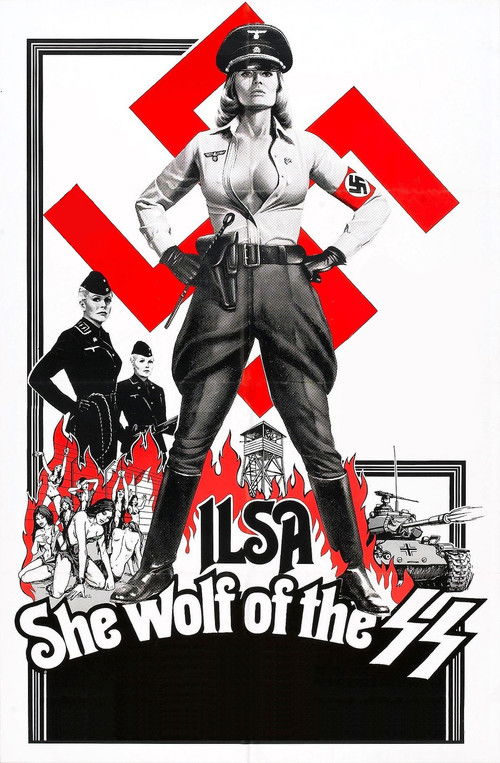
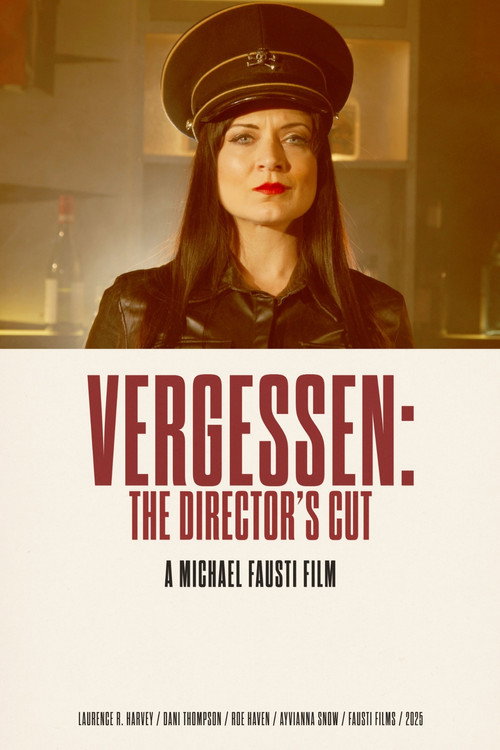
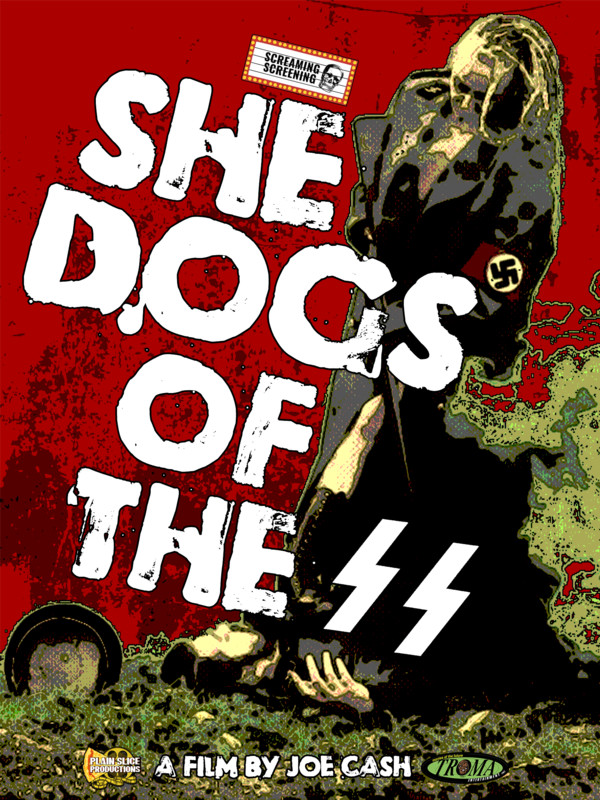
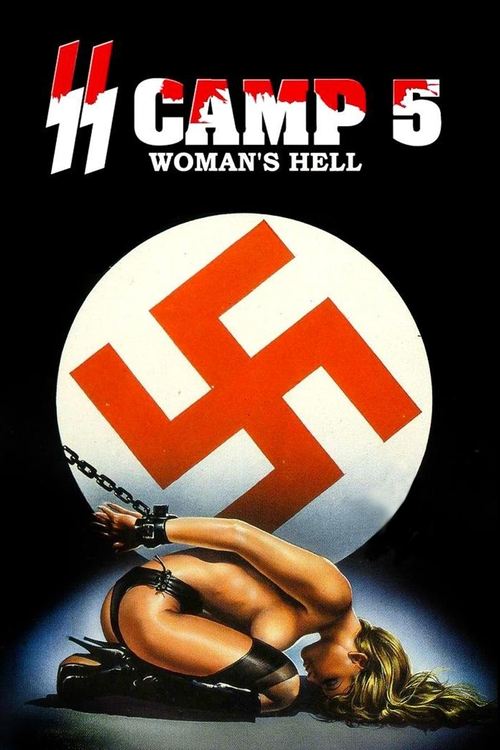
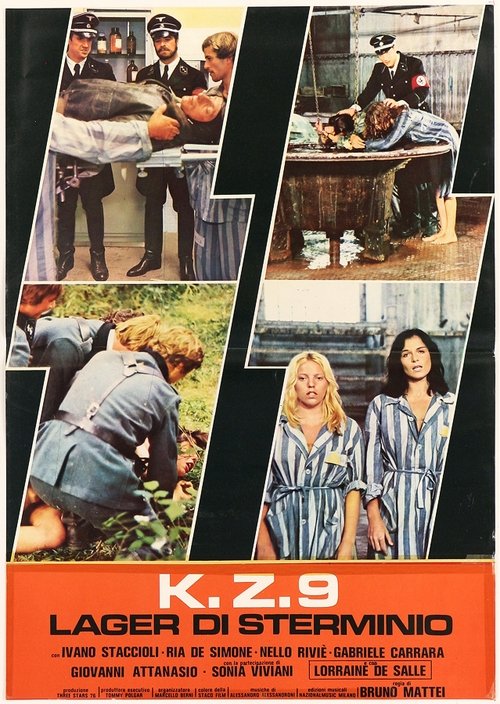
Nazisploitation is one of exploitation cinema's most toxic subcategories, which is precisely why it needs to be named clearly rather than lazily absorbed into a general swamp of transgression. These films package fascist imagery, concentration-camp fantasy, military sadism, sexual coercion, medical atrocity, and ritualized humiliation as lurid spectacle. On CaSTV, the tag matters because it identifies a specific historical and commercial logic: horror and exploitation feeding on the iconography of absolute evil while often revealing more about spectatorship and market appetite than about history itself.
The category sits at a vicious intersection of Exploitation, Sexploitation, Women in Prison, War, and Horror. The exploitation engine supplies shameless marketing. Sexploitation supplies the voyeuristic frame. Women-in-prison structures often provide enclosure, punishment, and institutional humiliation. War contributes uniforms, camps, command chains, and the rhetoric of obedience. Horror amplifies all of it with bodily threat, grotesque cruelty, and the sense that power here has detached completely from morality.
It is crucial to be precise about what the category does and does not do. Some films use fascist settings to confront atrocity, even if crudely. Many more use fascist symbols because those symbols offer instant shorthand for domination, perversion, and taboo excess. The difference matters. Not every film in the orbit is equally cynical, but the category as a whole is defined by exploitation logic rather than by serious historical responsibility. Its central question is often not "How did fascism work?" but "How much depravity can be sold once fascism is taken as visual permission?"
This makes the subgenre deeply compromised, but also revealing. Nazisploitation shows how genre industries turn historical trauma into marketable provocation. It exposes the speed with which uniforms, camps, whips, laboratories, and pseudo-medical torture can be stripped of context and reassembled as lurid fantasy material. That process is ugly, but it is not trivial. It tells us a great deal about how horror and exploitation have often relied on the recycling of real violence into coded excitement.
The category is strongly associated with Italy and European exploitation more broadly, though its iconography circulated widely beyond one national tradition. Italian cult cinema in particular developed a reputation for pushing taboo combinations of fascist aesthetics, sexual violence, and grotesque punishment into aggressively commercial territory. But viewers should also understand Nazisploitation as part of a larger transnational visual economy in which the symbols of fascism became detached from the specifics of history and redeployed as shorthand for the ultimate forbidden zone.
The body is central here in the worst ways. Uniform power becomes an excuse for staging degradation, mutilation, exposure, starvation, experimentation, and coerced erotic spectacle. This is where the form touches Gore and sometimes Body Horror, though usually without the imaginative or philosophical interest of those categories at their best. The body here is often less a site of transformation than a site of domination. That is part of why the tag needs clarity. It marks films where cruelty itself is the commodity.
There is also a strong relationship between Nazisploitation and setting. Camps, barracks, castles, clinics, trains, bunkers, and occupied territories become theatrical enclosures where sadistic routines can be repeated with industrial rhythm. The structure matters because it turns power into choreography. Orders are given. Punishments are public. The environment is designed to remove escape and flatten individuality. Horror often uses enclosure to increase dread. Nazisploitation uses it to eroticize total control, which is one reason the category remains so ethically fraught.
Some viewers approach these films for cult extremity, some for historical curiosity about exploitation, and some out of sheer transgressive appetite. CaSTV's job is not to purify the material but to contextualize it. The tag should help viewers understand what industrial and aesthetic current they are entering. If a film uses fascist imagery as one ingredient among many, that may be a different discussion. If the whole selling point is fascist cruelty as lurid spectacle, Nazisploitation is the correct name for the mechanism at work.
On CaSTV, the tag belongs in active dialogue with Exploitation, Sexploitation, Women in Prison, War, and Horror. It identifies a narrow but influential cycle where fascist iconography is mined for taboo, sadism, and visual charge. That cycle is ugly, but historically legible.
Nazisploitation remains important to map because it reveals exploitation cinema at one of its least defensible and most diagnostically clear points. It shows how quickly real atrocity can be converted into consumable imagery, how willingly horror markets have traded on that conversion, and how much critical work remains necessary whenever cinema starts pretending that the symbols of total violence are just another flavor of sensation.