Noir
About Noir Films
Noir belongs near horror because both forms distrust innocence, daylight, and the fantasy that people can move through a corrupt world without being marked by it. Noir is often described through style first - shadows, cigarettes, alleys, rain, blinds, city nights, hard faces, harder dialogue - but its deeper power is moral atmosphere. People are trapped in systems of desire, money, violence, and self-deception that feel larger than any single case or crime. Horror enters easily because that atmosphere is already halfway to nightmare.
The overlap works best when noir's fatalism stops being merely cynical and starts feeling poisoned. A detective follows clues into a city that seems to produce guilt faster than it can solve it. A drifter, heiress, grifter, corrupt cop, or compromised witness discovers that every route out runs through another compromise. In strict noir, that may be enough. In horror-adjacent noir, the world itself begins to look diseased. The city watches back. The body carries more damage than the character can admit. The femme fatale becomes spectral, vampiric, or psychologically destabilizing. Desire becomes an engine of doom with supernatural overtones.
This is why noir sits productively beside Crime, Thriller, Psychological Horror, and Ghost on CaSTV. Crime gives it the infrastructure of corruption. Thriller gives it momentum. Psychological horror turns fatalism inward until the self becomes unreliable evidence. Ghost stories and haunted-city films inherit noir's sense that the past stains every surface it touches. Even without literal specters, noir often feels haunted by previous violence and by futures already mortgaged away.
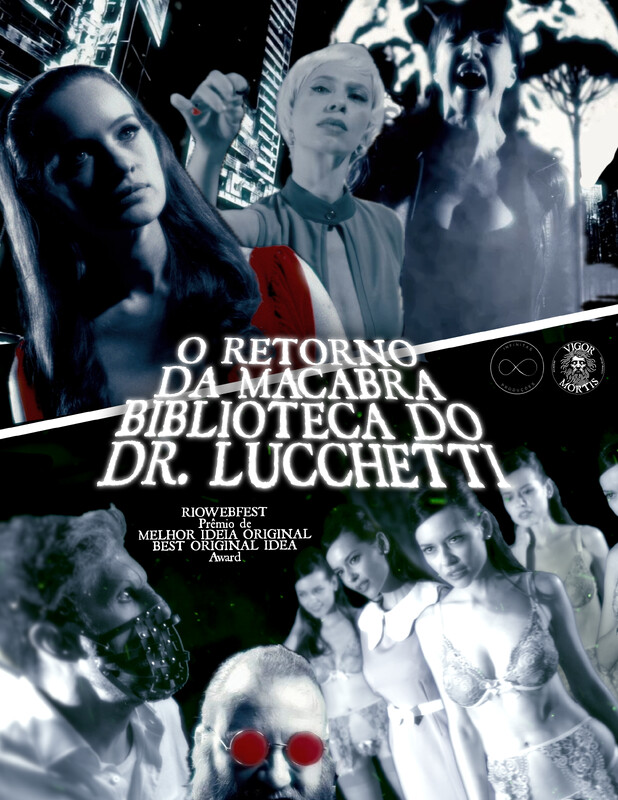
The visual side matters too, especially where black-and-white or high-contrast lighting is involved. Noir knows how to make a doorway accusatory, a face divided, a bedroom predatory, a car ride terminal. Horror benefits from that knowledge. Shadows can imply conspiracy or apparition with equal ease. Smoke can be mood or concealment. A reflected face can signal guilt or doubling. Noir visual grammar is so compatible with dread because it treats space as morally unstable from the start.
National traditions complicate the picture. In the United States, noir grew from urban crime, wartime disillusionment, class aspiration, and the hard-boiled collapse of trust, all of which feed beautifully into horror. In France, the relationship to noir often shifts through existential cool, melancholy, or a different sensuality of doom. In Japan, noir tendencies can merge with postwar anxiety, urban alienation, and psychological drift in ways that make adjacent horror feel especially severe. In Hong Kong, crime fatalism and underworld honor codes often create a noir pressure that can turn supernatural or body-based escalation intensely unstable.
Noir also has a special relationship to gender and looking. The form is structured by desire that is both irresistible and damaging. People stare at one another too long. They narrate themselves into traps. They mistake projection for knowledge. Horror takes those tendencies and sharpens them. The seductive figure may become monstrous. The vulnerable figure may reveal unexpected predation. The narrator may be less reliable than the darkness around him. Noir already knows attraction is dangerous. Horror asks how dangerous it can become once the world starts cooperating with the delusion.
The body in noir is usually not as extravagantly transformed as in Body Horror, but it is still under siege. Sleeplessness, addiction, wounds, bruises, sweat, exhaustion, and the physical wear of bad choices all accumulate visibly. This materiality is one reason noir can become horrific with very little extra push. A body already living too close to damage only needs one wrong revelation, one uncanny image, or one impossible return for the atmosphere to tip.
There is also a thematic kinship between noir and Occult or Supernatural horror that is sometimes underestimated. Both are interested in systems the protagonist cannot fully master. In noir, the system is often money, corruption, class, or desire. In occult horror, it may be ritual, fate, hereditary curse, or secret doctrine. The emotional structure can be strikingly similar. Someone pulls one thread and discovers that the web was waiting for them.
For CaSTV viewers, noir should signal more than trench coats and streetlamps. It marks films where corruption, fatalism, and visual darkness create a world already receptive to horror. It belongs beside Crime, Thriller, Psychological Horror, Ghost, and Black and White because all of those tags help explain how the mode works when fear enters the bloodstream of the city.
Noir remains essential to horror because it understands that doom often arrives disguised as sophistication. A beautiful room, a sharp suit, a clever lie, a late-night call, a city glittering after rain - all can look seductive right up until they start revealing the rot beneath them. Horror does not have to invade noir from outside. It only has to let noir's moral weather turn fully honest.