
Blaxploitation
About Blaxploitation Films
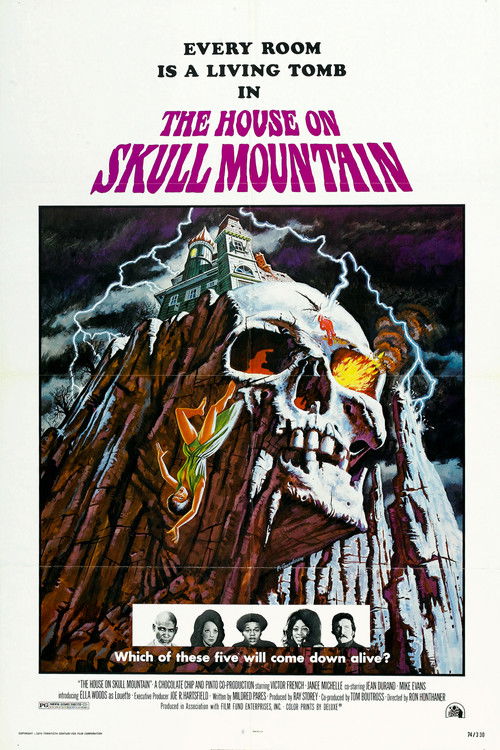
Blaxploitation is one of those categories people flatten too quickly. They reduce it to swagger, posters, catchphrases, soundtrack heat, or the market logic that tried to package Black urban cool for rapid consumption. All of that is part of the history, but it is not enough. On CaSTV, blaxploitation matters because it is a pressure point where style, commerce, race, pleasure, and genre opportunism collide. When horror enters that space, the results can be messy, electric, politically compromised, and culturally revealing all at once. The films do not have to be pure to be worth studying. In fact, impurity is part of the point.
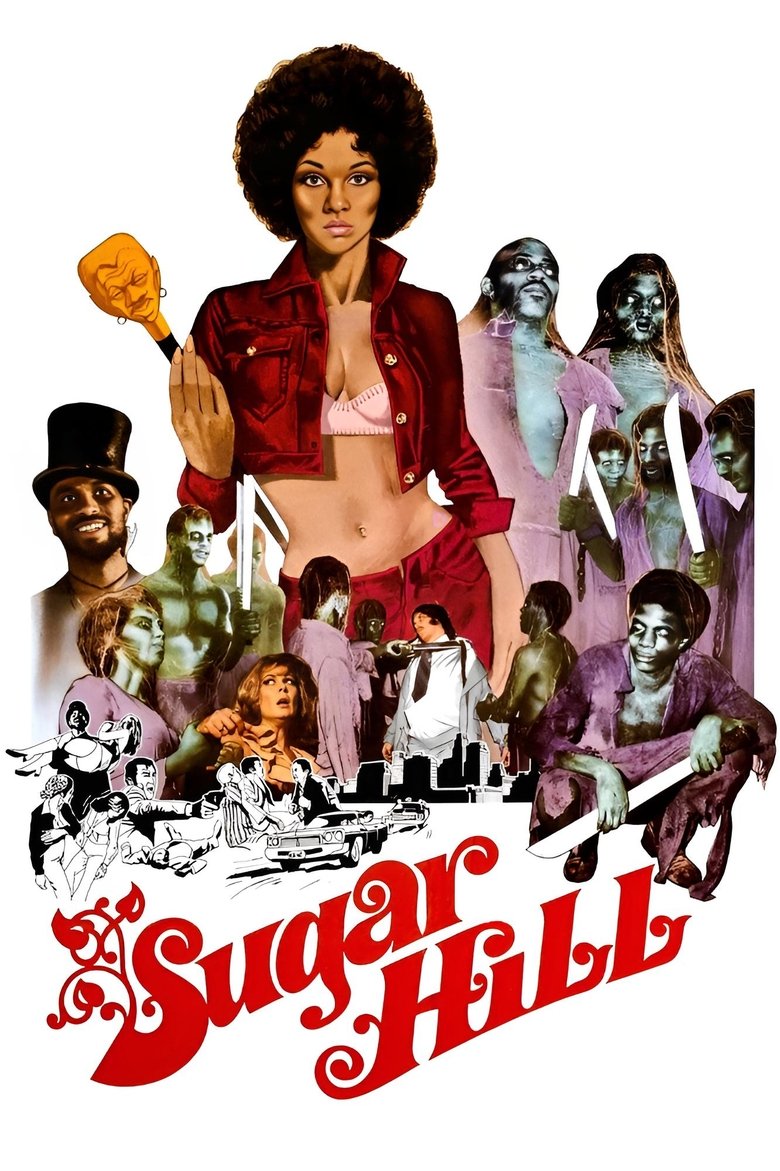
At its broadest, blaxploitation names a cycle of mostly 1970s films centered on Black protagonists, Black performance styles, Black musical identity, and Black urban presence, often produced under conditions that mixed opportunism with genuine openings for visibility and authorship. The cycle overlapped with Action, Crime, Comedy, and pulp melodrama, but horror found its way in quickly because exploitation cinema always chases strong sensations. Vampires, curses, possession, occult revenge, and monstrosity were never far away. Once genre producers realized that Black-centered horror could market both novelty and recognizable formula, the hybrid was inevitable.
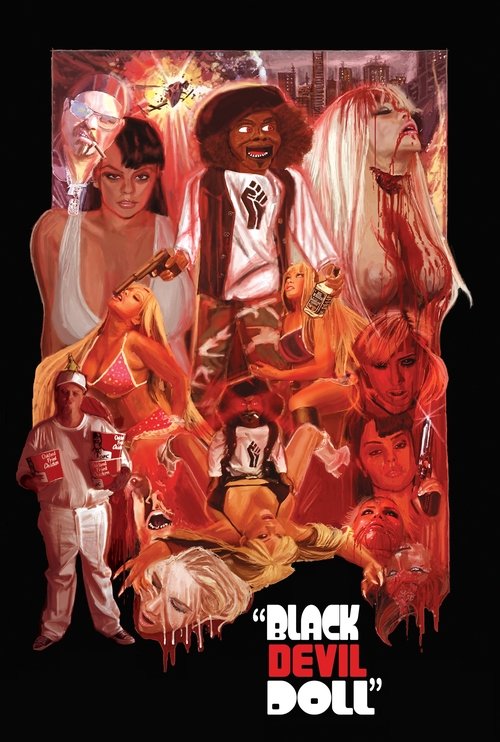
The crucial thing is that horror does not sit neutrally inside this tradition. It activates loaded imagery. Monsters can echo racist caricature or fight against them. Gothic spaces can become sites of inheritance and dispossession. The vampire can represent predation from above, appetite from within, or the seductive danger of power itself. A possession narrative can look very different when the body under attack already carries the social burden of being misread, surveilled, and mythologized. That is why blaxploitation horror is more than a side corridor off Vampire or Occult cinema. It is a contested symbolic field.
The best-known landmarks remain important because they clarify the range. Some films embrace camp and give the audience theatrical villains, flamboyant wardrobes, and blunt-force mythology. Others feel angrier, dirtier, or more mournful, recognizing that exploitation pleasure cannot erase structural dread. You can watch the form pivot between streetwise comedy and supernatural menace in a matter of scenes. That instability is not always a flaw. Sometimes it is the only honest way to stage a cultural object born from both expression and extraction.
The United States is the obvious center of the cycle, but its resonance extends further because blaxploitation intersects with broader conversations about exploitation cinema, transgression, and the politics of representation. Viewers moving through Exploitation, Gore, and Thriller will recognize familiar mechanics: sensational marketing, lurid hooks, quick production, and occasional eruptions of brilliance that outgrow the commercial wrapper. What changes here is who occupies the frame and who gets to command its energy. Even when the surrounding system is cynical, that shift matters.
Music is part of the category's force as well. Blaxploitation often carries rhythm differently from adjacent genre cycles. Soundtracks do not merely accompany action or horror. They shape attitude, pace, and social temperature. That tonal confidence can make the supernatural feel less remote. The horror does not descend onto a neutral world. It invades a world already coded through style, performance, sexuality, and urban movement. The result is often more charged than conventional studio horror because so much of the frame is already alive before the first explicitly monstrous gesture arrives.
There is also a recurring question of class and space. Blaxploitation horror frequently moves through apartments, nightclubs, streets, funeral homes, mansions, church structures, and neighborhood institutions that tell a social story before the plot fully kicks in. These are not interchangeable backdrops. Horror feeds on them because each carries a relation to aspiration, exclusion, or communal memory. A vampire stalking upscale interiors means one thing. A curse moving through a local block means another. A monster dressed in aristocratic excess inside a Black-centered narrative inevitably brings the history of access and theft into the room.
For modern viewers, the category can be a productive discomfort. Some films are politically sharp in places and painfully regressive in others. Some are empowering on the level of presence while remaining trapped in sexist or commercial formulas. Some are aesthetically thrilling but ideologically muddled. None of that makes the genre disposable. It makes it readable. Blaxploitation horror reveals how badly horror cinema wants social energy, and how often the industry will package that energy without fully understanding it. Sometimes filmmakers push back. Sometimes performers do. Sometimes the audience does the work by reading against the grain.
This is also where directors and stars become crucial. Charisma can turn a cheaply assembled premise into a cultural object with afterlife. A performer who understands irony, seduction, rage, and camp can make a monster movie feel politically inhabited even when the script is uneven. Likewise, a filmmaker sensitive to rhythm and space can give exploitation material enough texture that it stops being disposable. That does not redeem every problem. It does create the possibility of friction, and friction is often what keeps blaxploitation horror memorable.
On CaSTV, the blaxploitation tag should sit in active conversation with Exploitation, Action, Crime, Vampire, and Occult. It helps map a period when horror was absorbing Black cool, Black fear, and Black spectacle into a marketplace that was never innocent. The results are uneven by design, but they are rarely dull. At their best, these films are stylish confrontations with appetite, history, and image politics. At their worst, they still expose the industrial logic that made them. Either way, blaxploitation horror remains essential because it shows genre cinema negotiating visibility and exploitation in the same breath, and doing so with enough heat that the contradiction still burns.