Bruceploitation
About Bruceploitation Films
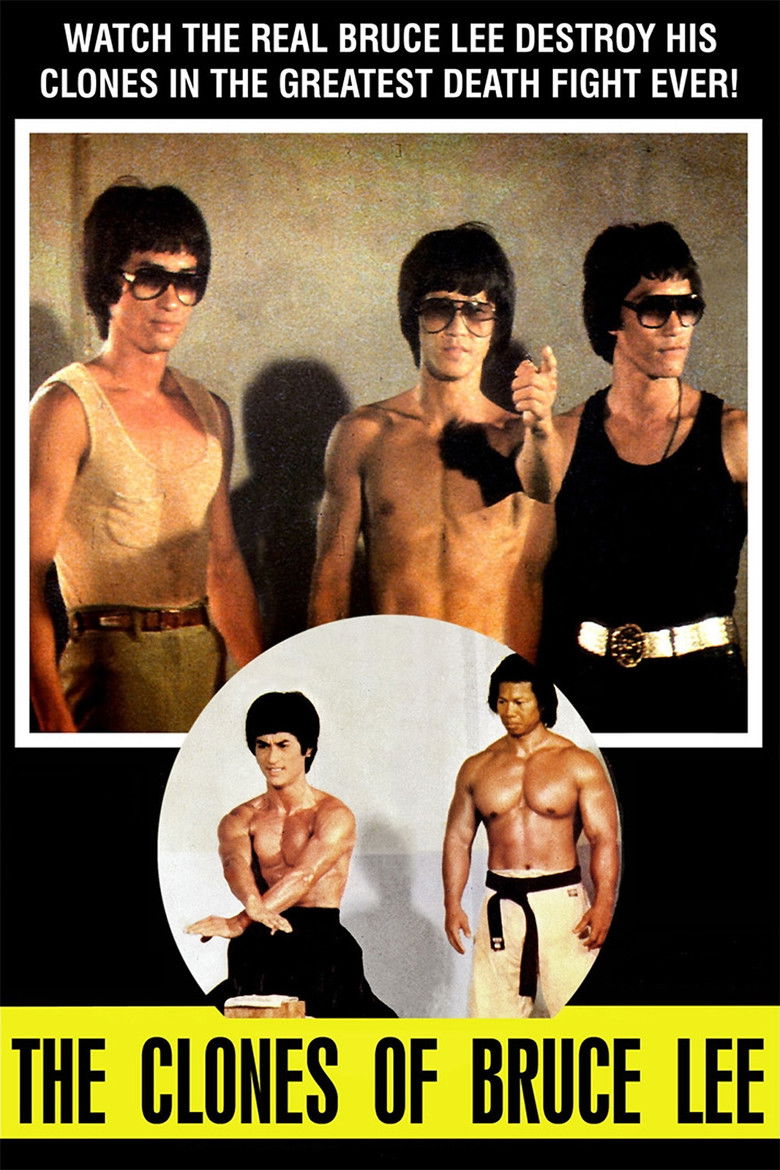
Bruceploitation is one of cinema's bluntest examples of an industry refusing to let death interrupt demand. After Bruce Lee became a global phenomenon and then died suddenly, producers moved with astonishing speed to fill the commercial vacuum. Look-alike stars, sound-alike names, duplicate poses, counterfeit mythology, recycled plot elements, and opportunistic marketing flooded screens. At a glance, the category can look like pure bad-faith salvage work, and often it is. But on CaSTV, bruceploitation deserves attention because exploitation cycles tell the truth about genre business in ugly, useful ways. They show what gets copied, what gets hollowed out, and what survives even after the center is gone.
The first thing to understand is that bruceploitation is not only about martial arts. It is about aura reproduction. The films are trying to recreate speed, cool, discipline, threat, and celebrity electricity through surface approximation. That effort is both absurd and revealing. It exposes how much of stardom producers believe can be reverse-engineered from posture and branding. It also reveals the limits of imitation. A look-alike body can repeat gestures, but charisma does not duplicate cleanly. That gap between copy and presence gives the category its strange fascination.
From a horror-adjacent perspective, bruceploitation matters because it belongs to the same exploitation ecosystem that produced wild hybrids, pulp crossovers, counterfeit sequels, and shameless genre borrowing. These films regularly touch the edges of Action, Crime, Comedy, Fantasy, and occasionally outright supernatural or grotesque material. In the broader world of cult cinema, imitation and monstrosity are close cousins. A fake star is already an uncanny object. He is familiar and wrong at the same time, a body carrying someone else's myth like a borrowed spirit.
That uncanny quality is why bruceploitation belongs in conversation with Exploitation. The cycle is not merely derivative. It is industrially predatory in a way exploitation cinema often is. A market smells grief and turns it into packaging. Posters promise resurrection, return, revenge, hidden final chapters, or secret lineage. The dead icon becomes a floating signifier to be attached to whatever a producer thinks can sell. Seen that way, bruceploitation is almost ghostly. It keeps summoning a figure who cannot actually arrive.
The category is closely associated with Hong Kong and with transnational martial arts distribution networks, but its reach extends beyond one territory because Bruce Lee's global impact was so immediate. Copycat logic spread through dubbing markets, export circuits, grindhouse bookings, and VHS culture. That circulation matters. Bruceploitation is one of those forms whose full meaning appears only when you imagine the audience conditions around it: a poster glimpsed from across the street, a title promising more Bruce than the world could possibly deliver, a theater or tape line where disappointment and curiosity travel together.
There is also a formal lesson here. Copycat cinema often simplifies what made the original difficult. Bruce Lee's screen presence fused precision, political charge, comic timing, bodily grace, and raw aggression. Imitators usually seize one or two visible traits and inflate them. The result can be clumsy, but it can also be strangely analytical. By failing to reproduce the whole, the films reveal which pieces producers thought mattered most: the scream, the torso, the kick, the glare, the nunchaku silhouette, the promise of invincibility. Bruceploitation accidentally anatomizes fandom by reducing it to saleable parts.
As a viewing experience, the category can oscillate between trash pleasure and melancholy. Some films are entertaining for their brazenness alone. Some have real stunt energy or regional texture despite the cynical packaging. Others are little more than commercial necromancy. Yet even the worst examples can be illuminating because they show how quickly cinema turns memorial into commodity. A star dies, and the machine produces doubles. In that sense bruceploitation is not far from certain horror traditions. It is obsessed with reanimation, duplication, possession, and the uneasy persistence of a body that is not truly there.
This is where adjacent horror thinking becomes useful. If you are already interested in doppelgangers, counterfeit sequels, cursed legacies, and industries that feed on remains, bruceploitation will not feel like a totally separate world. It is another branch of cinema's appetite for the almost-same. The double is marketable because audiences want proximity to the original, but the double is also unsettling because proximity exposes absence. That is why the cycle has endured as a cult category rather than disappearing into simple embarrassment. People sense there is something more going on than cheap imitation.
For viewers exploring CaSTV, bruceploitation works best as a bridge tag. It connects Action to Exploitation, Crime to Comedy, and martial arts fandom to a broader conversation about afterlife in popular culture. It also helps contextualize later waves of knockoff cinema, where studios chase recognizable brands through approximation, mutation, and opportunistic spinoff logic. Bruceploitation may look like a niche historical oddity, but its business model is still with us. The names change. The hunger does not.
What keeps the category alive is not quality control. It is historical weirdness. These films preserve the moment when one performer's impact was so large that whole sectors of commercial cinema preferred imitation to invention. That decision produced embarrassment, fascination, and a small archive of feverish counterfeits that still have the power to tell us how genre industries behave under pressure. Bruceploitation is exploitative by definition, but it is also diagnostic. It shows cinema trying to raise a ghost for profit, then discovering that ghosts always return altered.