
Italy
Italian horror does not move in one straight line. It begins in Gothic shadow, mutates into giallo elegance, then spills into splatter, possession, and exploitation with a kind of unembarrassed appetite few national cinemas can match. Style is never optional here. It is the bloodstream.
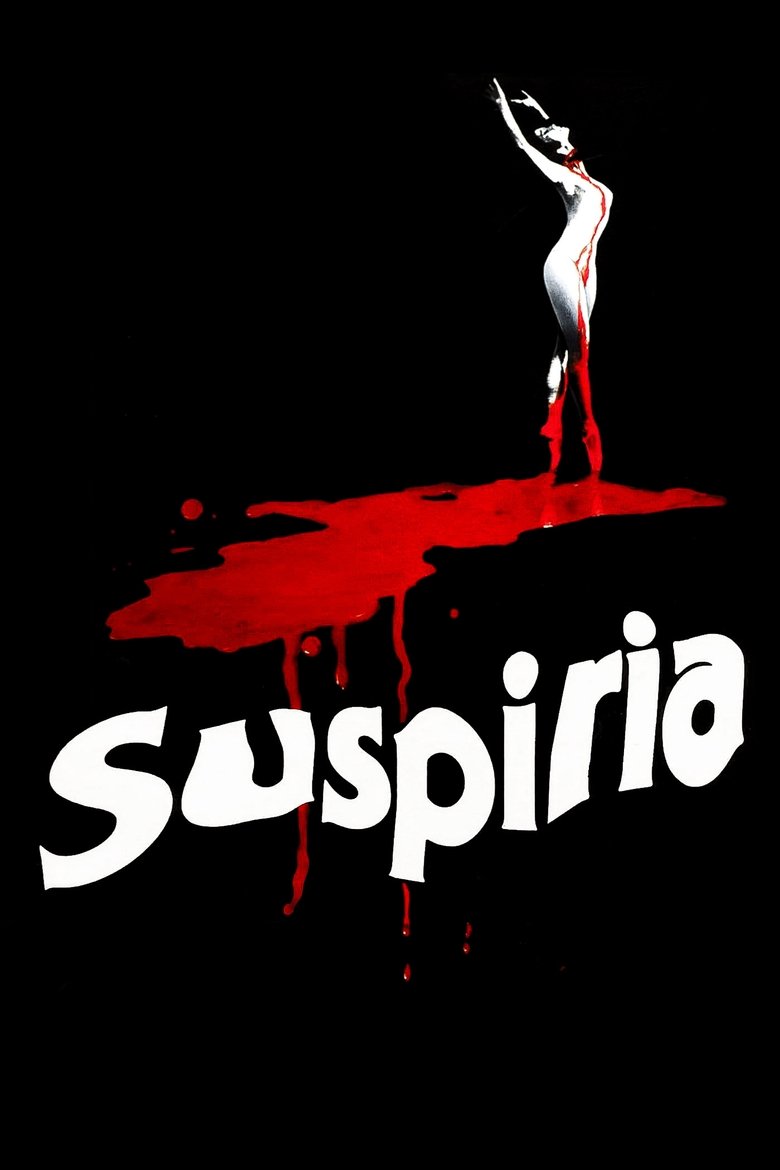
Black Sunday gives the tradition one of its foundational Gothic shocks, with Mario Bava turning fog, stone, and faces into visual spellwork. Deep Red and Suspiria show how Dario Argento made giallo and supernatural horror feel operatic rather than merely lurid. Zombie and The Beyond push the national tradition toward rot, gore, and dream-logic collapse under Lucio Fulci.
What makes Italian horror distinctive is not only its killer roster but its refusal of realism. Plot can wobble. Psychology can dissolve. Color, sound, and sensation stay in command. From Gothic castles to modern apartments, from black gloves to opened flesh, Italy built one of horror's deepest visual languages. The country's horror matters now because contemporary filmmakers everywhere still borrow its color, cruelty, and confidence that excess can be a serious aesthetic principle.
Country pages also help resist the usual funnel of horror history, where a handful of dominant industries absorb all discussion and every other cinema becomes a footnote. Reading a smaller or less exported corpus on its own terms can correct that imbalance. It can show how local censorship shaped what could be shown, how funding models pushed horror toward television, prestige, or underground practice, and how regional markets rewarded some fear-images over others. That perspective is especially valuable when the database is still growing, because it keeps the page open to future discoveries rather than freezing it around a small imported canon.
There is also a simple viewing benefit. If you arrive through a favorite subgenre, a country page can redirect your attention toward contexts you might otherwise miss. A viewer interested in supernatural narratives may discover that the films tied to a given country are less about ritual than about social breakdown; someone drawn to slashers may find almost none, yet uncover a stronger tradition of psychological horror or political nightmare. That friction is productive. It turns national browsing into criticism, not just filing, and it is one of the reasons these pages are central to how CaSTV frames horror as a living, uneven world system.
The result is a better kind of browsing: one that treats national context as an interpretive tool, not a decorative flag attached after the fact.












Directors
- Alessandro Amaducci
- Alessio Coltella
- Alessio di Lallo
- Andrea Gatopoulos
- Andrea Verardi
- Brandon Bonato
- Christian Bachini
- Class 3 A (2023-24)
- Claudio Chiaverotti
- Claudio Cirri
- Corrado Menegatti
- Daniele Brundo
- Daniele Gangemi
- Daniele Grassi
- Daniele Guarnera
- Daniele Nicolosi
- daniele violante
- Domiziano Cristopharo
- donato sansone
- Edoardo Maione
- Emma Fragorzi
- emmanuele paudice
- Enzo Piglionica
- Fabio Langella
- Fabrizio La Monica
- Farzaneh Ghaemizadeh
- Federica Cascone
- Francesco Foletto
- francesco siro brigiano
- Franklyn
- Gabriele Lenzi
- Giovanbattista Lobianco
- giuseppe bucci
- IACOPO GATTEI
- Leif Erikson
- Leo Canali
- Lorenzo Clemente
- Lorenzo Fassina
- Lorenzo Giovenga
- Luca Violante
- Lucilla Mininno
- luigi nappa
- Luis (class 1 C - 2021-22) Caratozzolo
- Marco Manzoni
- Matteo Burani
- Mattia Betti
- Maurizio Loi
- max oliva
- Michael Carlo Allen
- Michael Fantauzzi
Also explore
Festivals
- Absurd Film Festival - Monthly awards
- Apulia Horror International Film Festival - La biennale
- Apulia Web Fest
- Belluno Film Festival
- Bloody Festival Roma
- Carcassa Film Festival Milano
- Cinema Carnival Pisa
- Cinema SECONDO Noi Rome
- CineUnderground VA
- Cittadella International Film Festival
- COMICON Visions Awards 2026 Napoli
- Corto e Cultura Film Festival
- Deluxe Film Festival
- Drag Me To Fest - Milano Horror Film Festival
- ELEVEN AWARDS
- Eros and Thánatos
- European International Film Festival
- Fabrique du Cinéma Awards Rome
- Falvaterra Film Festival ON TOUR
- FANTAFESTIVAL RM
- Fantasy Day Film Festival
- FUFF
- Heroes International Film Festival Rome
- IMINESE Independent Film Festival
- Intervalli Festival
- IO NON TI CONOSCO FILM FESTIVAL
- Italian Horror Fantasy Fest
- Kimera International Film Festival
- La Guarimba Film Festival
- Love Peace and Freedom Film Festival Napoli
- MedFF
- Milano Indie Movie Awards
- Monza Film Fest
- Navigli Film Festival
- Night of Shorts
- Oltre lo specchio Film Festival 7/ Through the looking glass7
- Onirica Film Festival
- Phlegraean Film Festival
- Quercia Film Festival Quercianella
- Ravenna Nightmare Film Fest
- Reale Film Festival - Monthly Awards
- Roma Short Film Festival Rome
- Scirocco Barocco Short Film Festival
- Scream Queer - Eros and Thanatos
- Settimo Short Film Festival
- ShorTS - International Film Festival
- Soundscreen Film Festival
- South Italy International Film Festival
- Sulmona International Film Festival
- TOHorror Fantastic Film Fest Torino