
Folk Horror
About Folk Horror Films
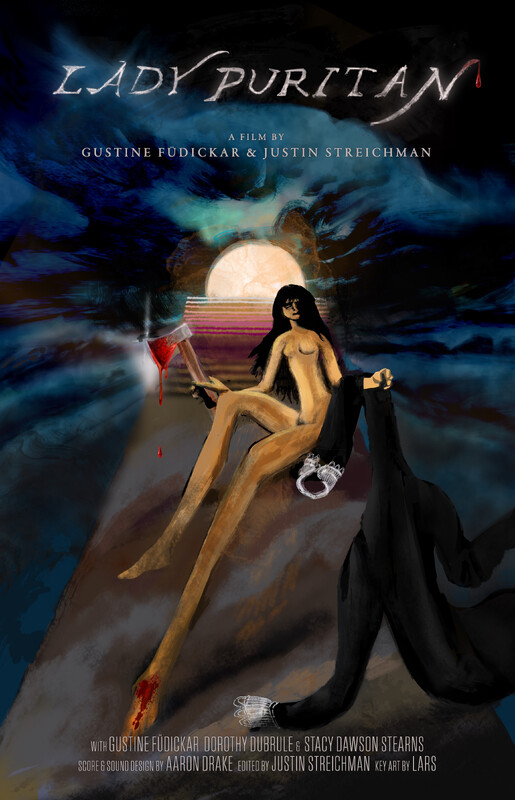
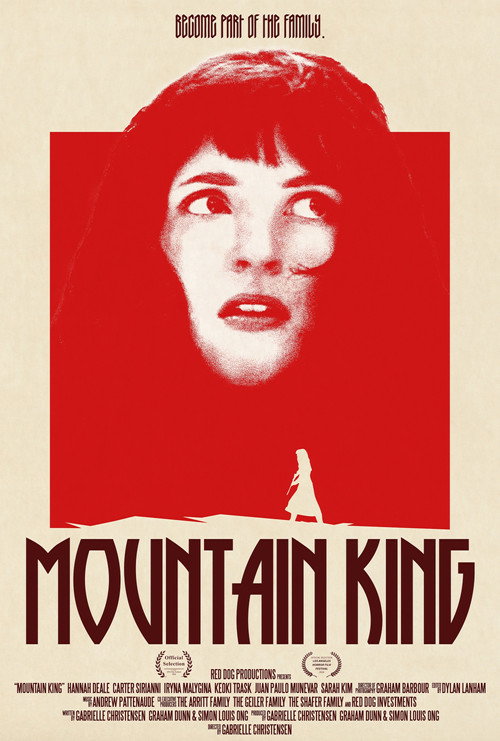
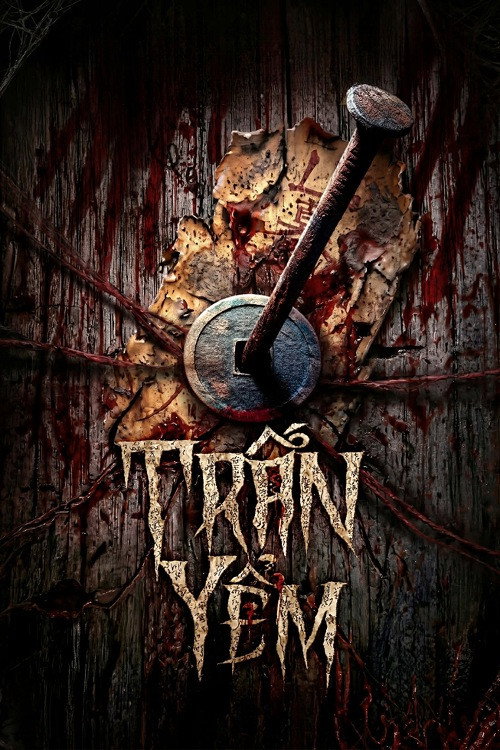
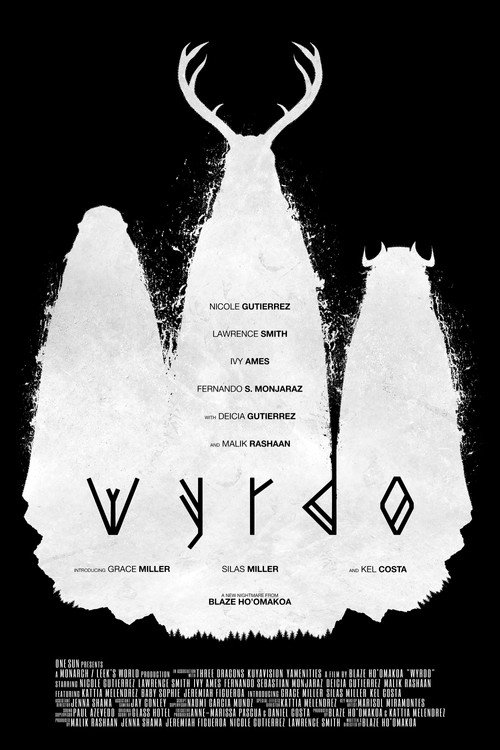
Folk horror begins when landscape stops behaving like background. A field, a forest, a village path, a standing stone - suddenly the land is not scenery but law. The subgenre grows out of pagan dread, local ritual, and the ugly suspicion that modern people are never as far from sacrifice as they think. Folk horror movies understand that terror does not need a monster if a place already has memory, custom, and blood in the soil.
The Wicker Man remains the fixed point because it makes belief itself feel unnerving, communal, and seductively coherent. Onibaba reaches similar territory from a different tradition in Japan, where reeds, masks, and hunger turn the landscape into moral pressure. More recently, The Witch strips the American colonial myth down to family paranoia and religious rot, while Midsommar drags the subgenre into daylight and proves that pastoral beauty can be as oppressive as darkness.
The regional history matters. British folk horror gave the mode its best-known grammar, but it has always traveled well because every culture has rural fears, inherited rites, and stories about what cities forget. Robert Eggers approaches the material like a historical infection. Ari Aster treats ritual as emotional machinery. And if Guillermo del Toro often works adjacent to the form, he understands as well as anyone that folklore is never decorative. It is social memory with teeth.
That is why folk horror keeps resurfacing. In an era of ecological panic, spiritual fraud, and renewed fascination with ancestry, the genre no longer feels old. It feels impatient.
Trending on CaSTV