Australia
Australian horror knows how to make space feel hostile. The outback, the highway, the suburb, even the family home can all become zones where isolation hardens into threat. That is the country's great genre asset: a landscape so large and so indifferent that cruelty starts to feel environmental.
Picnic at Hanging Rock sits at the mystical edge of the tradition, proving ambiguity can haunt just as effectively as violence. Wolf Creek drags the outback into sadistic survival territory. The Babadook turns domestic grief into a precision nightmare, while Talk to Me shows how quickly contemporary Australian horror can translate possession into adolescent spectacle and phone-era ritual.
The defining names are Jennifer Kent, Danny and Michael Philippou, and Peter Weir, with Greg McLean representing the harsher Ozploitation line. Australian horror matters because it can move between art-house unease and brutal crowd-pleasing shock without losing its sense of place. The land, the heat, and the distance remain active participants in the fear.
Country pages also help resist the usual funnel of horror history, where a handful of dominant industries absorb all discussion and every other cinema becomes a footnote. Reading a smaller or less exported corpus on its own terms can correct that imbalance. It can show how local censorship shaped what could be shown, how funding models pushed horror toward television, prestige, or underground practice, and how regional markets rewarded some fear-images over others. That perspective is especially valuable when the database is still growing, because it keeps the page open to future discoveries rather than freezing it around a small imported canon.
There is also a simple viewing benefit. If you arrive through a favorite subgenre, a country page can redirect your attention toward contexts you might otherwise miss. A viewer interested in supernatural narratives may discover that the films tied to a given country are less about ritual than about social breakdown; someone drawn to slashers may find almost none, yet uncover a stronger tradition of psychological horror or political nightmare. That friction is productive. It turns national browsing into criticism, not just filing, and it is one of the reasons these pages are central to how CaSTV frames horror as a living, uneven world system.
The result is a better kind of browsing: one that treats national context as an interpretive tool, not a decorative flag attached after the fact.












Directors
- Adam Jordan
- Adam Plant
- Adam Weber
- Addison Heath
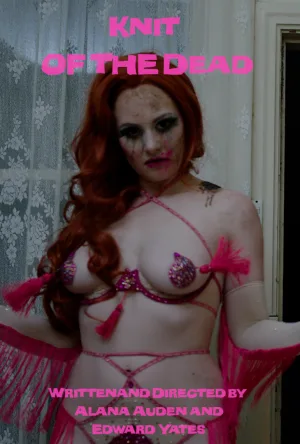
- Alana Auden
- Alex Winner
- Andrew James McPherson
- Antony Webb
- Benjamin Mair
- Callum Moore
- Callum Thomas
- Catherine Bonny
- Clint Cure
- Craig Boreham
- Dane Helg
- David Black
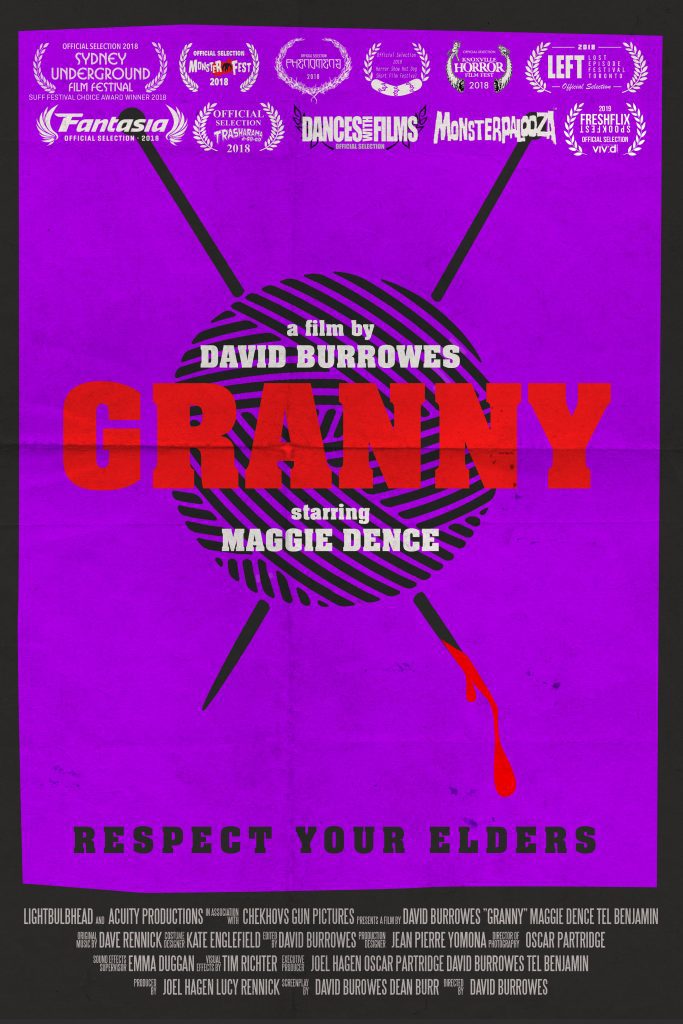
- David Burrowes
- Decappi Tated
- Dick Dale
- Dion Cavallaro
- Duncan Shaw
- Edward Yates
- Ella McShortall
- Ethan Paisley
- Felix Copeman
- Finlay Wilson
- George Metaxas
- Glen Cook
- Gregory Kelly
- Hedwig Schreck
- Igor Breakenback
- J.R.L. Jones
- Jack Malone
- Jale Soysal
- James Dobbins Jones
- Jasmine Jakupi
- Jayden Rathsam Hua
- Jemma Cotter
- Jim
- Jim & Nick Zounis
- John Varga
- Karl Redgen
- Kenny Foo
- Lauren Ambry
- Lee A Marquardt
- Lee Marquardt
- Mario Hannah
- Mark Regan
- Matt Zappala
- Michael Anthony Kratochvil
Also explore
Festivals
- AFIN International Film Festival
- Australian Film and Literature Festival
- Bloodfest
- Brisbane Indie Film Festival
- BUFF: Brunswick Underground Film Festival
- BYRON BAY UNDERGROUND FILM FESTIVAL
- Changing Face International Film Festival NSW
- DIFFS - Discovery Int Fest of Film & Story NSW
- Fantastic Film Festival Australia
- Freshflix
- Geelong Independent Film Festival
- Mayday Hills Short Horror Film Competition
- Melbourne International Film Festival Melbourne
- Melbourne Nocturnal Film Festival Victoria
- MONSTER FEST
- Nyah West Spooktacular film festival
- Poco Film Fest
- Revelation Perth International Film Festival
- Romance Rules Film Festival
- SHORTFEST25 Short Film Festival New South Wales
- Studio 66 Film Nights
- Sydney Science Fiction Film Festival Sydney
- Sydney Underground Film Festival Sydney
- Trasharama short Film Program
- Veterans Film Festival NSW
- West End Film Festival (WEFF)
- Worldwide Smartphone Film Fest
- Yeh! Nah! Horror Film Festival