Black and White
About Black and White Films
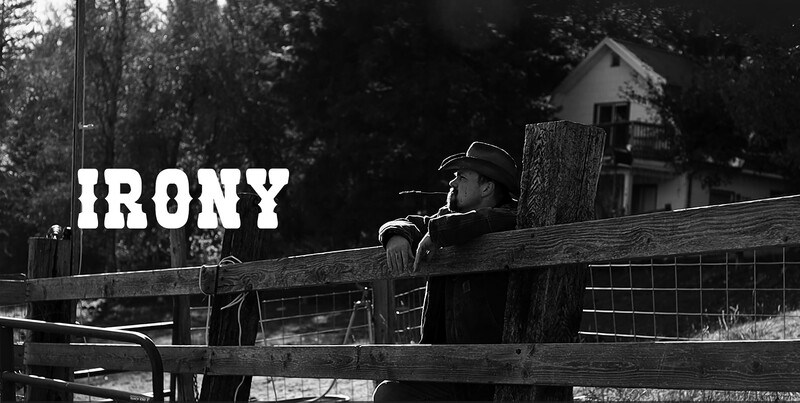
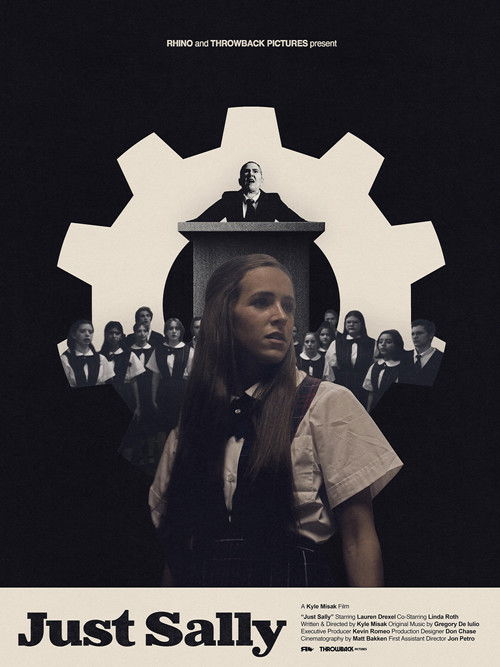
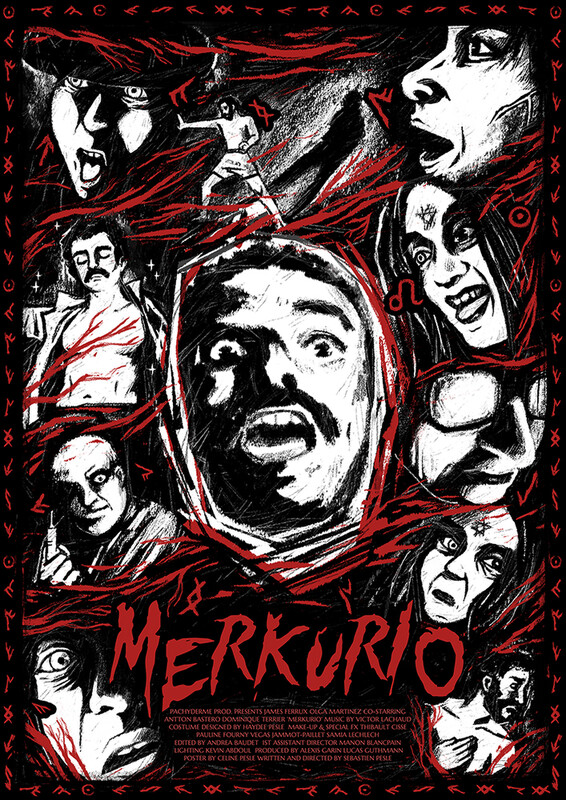
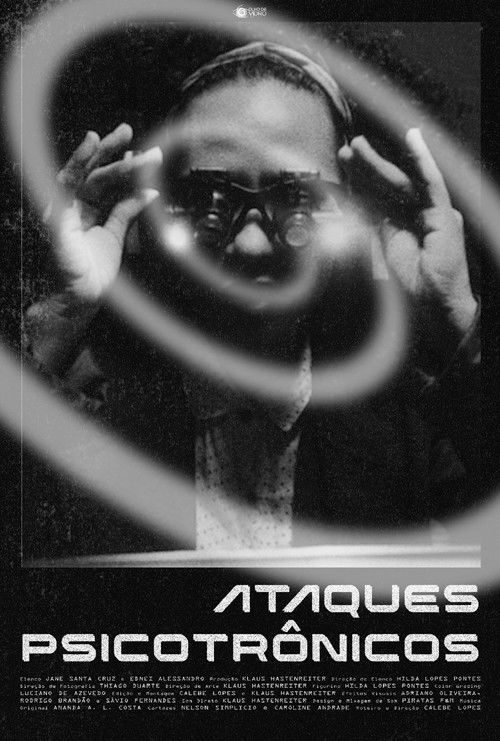
Black and white is not nostalgia on CaSTV. It is a visual pressure system. Strip away color and horror immediately has to renegotiate how it creates seduction, disgust, distance, and threat. Blood is no longer a shortcut. Rot cannot depend on hue. Night becomes less a fact than a structure of contrast. Faces can look carved. Walls can look damp even when you cannot see a stain. Fog stops being atmospheric filler and turns into an active surface that swallows depth. In other words, black-and-white horror does not simply look older. It thinks differently.
That difference begins with light. Monochrome cinema teaches viewers to read danger through intensity, shadow, and texture rather than through color coding. A bright face inside a dark corridor can feel exposed rather than safe. A white dress can become spectral. A black coat can become geometry before it becomes clothing. Horror benefits from this because it has always depended on uncertainty at the edge of vision. Black and white makes the edge expressive. Darkness is never just absence. It has shape, density, and timing.
This is why early horror remains so visually alive. When you watch silent and studio-era genre work now, what stands out is not only the iconic monster design or expressionist architecture. It is the discipline of how light is rationed. A staircase is half-visible for a reason. A cheekbone catches brightness like a blade. A room feels cursed because the image itself seems divided against its own clarity. The great black-and-white horrors do not ask you to admire antiquity. They ask you to submit to a visual logic in which certainty is always partial.
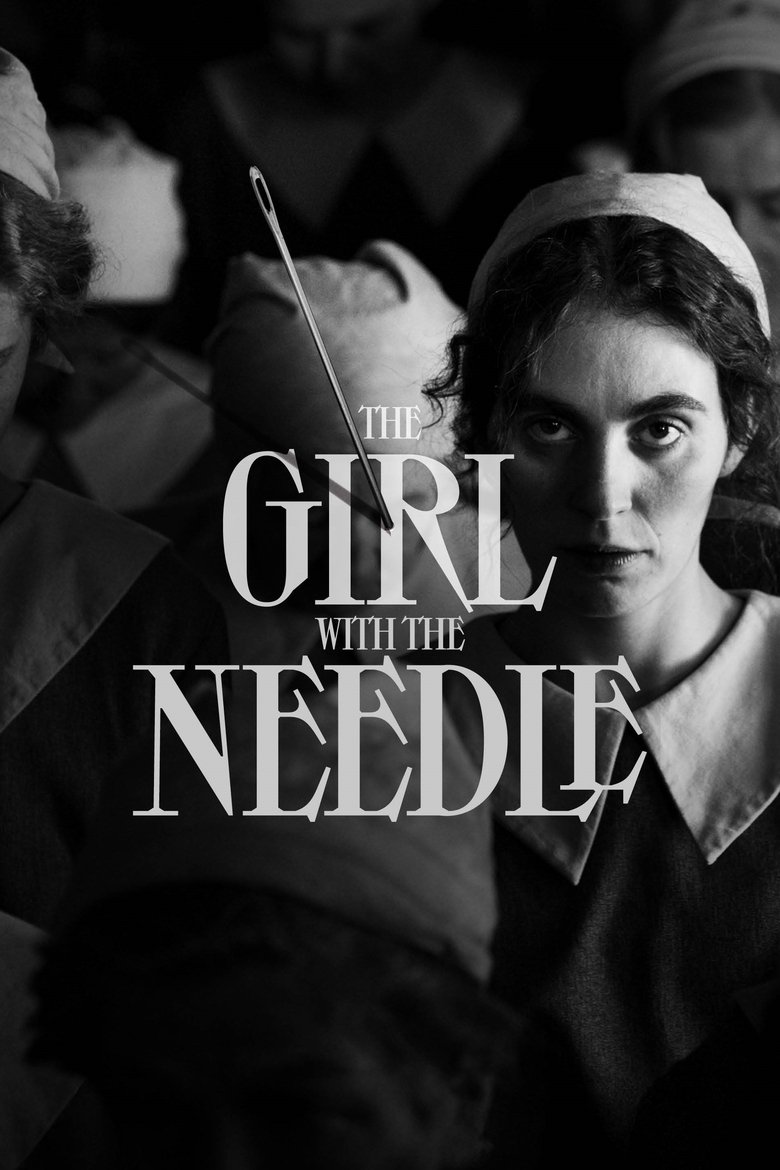
The form also changes performance. In monochrome, small facial shifts can become much harsher because the image foregrounds contour and contrast. Eyes sit differently in the frame. Skin can look pallid or mineral. Sweat can gleam like panic. The result is especially potent for Psychological Horror and Ghost cinema, where ambiguity matters as much as spectacle. A live face can already seem halfway detached from the body in black and white. Horror only has to push slightly further for the uncanny to bloom.
National traditions offer very different monochrome nightmares. In Germany, black-and-white horror and proto-horror often intersect with expressionist distortion, turning architecture into psychology and psychology into fate. In Japan, monochrome ghost and period horror can feel severe, mournful, and almost ceremonial, using darkness not as chaos but as a moral atmosphere. In the United States, studio horror built a durable grammar of fog, staircases, laboratories, and predatory close-ups that still shapes how monster cinema is lit. In Mexico and Italy, black-and-white genre work could become more lurid in mood even without literal color, leaning into theatrical shadows, feverish folklore, and unstable sanctity.
The black-and-white tag also matters because it crosses eras. It is not only about old cinema. Later filmmakers return to monochrome when they want austerity, historical unease, dream logic, or an image that feels scraped down to essentials. In horror, this can be a way to reject slickness. Remove color and you remove one layer of reassurance. Sets become harsher. Digital polish is less flattering. Weather matters more. Skin matters more. The image feels less consumer-friendly, which can be exactly what certain forms of dread require.
That return often overlaps with Folk Horror, Occult, and Surreal work because monochrome helps detach the film from ordinary present-tense realism. A field in black and white is not just rural land. It becomes pattern, contrast, and mythic surface. A church interior becomes an arrangement of voids and candles. A face emerging from darkness feels less like an actor entering frame than an image being summoned. When directors understand this, monochrome becomes not a gimmick but a theological or psychological choice.
Black and white is also ideal for impurity. Horror frequently wants things that are neither cleanly visible nor fully abstract: mist, dust, smoke, scratched film texture, half-erased details, old photographs, archival fragments. Monochrome lets these materials coexist without fighting for chromatic attention. It can make decay look elegant, or elegance look funereal. That is one reason the form works so well with Documentary adjacency and with films that pretend to have been recovered, preserved, or unearthed. Black and white carries evidentiary weight even when the evidence is cursed.
There is, of course, a danger in romanticizing the format. Not every black-and-white horror film is automatically serious or beautiful. Some are crude, cheap, rushed, or visually flat. But even those films can reveal something useful. Monochrome forces a decision about what matters in the image. If the answer is nothing, the film dies quickly. If the answer is shape, rhythm, weather, and contrast, even a modest production can become haunting. The format exposes laziness fast. It also rewards conviction fast.
On CaSTV, black-and-white should therefore be read as a living formal category, not a museum label. It cuts across Horror, Mystery, Ghost, Thriller, and Silent Film traditions while carrying its own emotional charge. It can make the monstrous iconic, the spectral intimate, and the ordinary severe. More importantly, it reminds viewers that horror does not need color to wound the eye. Sometimes fear sharpens when the palette narrows. The world becomes less rich, less forgiving, and more absolute. In black and white, terror often arrives not as an eruption, but as a decision the image has already made.