Gothic
About Gothic Films
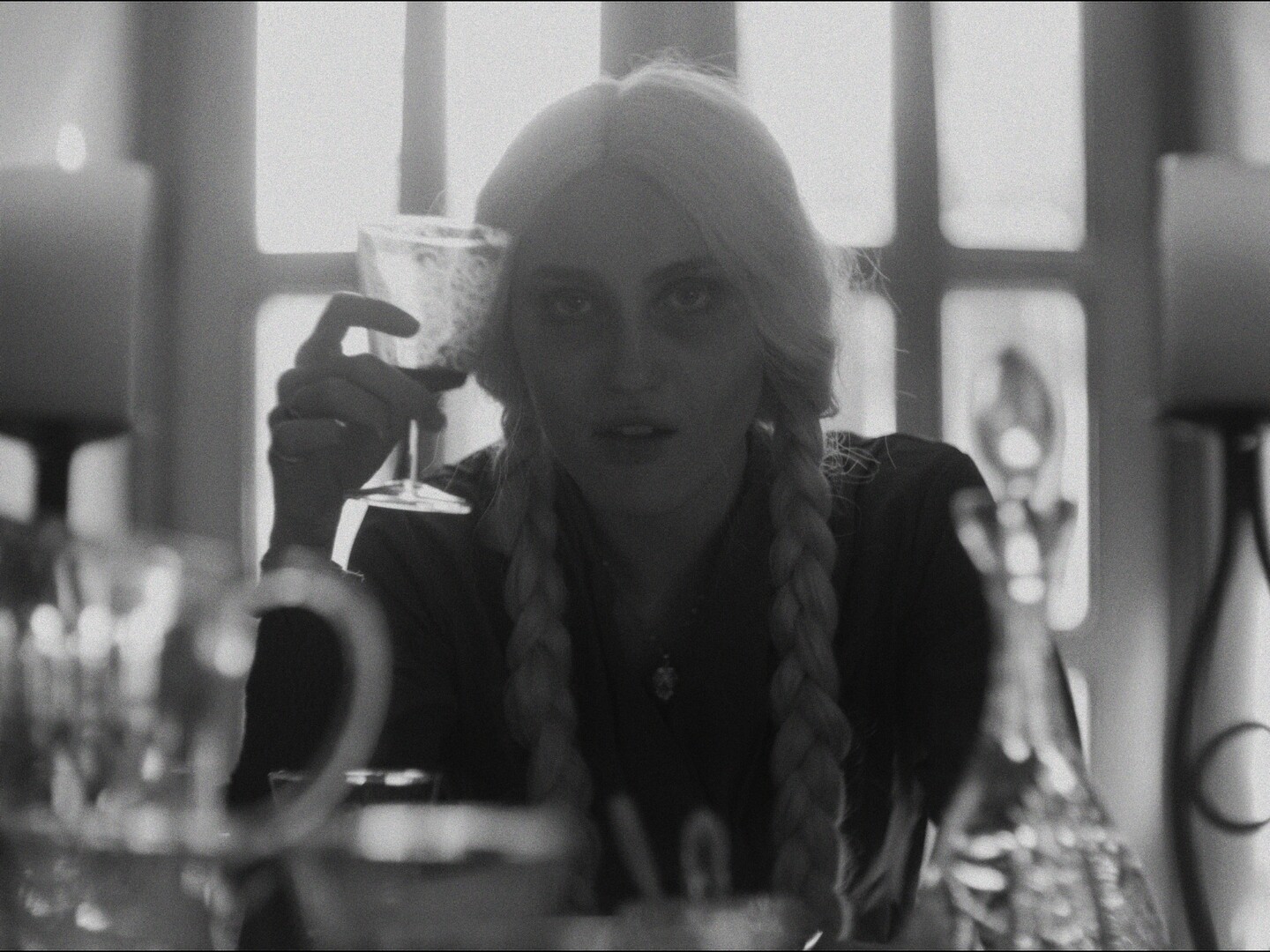
Gothic horror begins with architecture learning how to judge people. A corridor is never just a corridor. A locked room holds more than a secret. A family estate is a machine for inheritance, repression, and repetition. Fog, velvet, crumbling stone, candlelight, portraits, attics, staircases, crypts, convents, and ancestral shame all belong to the mode because gothic stories understand that fear often lives in institutions before it lives in monsters. On CaSTV, gothic matters not as a decorative style alone, but as one of horror's oldest ways of linking private desire to historical rot.
The genre is full of houses, but the house is only the beginning. Gothic horror is about enclosure and return. The past returns. The dead return. Forbidden desire returns. Family violence returns under the cover of manners and bloodline. Even when a ghost or monster appears, the deeper horror usually lies in the structure that made such an apparition inevitable. The crypt matters because the family built it. The curse matters because someone believed they could own the future. That is why gothic sits so naturally beside Ghost, Vampire, Occult, and Psychological Horror.
What makes the mode durable is that it can be both emotional and architectural at once. A guilty conscience may look like a ghost. Repressed desire may look like a locked wing. Class exploitation may look like a decaying mansion fed by invisible labor. Gothic horror keeps translating social facts into haunted space. This is why it still feels current even when the settings are historical. The costumes change. The power structures often do not.
The classic literary roots matter, but cinema gives gothic horror a special tactile life. Film can make drapery oppressive, candlelight accusatory, and a doorway morally charged. It can turn a stairwell into a narrative of status, a bedroom into a site of surveillance, and a garden into a memory trap. The eye is constantly being asked to travel through space that seems to know more than the characters do. That is one reason gothic horror tends to reward slow looking. It wants viewers to notice the house before the house begins answering back.
National traditions shape the mode differently. In the United Kingdom, gothic horror often leans into class, inheritance, fog, church shadow, and the uncanny persistence of old institutions. In Italy, the same material may become more operatic, more sensual, and more baroque in its treatment of death and desire. In Spain, gothic stories often carry heavy Catholic residue and a heightened sense of family guilt. In the United States, the mode can shift toward Southern decay, domestic paranoia, or the spectacle of wealth as a haunted system in its own right.
Gender is central here too. Gothic horror has long been one of the genres most attentive to what happens when women are trapped inside domestic, marital, or hereditary structures designed by others. The haunted bride, the isolated heiress, the suspicious newcomer, the woman who knows the house is wrong before anyone believes her - these figures recur because the gothic understands power through enclosure. Men are trapped too, of course, but often through lineage, ambition, and forbidden appetite. In both cases, the house becomes a social map.
This is where gothic horror overlaps productively with Romance and Drama. The mode thrives on attraction corrupted by secrecy. A beautiful stranger arrives with a family burden. A marriage promises security and delivers surveillance. A castle offers shelter and reveals debt. Emotion is never absent from gothic horror. It is what makes the trap worth entering. If desire were not persuasive, the genre would collapse into tourism. Instead, it remains seductive. The viewer wants to walk the corridor even after learning what waits at the end.
The body in gothic cinema is often less explosively damaged than in Body Horror, but it is still under intense pressure. Illness, fainting, confinement, pallor, sleepwalking, possession, bloodline anxiety, and erotic danger all structure the mode's treatment of flesh. A body may be threatened by a vampire, but it is also threatened by marriage, by lineage, by household expectation, by being looked at too long or not believed at all. Gothic horror makes vulnerability ceremonial.
Modern films keep returning to the mode because its social machinery remains useful. Replace the castle with an estate, a luxury home, an isolated school, or a religious institution and the same questions reappear. Who controls the narrative of the place. What is being buried under the family's self-image. Who benefits from secrecy. What kind of desire makes people ignore warning signs. Gothic horror does not require period costumes to function. It requires structures old enough to have learned how to hide themselves.
On CaSTV, gothic belongs in constant dialogue with Ghost, Vampire, Occult, Romance, and Psychological Horror. It identifies films where dread is not merely sudden or physical, but historical, domestic, and spatially embedded. The gothic remains essential because it understands an unpleasant truth: people do not inherit only property. They inherit rooms, obligations, myths, and ways of lying. Horror begins when the building finally decides to tell the truth.