
Vampire
About Vampire Films
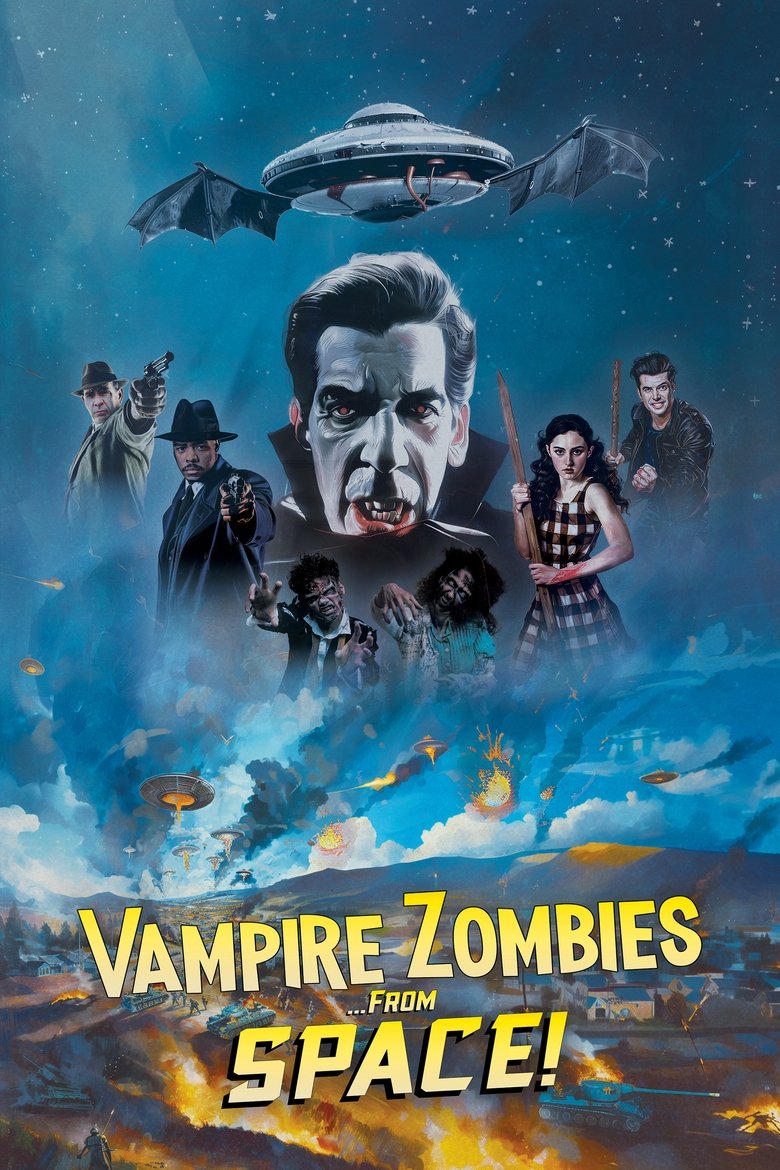
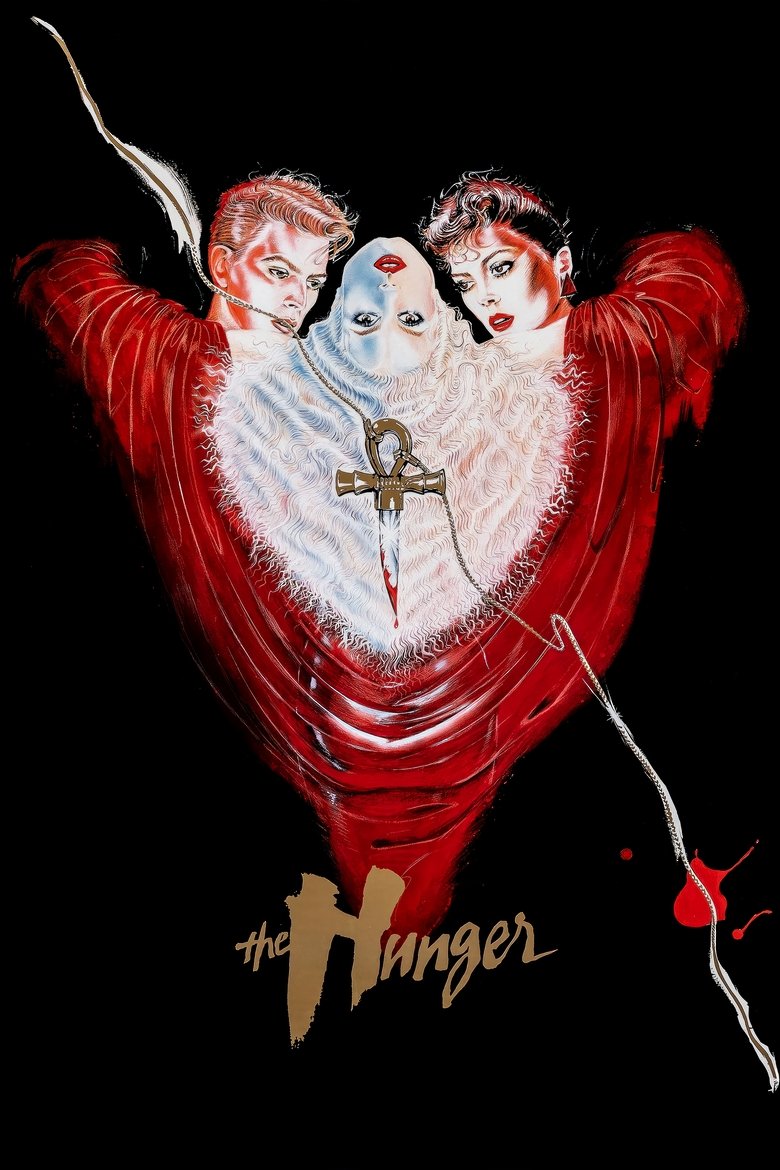
Vampire horror survives because it can wear almost anything well: plague story, aristocratic nightmare, erotic melodrama, teenage fever dream, political allegory. At the center is always the same obscene proposition - immortality purchased through appetite. Vampire horror movies do not just ask whether blood will be spilled. They ask who gets to feed, who gets desired, and who gets emptied out so someone else can keep living beautifully.
Cronos is one of the great modern variations because it treats vampirism as both bodily corruption and tragic seduction in Mexico. Let the Right One In strips the myth back down to loneliness, ritual hunger, and cold intimacy. Nosferatu remains the silent shadow over the whole form in Germany, all disease, plague, and rat-like desire. Martin drags the vampire into American decay and leaves open the ugly possibility that there may be no supernatural explanation at all.
The directors show how elastic the form remains. Guillermo del Toro understands the vampire as a baroque organism. Jean Rollin pushes the myth toward dreamlike eroticism. Tomas Alfredson makes it austere, tender, and quietly lethal.
That is why vampire horror never dies. The monster keeps adapting because it sits at the crossroads of sex, disease, class, beauty, and predation, which is another way of saying it sits very close to human fantasy itself.