Stop Motion
About Stop Motion Films
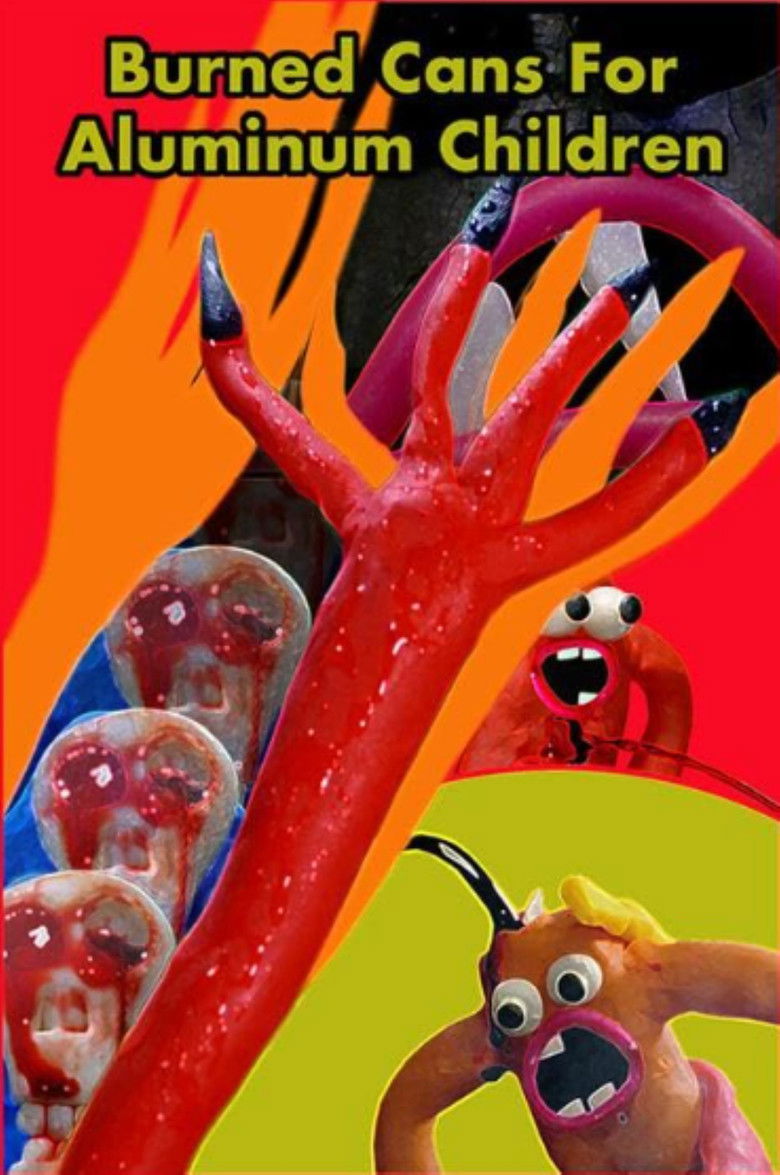
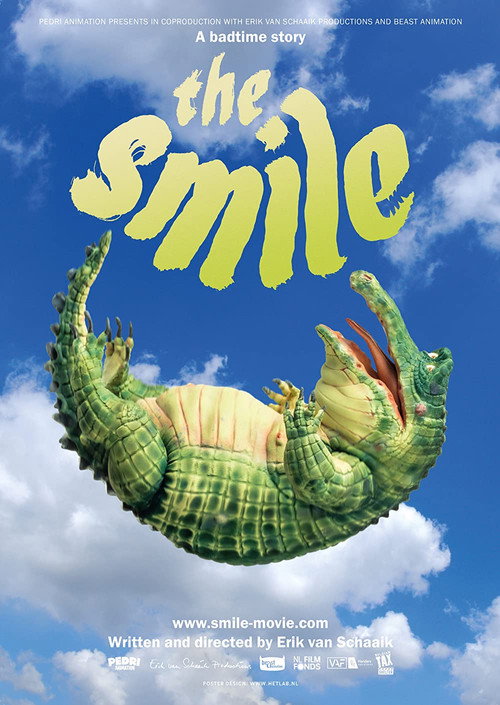
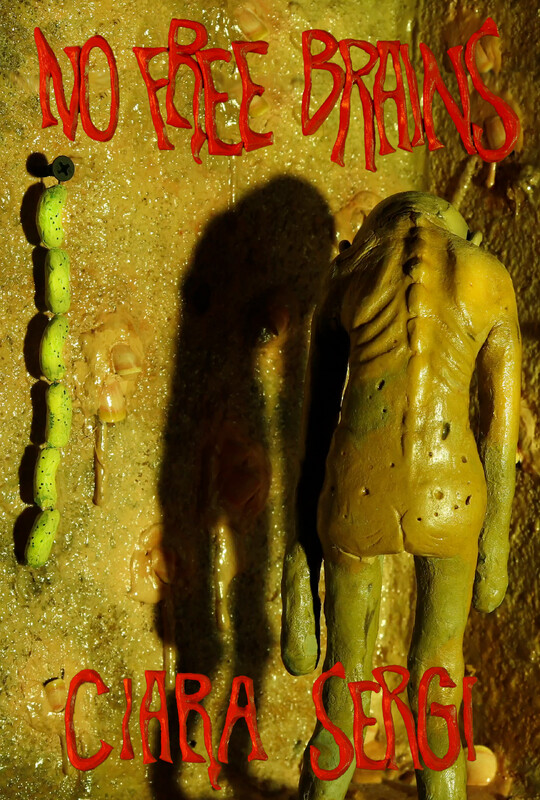
Stop motion is one of horror's most naturally uncanny forms because it is built on the visible resurrection of dead matter. Puppets, clay, wire, fabric, wood, fur, miniatures, household debris, and sculpted faces are moved frame by frame until they appear to live. That appearance is miraculous and wrong at the same time. On CaSTV, stop-motion matters not simply as an animation technique, but as a mode whose very ontology already leans toward horror. The image is alive because someone kept touching what should have stayed inert.
This is why stop-motion sits so closely beside Animation, Experimental, Body Horror, Surreal, and Horror. Animation provides the broader formal field. Experimental film shares its fascination with texture, discontinuity, and handcrafted instability. Body horror benefits because stop-motion can turn flesh into material with a handmade wrongness that live action rarely matches. Surrealism enters because the world can transform by decree rather than by physical law. Horror sits at the center because the medium constantly reminds viewers that movement itself is an illusion being forced onto matter.
What makes stop-motion especially eerie is the paradox of control. Every movement has been decided. Nothing happens accidentally. Yet the finished motion often feels twitchy, unstable, and slightly disobedient. A hand reaches too smoothly, then not smoothly enough. A face changes expression like an object remembering emotion rather than feeling it. A room seems to breathe because the whole set has been touched into life. Horror thrives on this slippage between total design and apparent instability. The medium looks controlled and haunted at once.
National traditions shape the tone in different ways. In the United States, stop-motion horror often intersects with creature work, gothic children's media, and the broader industry of practical-effects fantasy. In the United Kingdom, handcrafted eccentricity, dark humor, and folk residue can give stop-motion dread a particularly peculiar flavor. In Japan and Eastern Europe, stop-motion and puppet animation have often been more willing to move toward oneiric cruelty, psychological unease, or outright nightmare without needing to reassure family audiences. Across France and elsewhere, art animation traditions also feed the medium's capacity for severe symbolic horror.
The body is central, but in a transformed sense. Stop-motion horror rarely treats bodies as seamless organisms. It tends to treat them as assemblages: joints, sockets, skins, surfaces, replacements, break points. That makes the medium especially suited to Body Horror. A puppet's face can split, crumble, bulge, or peel with an intimacy that feels handcrafted in the most unsettling way. Even when no explicit gore appears, the mere fact of articulated bodies being manipulated can feel anatomically suspicious.
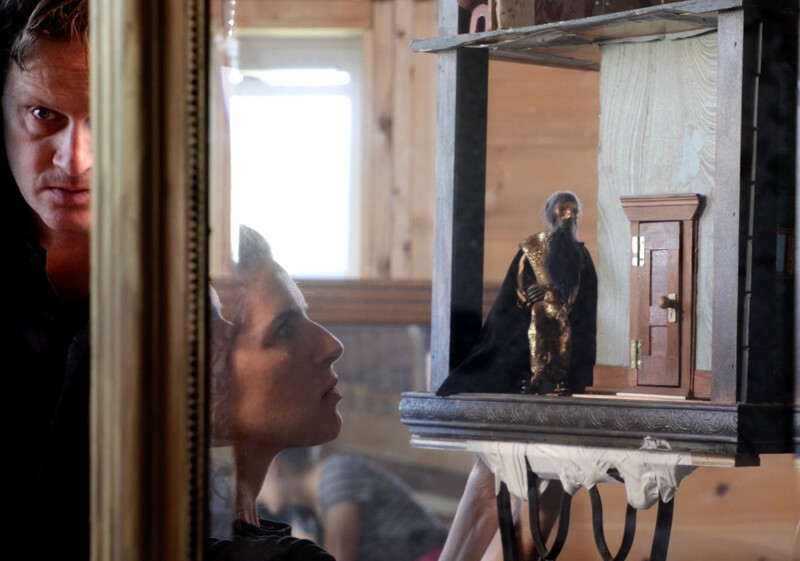
The environment matters too. Miniature sets in stop motion are not merely backgrounds. They are tactile systems. Dust, wallpaper, wood grain, stitched cloth, rust, moss, plaster, and chipped paint all become legible at a strange scale. Horror can use this to create rooms that feel more personal and more cursed than many live-action interiors. A tiny corridor can feel oppressive because its materials are visibly made, and therefore visibly vulnerable to being remade into something hostile.
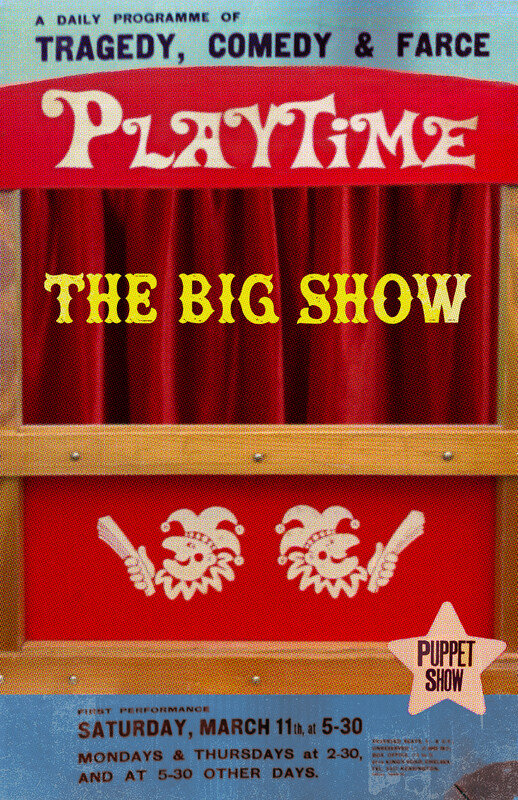
Stop motion also thrives on fairy tale and folklore, which brings it close to Fantasy and Folk Horror. The medium is excellent at rendering small worlds with private rules, whether charming or lethal. A dollhouse can become a prison. A woodland creature can become judge or parasite. A domestic kitchen can become a ritual site. Because everything is fabricated, the film can modulate tone with extraordinary precision, then turn that precision toward dread when the viewer has settled into false comfort.
There is often a melancholy side to stop-motion horror as well. Handmade images carry labor visibly. You feel time in them. This can make loss, decay, and haunting feel especially poignant, because the world already seems to know it was built to vanish. Horror that enters such a world can feel less like sudden destruction than like the revelation of fragility that was always present.
For CaSTV viewers, the stop-motion tag should mark films where the technique itself is central to the horror effect, not just incidental to a creature shot or short sequence. It belongs beside Animation, Experimental, Body Horror, Surreal, and Fantasy because those neighboring tags explain the many ways stop-motion can become frightening.
Stop motion remains essential to horror because it stages a beautifully disturbing contradiction: the world on screen is clearly handmade, yet it moves as if it has slipped free of the maker's hand. That contradiction is almost the whole genre in miniature. We build forms to contain fear, then watch the forms begin to breathe.