Fake Trailer
About Fake Trailer Films
The fake trailer is a tiny form with a disproportionately strong understanding of genre. In a minute or two, sometimes less, it has to do what full films spend ninety minutes negotiating: establish tone, suggest a world, sell an angle, promise sensations, and imply a larger mythology that may not actually exist. On CaSTV, fake trailer matters because it is pure horror marketing turned into its own creative object. It distills exploitation logic, parody, homage, and genre literacy into a highly compressed pitch machine.
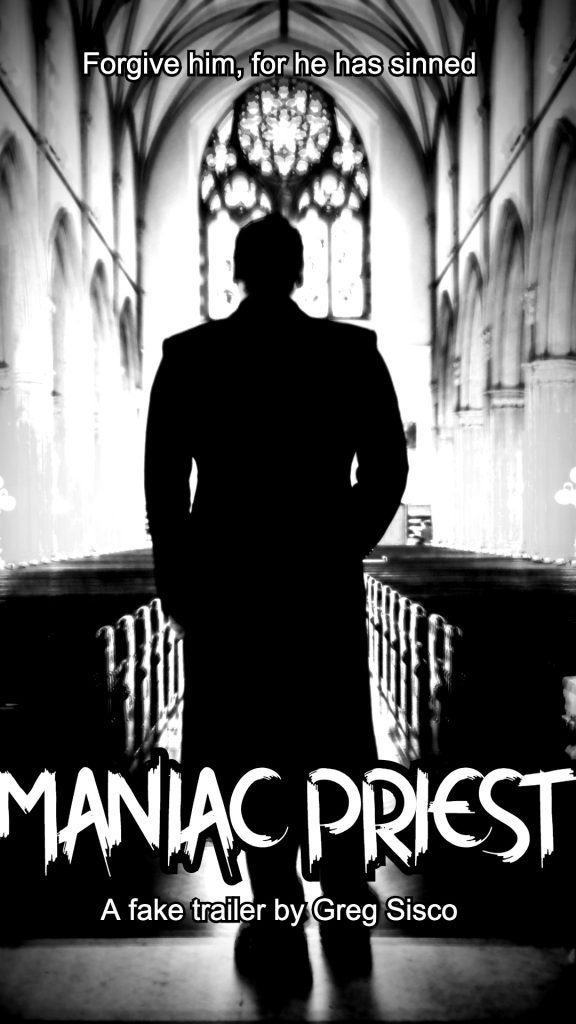
Compression is the key. A fake trailer does not need narrative completion. It needs implication. A killer silhouette, a decrepit town, a feverish title card, a breathless announcer, a sudden cut to blood or absurdity, and the viewer is already completing the rest in their head. Horror is especially suited to this because the genre has always relied on suggestion. Posters, taglines, lurid ad copy, and whispered premises often travel farther than the films themselves. The fake trailer takes that reality and makes it the whole event.
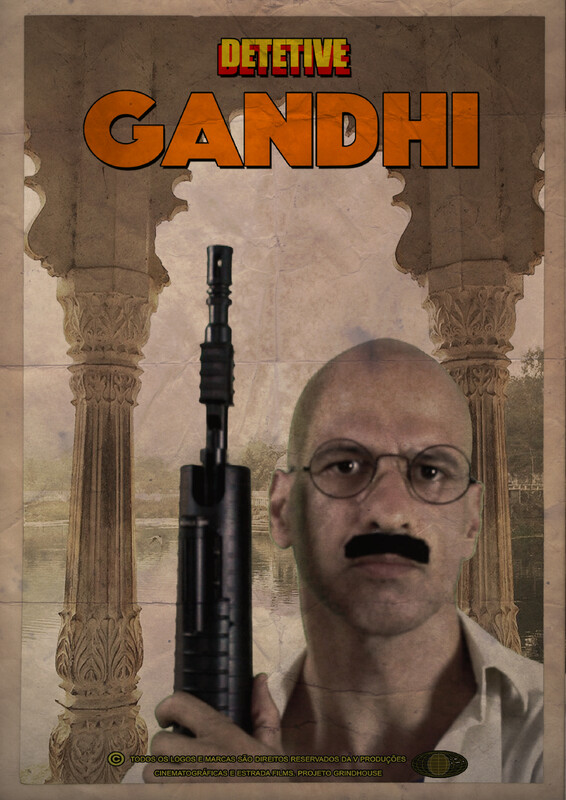
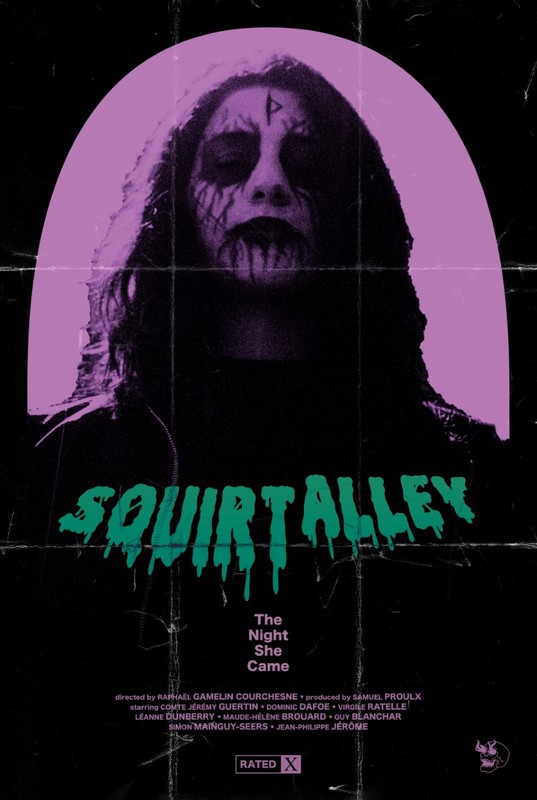
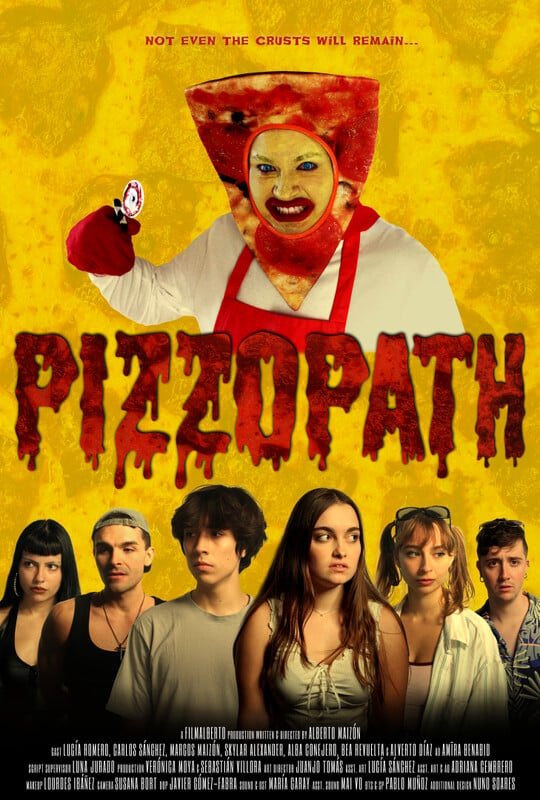
This makes the category closely tied to Exploitation, Comedy, Satire, and [Grindhouse] style thinking even though CaSTV uses more specific adjacent tags. Many fake trailers work because they understand the shamelessness of older marketing ecosystems. A title overpromises. A voice-over claims the film was banned, lost, recovered, or too dangerous for ordinary audiences. The imagery suggests biker cults, cannibal families, Nazi laboratories, killer nuns, mutant babies, cursed suburbs, or whatever other transgressive hook can be sold in seconds. The fake trailer is often a joke about exploitation, but it only works if the joke knows exploitation intimately.
At the same time, not every fake trailer is comic. Some function as real tone poems, using the trailer form to produce a compact burst of dread. Horror can do this especially well because the trailer already resembles nightmare structure. Fragments. Repetition. Crescendos. Unexplained images. Faces screaming in different locations. Text insisting on a history you have not been given. Sound leading the eye faster than the eye can process. Remove the obligation to sell an actual feature and the form becomes even freer. It can exist as a self-contained audiovisual threat.
This is why fake trailers often sit near Music Video and Experimental aesthetics. They can be cut by rhythm rather than plot, driven by visual escalation rather than character logic, and sustained by attitude rather than explanation. A single costume, grainy stock emulation, an aggressive sound cue, and the right title design may be enough. The form rewards filmmakers who understand genre shorthand at a molecular level. Every second has to carry information about period, tone, taboo, and probable body count.
National context matters less here than media culture, but it still shapes the references. In the United States, fake trailers often mine grindhouse imagery, slasher iconography, and local exploitation mythology. In Italy, Spain, or France, the reference pool may shift toward giallo, Eurocult, nunsploitation, cannibal cycles, or decadent supernatural textures. In Japan, fake-trailer energy can intersect with more extreme tonal instability, grotesque comedy, or media-saturated dread. The specifics vary, but the method remains similar: identify a genre memory and push it hard enough that the audience recognizes both the reference and the exaggeration.
One of the most interesting things about fake trailers is how much they reveal about viewers. People often enjoy them because they like the fantasy of a film more than the labor of a full film. The trailer promises concentrated pleasure without the risk of narrative sag, tonal inconsistency, or explanatory disappointment. Horror fans in particular know this feeling. Sometimes the idea of a cursed drive-in movie, a severed-limb biker revenge saga, or a haunted porno palace is enough. The fake trailer respects that appetite while also teasing it.
The form also teaches useful lessons about horror construction. It shows how titles matter, how one image can anchor an entire imagined film, how sound design can imply scale, and how quickly an audience can read costume, grain, typography, and color as period or subgenre signals. For filmmakers, the fake trailer is a laboratory. For viewers, it is a test of literacy. If you do not know the traditions being invoked, some of the pleasure disappears. If you do know them, the compression becomes deliciously efficient.
On CaSTV, the fake-trailer tag belongs beside Exploitation, Comedy, Satire, Experimental, and Music Video as a form that lives by intensity and reference density. It may be playful, vicious, nostalgic, or sincerely creepy, but it always depends on the audience's sense that horror can be sold in a flash.
That is why the fake trailer remains more than a novelty. It captures something fundamental about genre culture: horror often exists first as promise. A rumor, a title, a poster, a trailer cut, a forbidden image, an attitude. The fake trailer turns that promise into a self-sufficient work. It knows that half the pleasure of horror lies in anticipation, and it is perfectly willing to leave you there, grinning or uneasy, with the imaginary feature still running somewhere behind your eyes.