Music Video
About Music Video Films
Music video belongs on CaSTV because horror has always depended on compression, and the music video is compression turned into a formal weapon. In a few minutes, sometimes less, it can build atmosphere, establish a nightmare image, fracture narrative logic, stylize violence, eroticize dread, and leave behind a single unforgettable visual idea. That economy makes it one of horror's most efficient adjacent forms. The question is not whether a music video tells a complete story. The question is whether it can generate the charge of horror before the song ends. The answer, historically, is yes, and often with alarming ease.
Part of the reason is structural. Music videos are built on rhythm rather than causality. They can cut on beat instead of action, repeat images until they become obsessive, and collapse dream, performance, memory, fantasy, and bodily spectacle into the same short object without needing to justify the transitions. Horror thrives under those conditions. Fear often works best when explanation arrives late or not at all. A face flickers into a mask. A room changes color and moral temperature with the bassline. A body moves like something trying to remember human grace and failing. The music video can make these transitions feel natural because rhythm replaces realism as the governing law.
This puts the category in close conversation with Experimental, Surreal, Dark Comedy, and Horror itself. Experimental work supplies formal aggression. Surrealism allows symbolic instability. Dark comedy often enters because excess, glamor, and grotesquerie can slide into the absurd very quickly once the imagery gets too committed to its own nightmare. Horror provides the underlying appetite for menace, distortion, and body trouble. The music video simply strips away everything nonessential and lets those elements hit at full density.
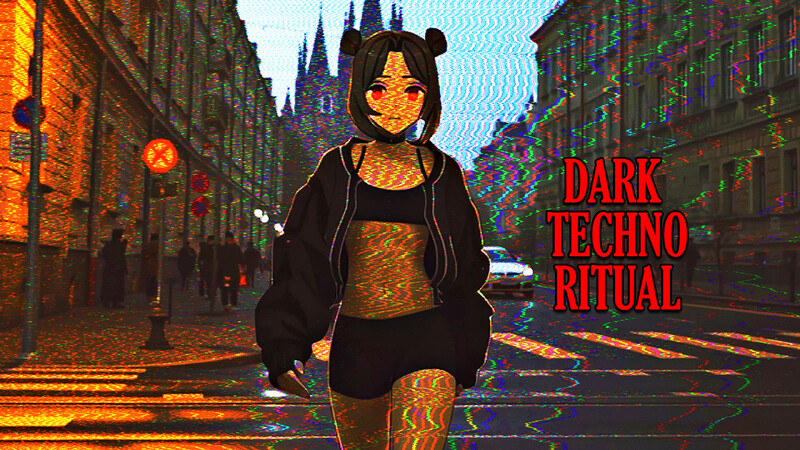
Historically, music video has been one of the most important laboratories for horror style. Directors can test creature design, lighting strategies, gore gags, haunted iconography, performance registers, and editing rhythms inside a short-form commission before those ideas migrate into feature work. The form also keeps horror mobile across genres. Metal, industrial, goth, pop, hip-hop, darkwave, punk, and electronic music have all found ways to absorb horror aesthetics because the visual side of the medium is so willing to embrace spectacle and taboo.
National contexts matter here as well. In the United States, horror music videos often move between pop theatricality, MTV-era shock iconography, and underground abrasion. In the United Kingdom, goth residue, art-school stylization, and blackly comic performance traditions have often shaped the tone. In Japan, the overlap can become more intensely stylized, blending body transformation, theatrical makeup, and media saturation into highly controlled nightmares. Across Europe more broadly, horror music videos have often borrowed from giallo color palettes, industrial decay, religious imagery, and fetish aesthetics in ways that sit close to Noir and Erotica without settling into either.
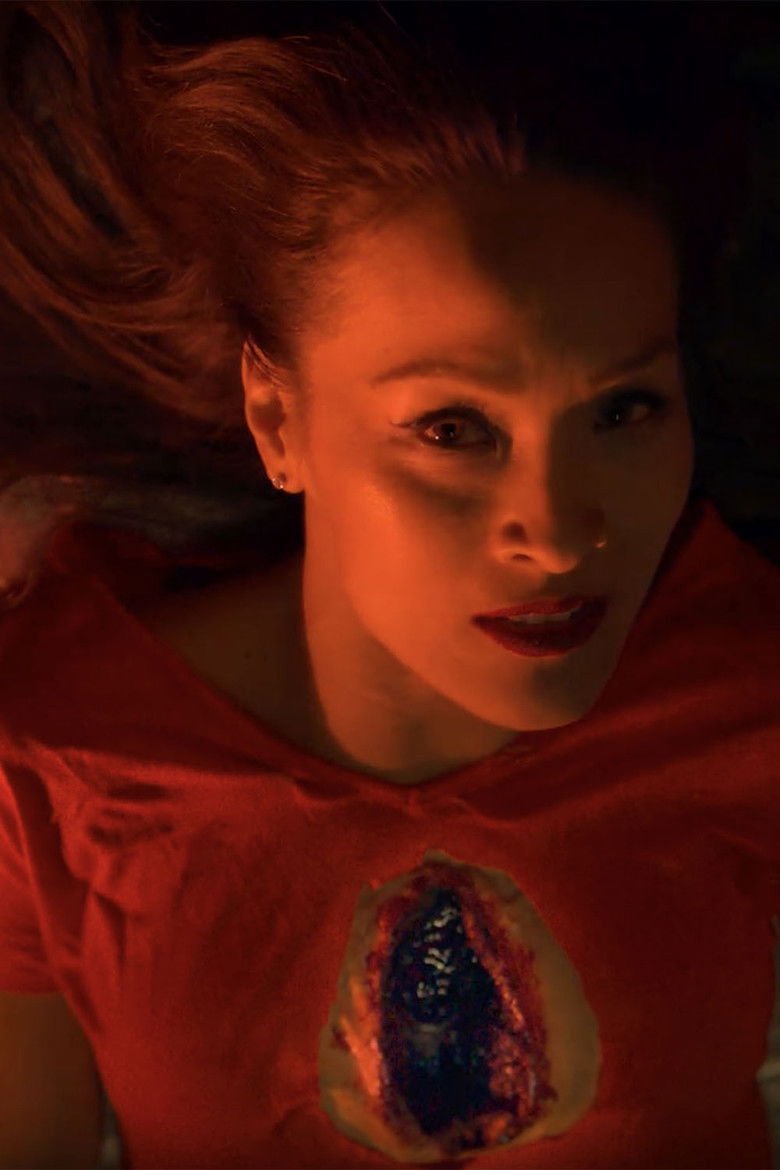
The body is central here because music videos treat the body as both performance and image surface. Horror can exploit that by pushing choreography toward possession, glamour toward decay, sexuality toward threat, and costume toward monstrosity. A singer may become a vampire, a corpse, a machine, a cult leader, a witness, or a victim in less than thirty seconds. This speed matters. It captures how quickly horror can reframe charisma as danger. In a music video, transformation does not need a long narrative arc. It only needs conviction and timing.
There is also a strong connection to Body Horror and Psychological Horror. Music videos often work through repetition and close-up, which makes them excellent vehicles for obsessive imagery. A mouth repeating the wrong lyric, a hand moving unnaturally, blood treated like choreography, a doubled figure appearing slightly out of sync with itself, a room that keeps returning with new damage each time - all of these can create dread because the form has no obligation to stabilize what it is showing. The audience is left with sensation first and meaning later.
The best horror music videos also understand camp. Not every grotesque image needs solemnity. Some of the most durable works in the form lean into theatricality, artificial blood, exaggerated costume, monster-pageant energy, or a knowingly overblown apocalypse. That does not make them unserious. It means they understand that horror and performance have always been entangled. A stage persona can easily become a monster persona. A nightmare can become a hook.
For CaSTV viewers, the music-video tag should mark not only promotional side material, but a genuine short-form space where horror aesthetics are tested, refined, and popularized. It belongs beside Experimental, Surreal, Dark Comedy, Body Horror, and Horror because those categories help explain what the medium is doing when it turns a song into a nightmare engine.
Music video matters to horror because it proves the genre does not always need duration to leave a scar. Sometimes one image, one movement, one color shift, one scream under a chorus, or one impossible cut is enough. The form understands that dread can be catchy, that spectacle can be diseased, and that rhythm is perfectly capable of carrying terror if the images know where to bite.