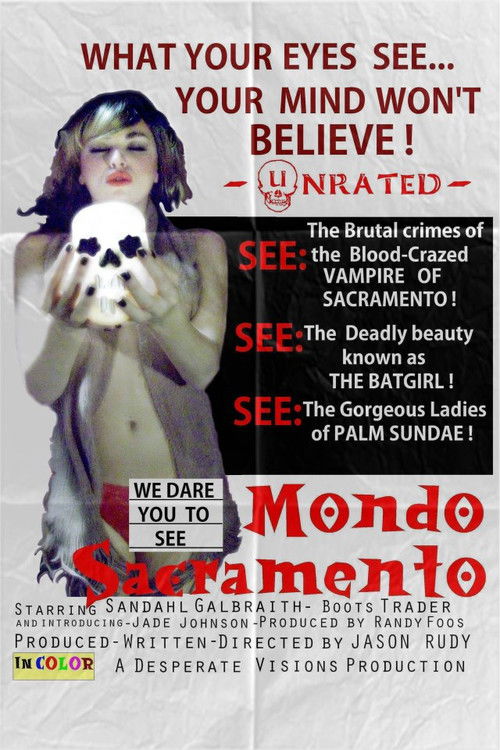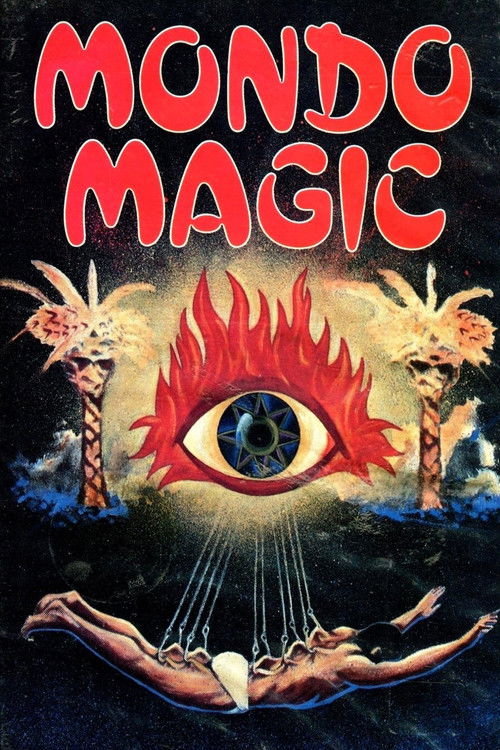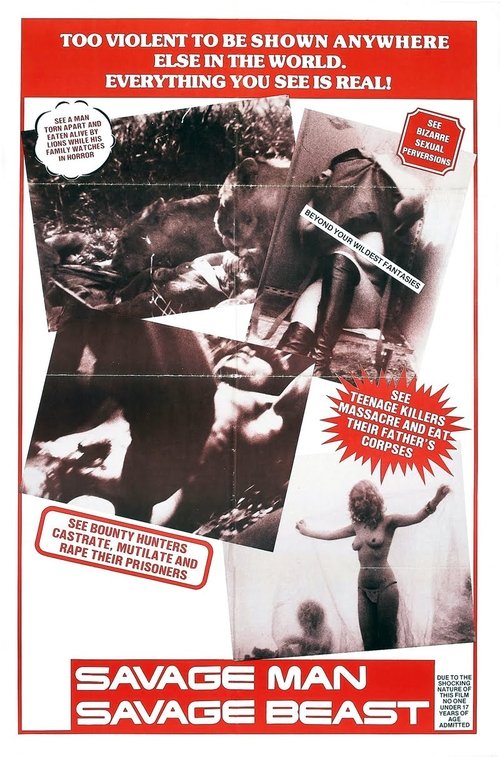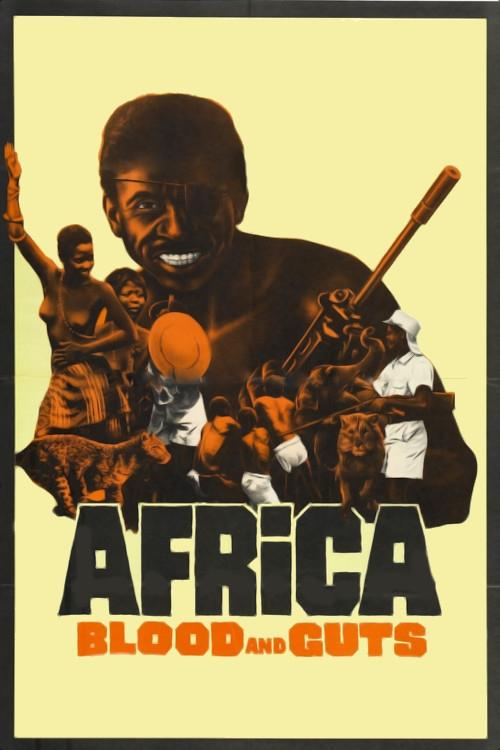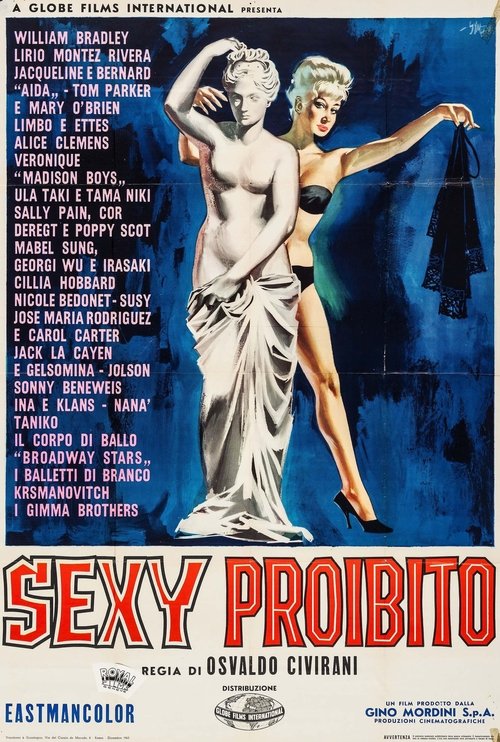

Mondo
About Mondo Films
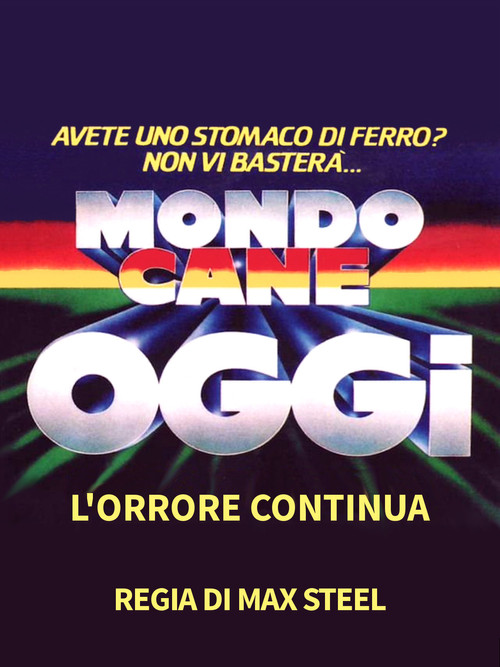
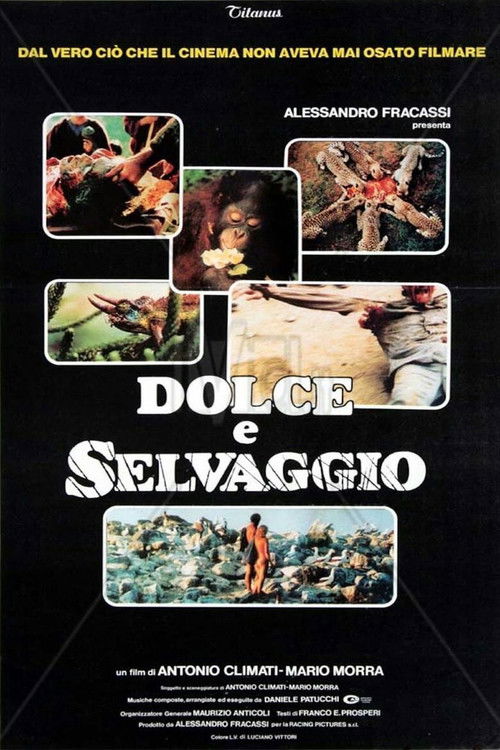
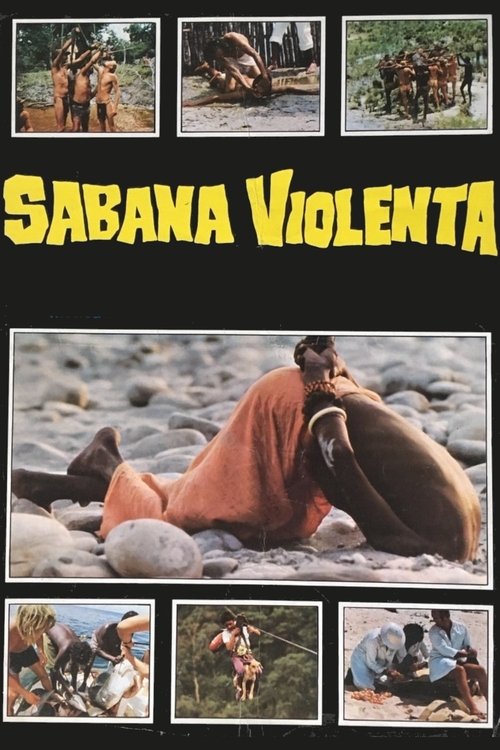
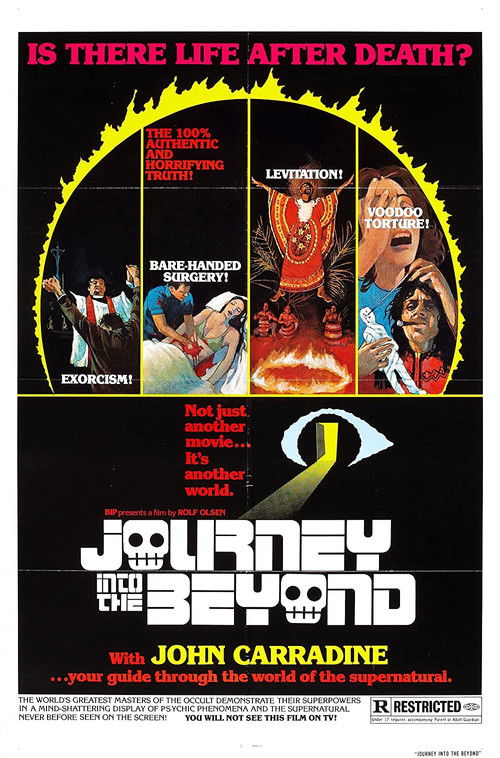
Mondo is one of the most ethically volatile forms on the edges of horror, and that volatility is precisely why it deserves a clear place in the CaSTV map. The category grows out of shock documentaries and pseudo-documentaries that promise forbidden access to the world's cruelties, excesses, rituals, bodies, and supposed abnormalities. Mondo often arrives wearing the mask of reportage, but its real engine is spectacle. It does not simply show strange or violent material. It packages strangeness and violence as consumable provocation.
That makes the form deeply important to horror history. Mondo cinema taught generations of filmmakers how to market disgust, how to blur fact and manipulation, how to turn distant suffering into lurid attraction, and how to train viewers to distrust the moral innocence of looking. On CaSTV, mondo should not be confused with ordinary Documentary. It is a sensationalist cousin, one far more willing to exploit exoticism, bodily damage, death, or taboo behavior for impact. The horror here may be real, staged, manipulated, or impossible to cleanly separate. That uncertainty is one of the form's most troubling features.
Mondo therefore sits near Exploitation, Documentary, Gore, and Crime because it thrives on the same unstable mixture of evidence and appetite. A viewer is invited to believe that the camera has captured reality, but the framing, editing, voice-over, and selective presentation often reveal a deeper commitment to shock than to truth. Horror audiences will recognize the mechanism immediately. Mondo is what happens when the exploitation instinct borrows nonfiction authority.
Nationally, the category is especially associated with Italy, where the form became central to a particular tradition of opportunistic, globe-spanning sensational cinema. But its influence extends widely. American shockumentaries, tabloid television, pseudo-investigative video culture, and later internet gore economies all owe something to the same logic. Mondo is not only a set of films. It is a way of imagining spectatorship: you are here to see what you should not see, and the film will pretend that seeing it is educational even as it sells you transgression.
One reason the category matters to horror is that it complicates the boundary between fear and curiosity. Viewers may recoil, but they also keep looking. The attraction is inseparable from disgust. This is not unique to mondo, of course. Horror has always depended on that tension. But mondo pushes it into especially ugly terrain because the material may involve real bodies, real cultures, real harm, or heavily manipulated claims about all three. The thrill is therefore contaminated from the start.
This contamination is also why mondo often intersects with colonial and racist looking practices. Many classic examples rely on the premise that foreign customs, non-Western bodies, poor communities, or subcultural rituals can be framed as primitive, excessive, savage, or freakish for the spectator's consumption. That history cannot be separated from the form's legacy. CaSTV should preserve the category as something to understand, not as something to sanitize. Mondo reveals how shock cinema has often depended on unequal power between the camera and its subjects.
At the same time, the category has had an undeniable formal impact. Aggressive montage, provocative voice-over, abrupt tonal pivots, staged reenactment masquerading as evidence, and a fascination with bodily extremity all flowed from mondo into later exploitation and horror traditions. Even films with no documentary claim at all sometimes borrow its rhythm of escalation and its taste for forbidden-seeming imagery. In that sense, mondo is part of the industrial bloodstream of horror, whether viewers seek it out directly or not.
The body in mondo is often treated with a brutal lack of privacy. Injury, death, ritual alteration, sex, and spectacle become part of an archive of transgression assembled for effect. This is where the form edges toward Gore and Body Horror without truly belonging to either. The fascination is not with fictional transformation, but with the claim that reality itself contains enough bodily excess to satisfy horror appetites if only the camera is shameless enough to hunt it down.
For CaSTV viewers, the mondo tag should signal caution and context. These works may be crucial to understanding the development of exploitation, shock marketing, and horror-adjacent documentary styles, but they also demand critical distance. They belong in conversation with Exploitation, Documentary, Crime, and Gore because all of those tags help explain how the form operates and why it remains ethically compromised.
Mondo persists in horror history because it embodies a hard truth about spectatorship: people are drawn to what disturbs them, especially when the disturbance comes with a claim of authenticity. The form monetizes that draw with almost no pretense of innocence. To study mondo is to study horror's ugliest mirror, a place where curiosity, cruelty, and performance of truth become nearly impossible to separate.