
Cannibal Horror
About Cannibal Horror Films
Cannibal horror is exploitation stripped to the bone. It thrives on taboo, colonial panic, bodily violation, and the ugly fantasy that civilization is always one bad trip away from eating itself. Cannibal horror movies are often crude by design, but at their most potent they reveal something nastier than gore: the way horror turns appetite into ideology.
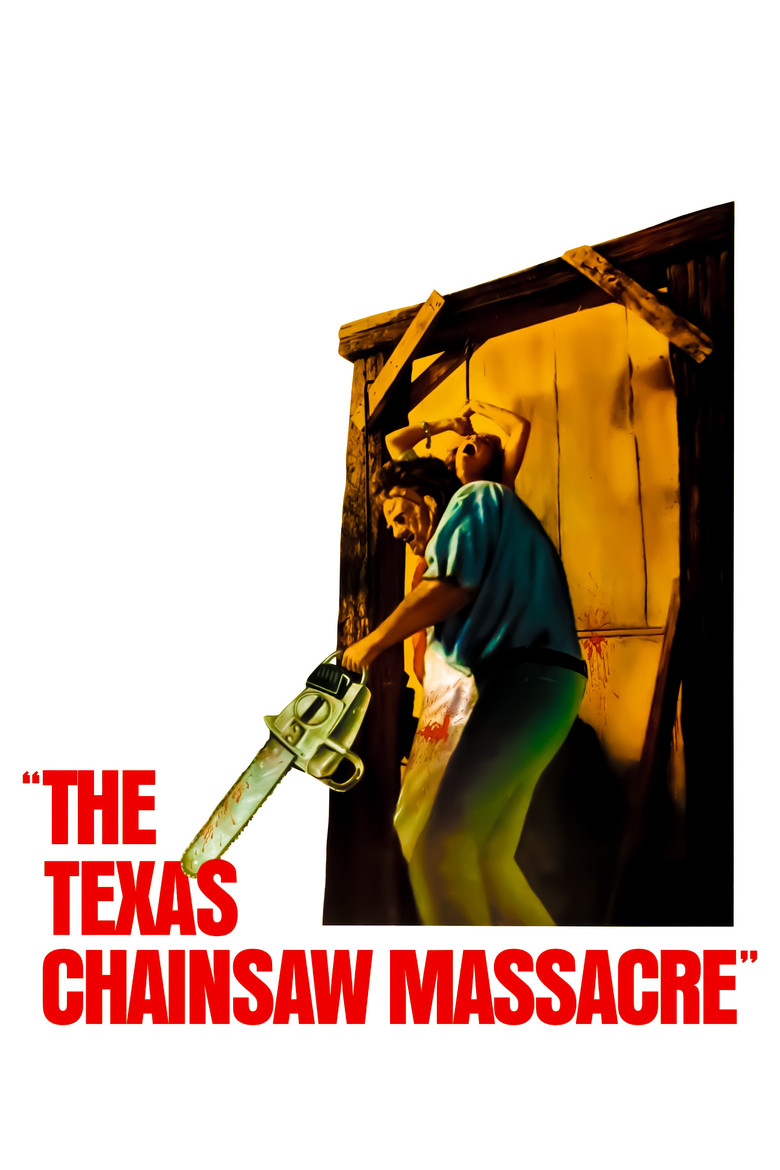
Cannibal Holocaust remains the unavoidable reference point, not because it is respectable, but because it understood how cannibal cinema could attack the viewer with fake anthropology, media cynicism, and extreme image violence all at once. The Texas Chain Saw Massacre is not a cannibal film in the strictest catalog sense, yet its rural nightmare and meat-processing logic loom over the subgenre. The Beyond touches a more supernatural register, but Lucio Fulci shares with cannibal cinema a fascination with flesh as something to be opened, consumed, and humiliated.
The directors associated with this territory are rarely elegant moralists. Ruggero Deodato weaponized realism. Lucio Fulci pushed disgust toward hallucination. Tobe Hooper made American rural horror feel like an abattoir with a family tree.
That is why cannibal horror remains difficult but important. It is a disreputable corner of the genre, full of exploitation's worst instincts, yet it exposes how quickly horror can turn cultural fear into a theater of consumption.