Slasher
About Slasher Films
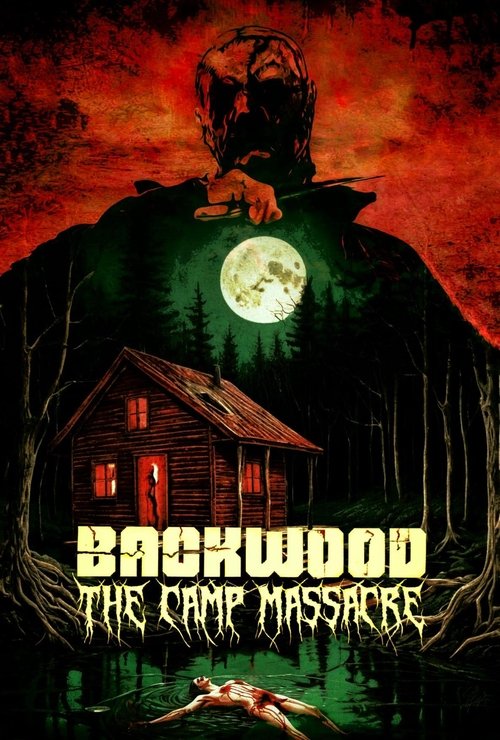
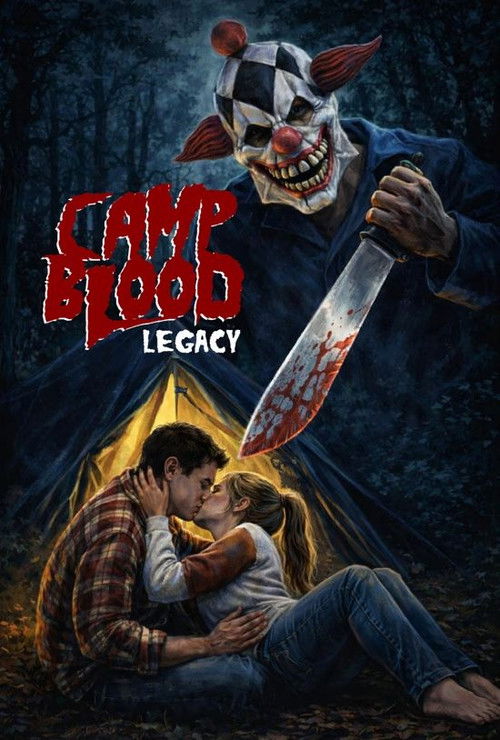
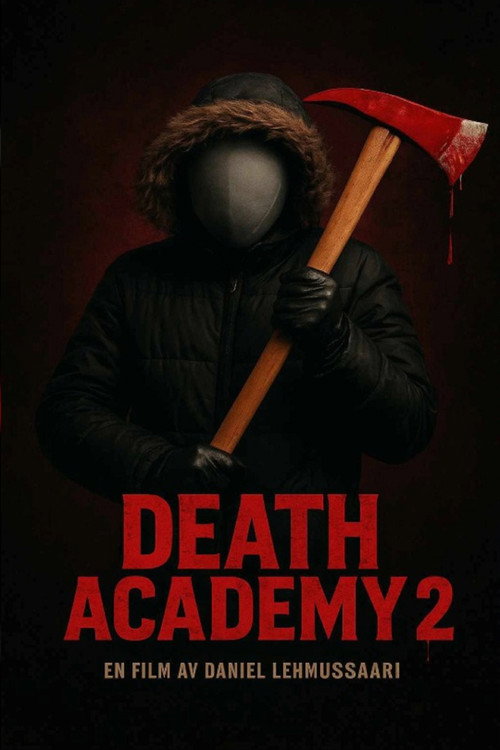
The slasher turned horror into pure rhythm. Stalking. Waiting. Impact. By the time Halloween arrived in 1978, the genre's basic machinery was already visible, but John Carpenter made it feel clean, modern, and brutally repeatable. After that, slasher horror movies became one of the few forms in American cinema that could run on suspense alone.
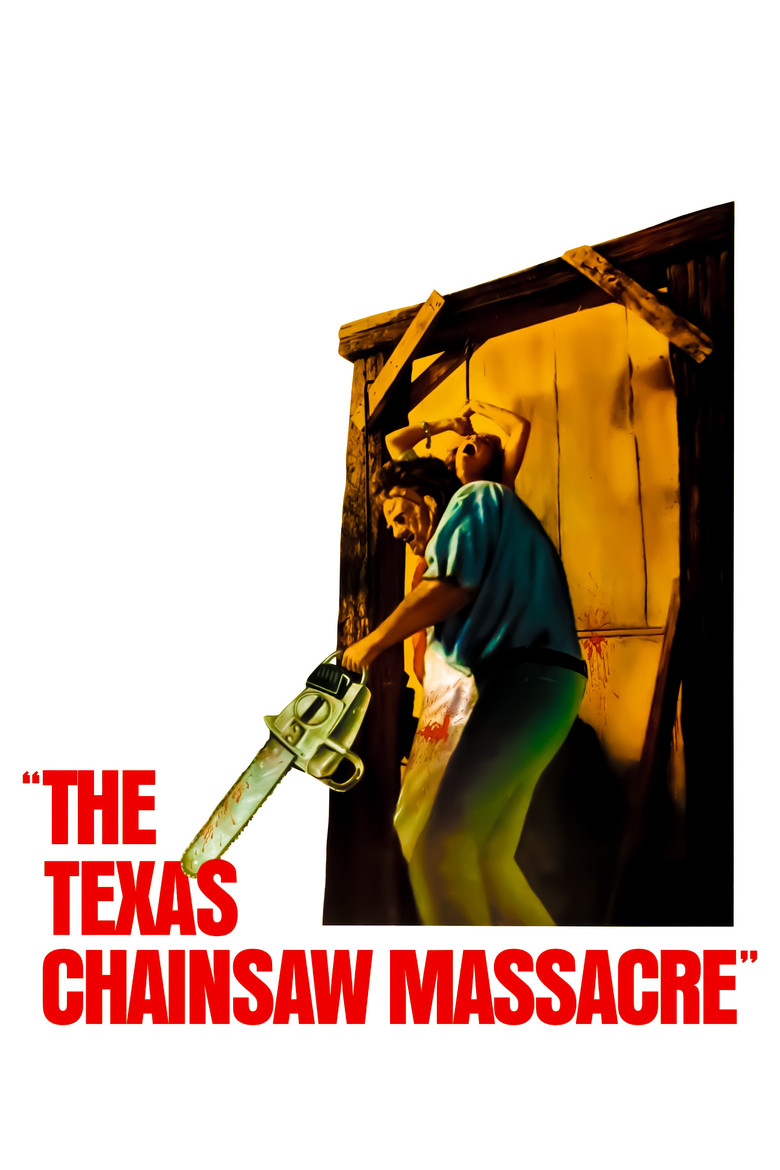
The roots are messier than the formula that followed. Black Christmas is crueler and stranger than most of its descendants, with its anonymous calls and poisoned holiday atmosphere. The Texas Chain Saw Massacre is not a textbook slasher, but its sweat, panic, and physical ugliness haunt the whole subgenre. Then the 1980s industrialized the body count. Friday the 13th made the setup modular. A Nightmare on Elm Street bent the form toward dream logic without losing the pleasure of the chase.
The major names matter because each one changed the rules. John Carpenter gave the slasher its icy precision. Wes Craven gave it elasticity, first with nightmare surrealism and later with Scream, which turned the subgenre inside out without breaking it. Tobe Hooper kept reminding American horror that murder should feel dirty, not decorative, and that even a slasher can bleed into the supernatural.
That is why the slasher still survives every supposed death. It is simple enough to mutate, cheap enough to reproduce, and sharp enough to tell each new generation exactly what it is afraid of.