
Western
About Western Films
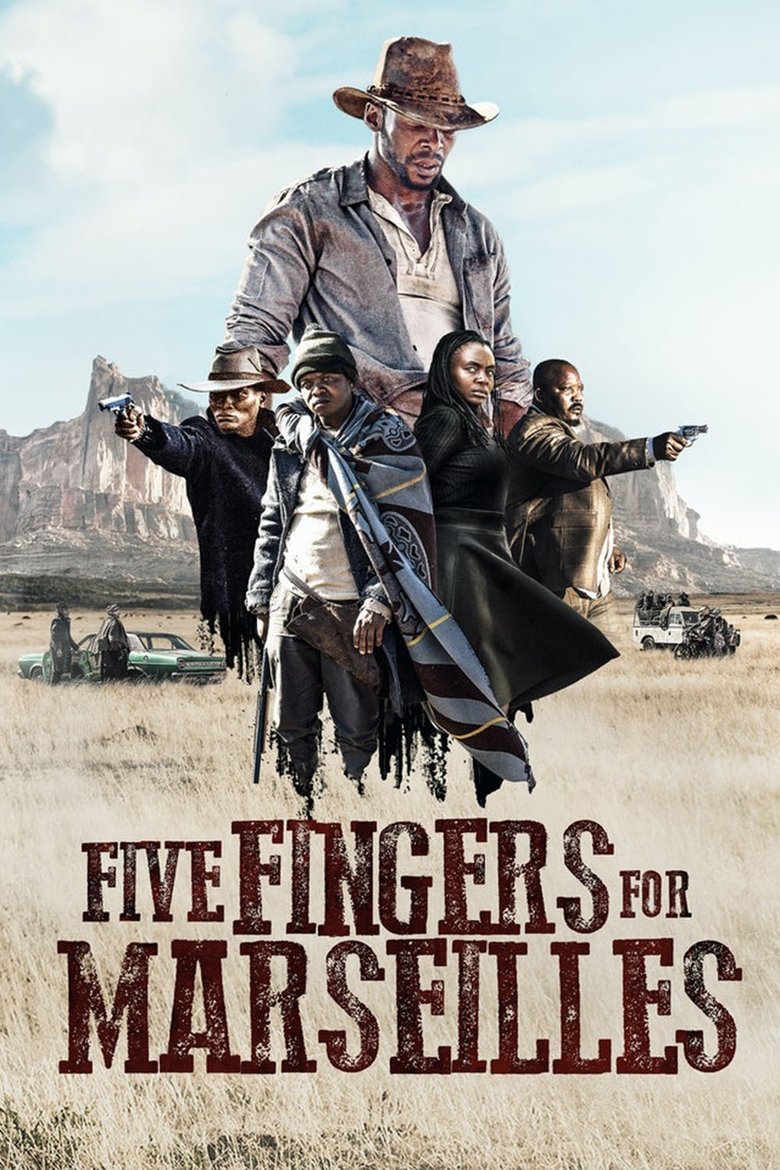
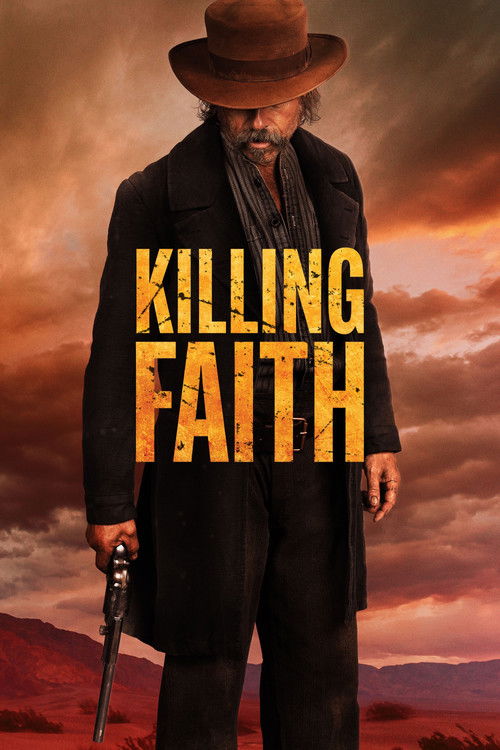
Western and horror belong together because both genres are obsessed with frontier conditions, only they evaluate them differently. The western traditionally imagines borderlands as spaces of testing, conquest, law-making, and masculine self-definition. Horror looks at the same spaces and asks what those myths had to bury in order to seem heroic. On CaSTV, the western tag matters because horror repeatedly returns to deserts, dust towns, frontier violence, isolated homesteads, mines, border crossings, and rider figures to reveal that the land and the stories built on it were never morally settled.
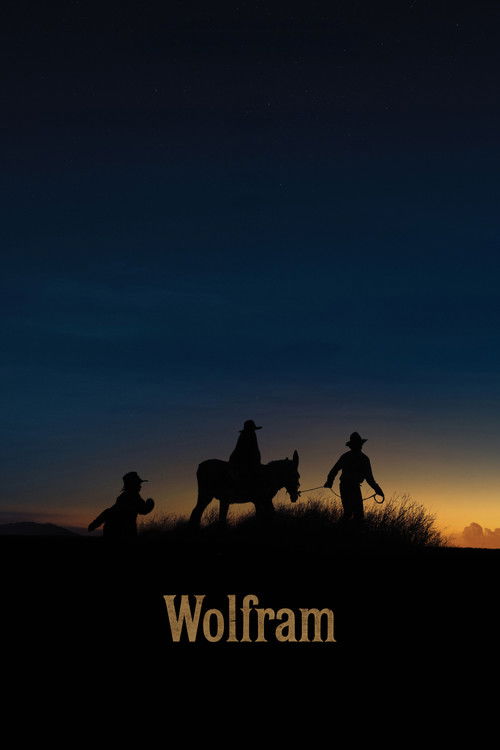
The overlap begins with exposure. Western landscapes are open, but openness is not safety. A rider seen from far away may be rescue or doom. A town may be community or a stage for public cruelty. A cabin can become a siege point. Water, distance, weather, and the absence of immediate institutional protection all turn frontier space into a pressure system. Horror loves this because survival is already tied to terrain before anything explicitly supernatural arrives.
This makes western a natural neighbor to Survival Horror, Action, Crime, Folk Horror, and Horror. Survival horror shares its concern with scarcity and exposure. Action contributes pursuit, gunfights, and mobility. Crime matters because frontier violence and outlaw economies are rarely far apart. Folk horror enters when landscape, settlement, ritual, and inherited belief begin to feel older and stranger than the characters' claims to ownership. The western is one of horror's best reminders that colonized space is already haunted space.
National context matters, though the form is strongly linked to the United States and Mexico. American western horror often interrogates settler mythology, masculinity, religious severity, and the illusion that law and violence can ever be cleanly separated. Mexican and borderland variations may bring stronger emphasis on colonial history, folk belief, Catholic imagery, and the dead as active presences within the land. In Italy, the spaghetti western tradition adds a harsher, more stylized relationship to landscape and cruelty that horror can exploit beautifully.
The body in western horror is usually treated as durable until it suddenly is not. Heat, thirst, infection, animal attack, gunshot trauma, starvation, and environmental attrition all make flesh feel brutally contingent. Add monsters, curses, vampires, cannibals, ghosts, or occult forces and the body becomes even less secure. This is why western horror often brushes against Body Horror or Cannibal Horror even when it remains primarily a frontier story. The land and the body are both pushed toward limit states.
Western horror also has a strong relationship to masculinity and ritualized violence. Duel structures, posse logic, revenge codes, paternal authority, and the performance of toughness all provide ready-made mechanisms for horror to corrupt. A sheriff may be impotent before the uncanny. An outlaw may discover that frontier freedom was always just another form of exposure. A patriarch may try to impose moral order on a landscape that recognizes no such order. Horror gains power by exposing how theatrical many western certainties already were.
The supernatural, when it enters, often feels less imported than revealed. The desert may already feel like a place where old stories survived conquest and simply waited. The abandoned mission, mine, grave site, or border crossing may carry residue that the dominant western myth was never equipped to read. This is where the tag frequently touches Folk Horror and Occult traditions. Frontier space looks empty only to people telling themselves the wrong story about it.
For CaSTV viewers, western should signal films where frontier settings, rider cultures, borderland violence, and the mythology of open land are central to the horror texture. It belongs beside Survival Horror, Action, Crime, Folk Horror, and Horror because those neighboring tags help explain whether the fear comes from terrain, history, social violence, or the uncanny.
Western horror remains essential because it understands that emptiness is often a lie told by conquest. The land remembers. The road isolates. The town performs civility over blood. The rider is not necessarily a hero. Horror does not have to dismantle the western from outside. It only has to let the genre's own buried anxieties speak at full volume.
Trending on CaSTV