

The 25 Best Western Horror Movies
Western horror is not a novelty crossover. It is the western finally admitting what it spent a century refusing to say: that settlement was a horror story shot in golden light with the sympathetic character holding the rifle. Every hybrid on this list depends on that admission, whether it arrives as a cannibal cave, a vampire drifter or a wind that will not stop.
The test we applied is simple. The frontier has to matter. A monster parked in a saloon set is not western horror; a film where the land, the distance, the weather and the theft are doing the frightening is. Films are ranked by how completely the two genres fuse rather than by budget or reputation, which is why a 1959 programmer sits alongside a Venice competition title and a Brazilian sertao siege.
Watch these free right now

How this list was built
We started from the five shapes the hybrid actually takes: the frontier as haunted ground, where the horror is what settlement did; the vampire western, running from a 1959 Universal programmer through to Bigelow and Rodriguez; the weird west and acid western, where the desert turns metaphysical; the Indigenous-perspective entries, structural here rather than decorative, because dispossession is the genre's foundation and not a subplot; and the Gothic western, all shadow, scripture and river country.
Excluded: revisionist westerns that are merely bleak, since grimness is not a horror engine; television, however good; and titles we could not verify to a director and a year, of which the euro-western fringe has plenty. Retitling is endemic in this territory, so where a film circulated under several names we list them all rather than pretending one is canonical.
This is not a best westerns ranking and it is not a folk horror ranking, both of which would pull in a different direction. It also stays clear of the site's studio-label and underrated-horror selections; anything that belongs on those lives there, and the overlap here is deliberately thin.
The films on this list

Near Dark 1987
Bigelow strips the vampire film of capes and hands it a pickup truck, a motel curtain and a sunrise that works like a firing squad. The bar massacre is still the most casually vicious sequence in 1980s horror.

Bone Tomahawk 2015
Zahler lets four men ride for two patient, beautifully written hours before delivering violence you cannot unsee. Its invented cave-dwelling cannibals drew serious criticism for recycling savage-tribe imagery, and that critique lands alongside the craft rather than cancelling it.
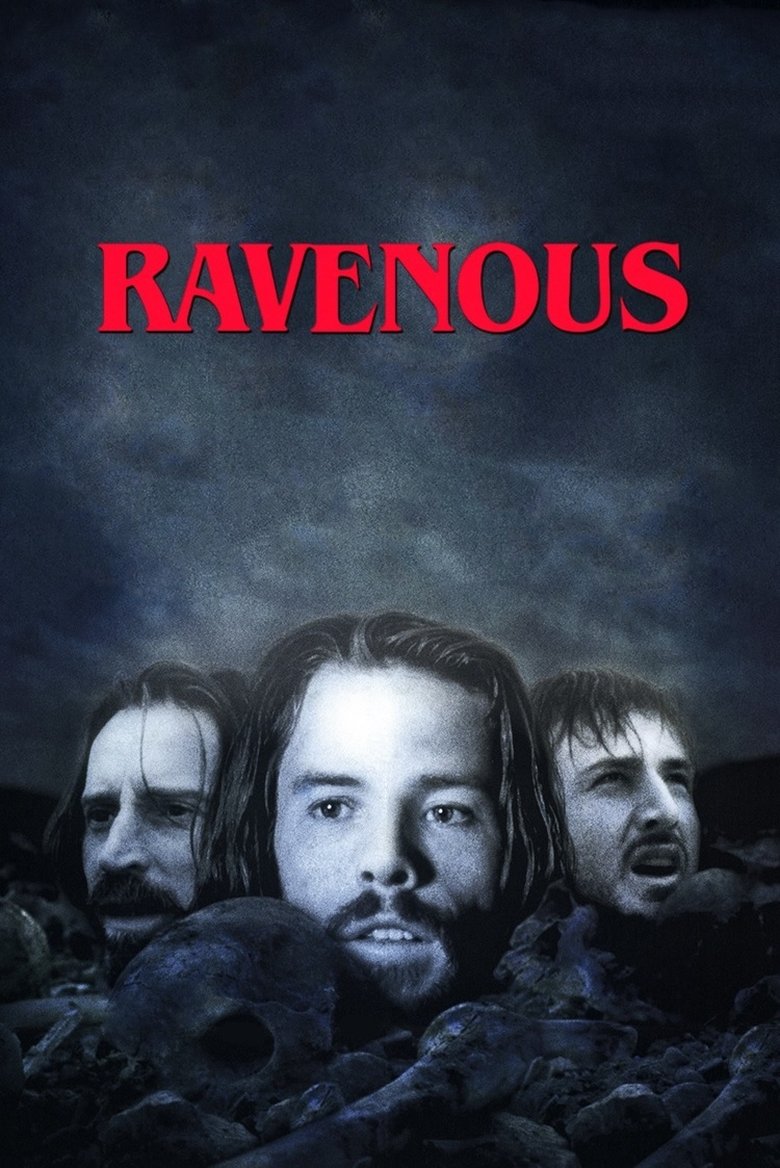
Ravenous 1999
Antonia Bird turns the Donner Party into a comedy of appetite, with Robert Carlyle playing cannibalism as manifest destiny with better table manners. The lopsided Michael Nyman and Damon Albarn score does half the unsettling.

The Wind 2018
Emma Tammi builds dread out of prairie isolation and a woman nobody believes, with the wind itself doing the scoring. Homestead horror where the nearest neighbour is a rumour and the nearest doctor is a season away.

From Dusk Till Dawn 1996
The hinge at the halfway mark remains the best structural prank in genre cinema: a crime picture walks into a border bar and comes out a vampire siege. Rodriguez treats the frontier as a mythological threshold with a strip-club sign on it.

The Night of the Hunter 1955
Laughton's only film as a director, and it wrote the American Gothic grammar the western horror strain still borrows: expressionist shadow over river country, a preacher with scripture inked on his knuckles.
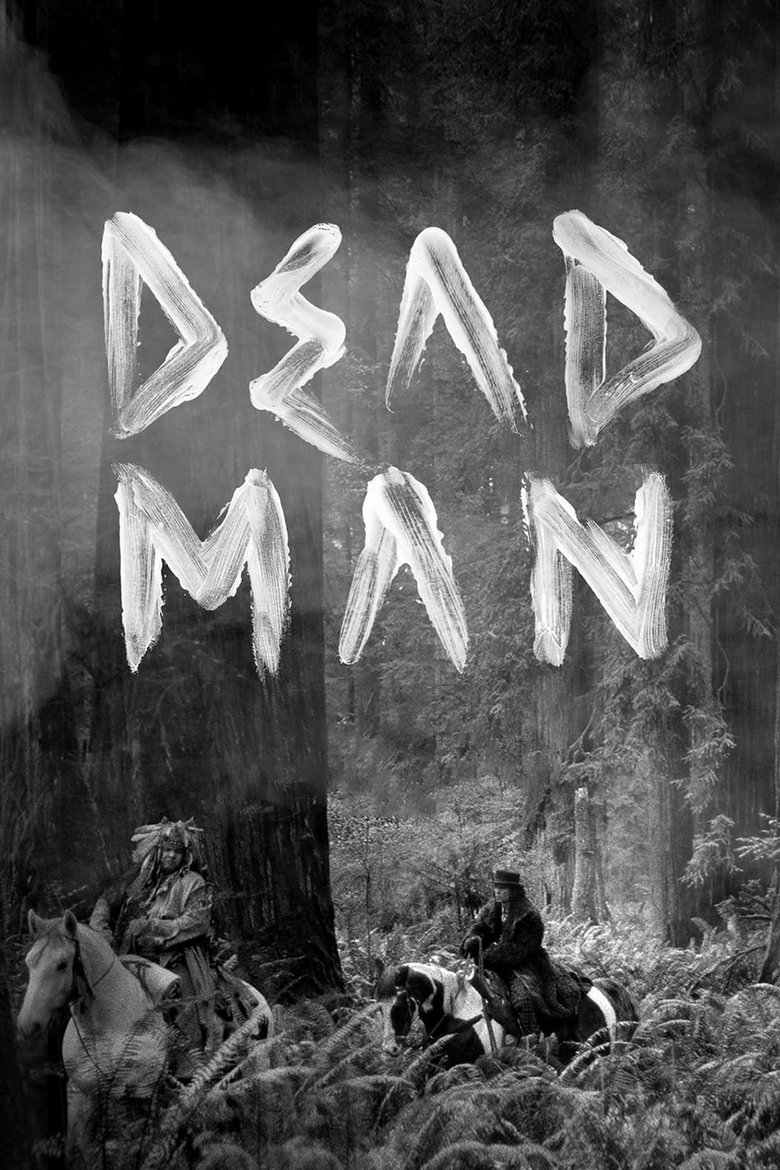
Dead Man 1995
Jarmusch films the west as a hallucinated passage toward death, Neil Young's guitar scraping the edges, Nobody escorting a bookkeeper who has already been shot. Acid western as funeral procession rather than quest.
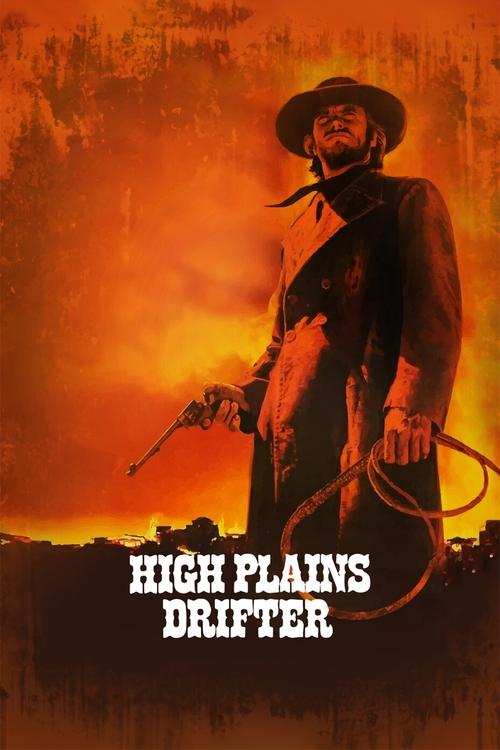
High Plains Drifter 1973
Eastwood plays a man who may not be alive, arriving in a town that earned its punishment, and has the whole place painted red before he burns it. The western at its most nakedly supernatural without ever naming the ghost.

Prey 2022
A Comanche hunter against an alien trophy hunter on the 1719 northern plains, and the film trusts her competence instead of explaining it to us. The full Comanche-language dub is the version to watch.
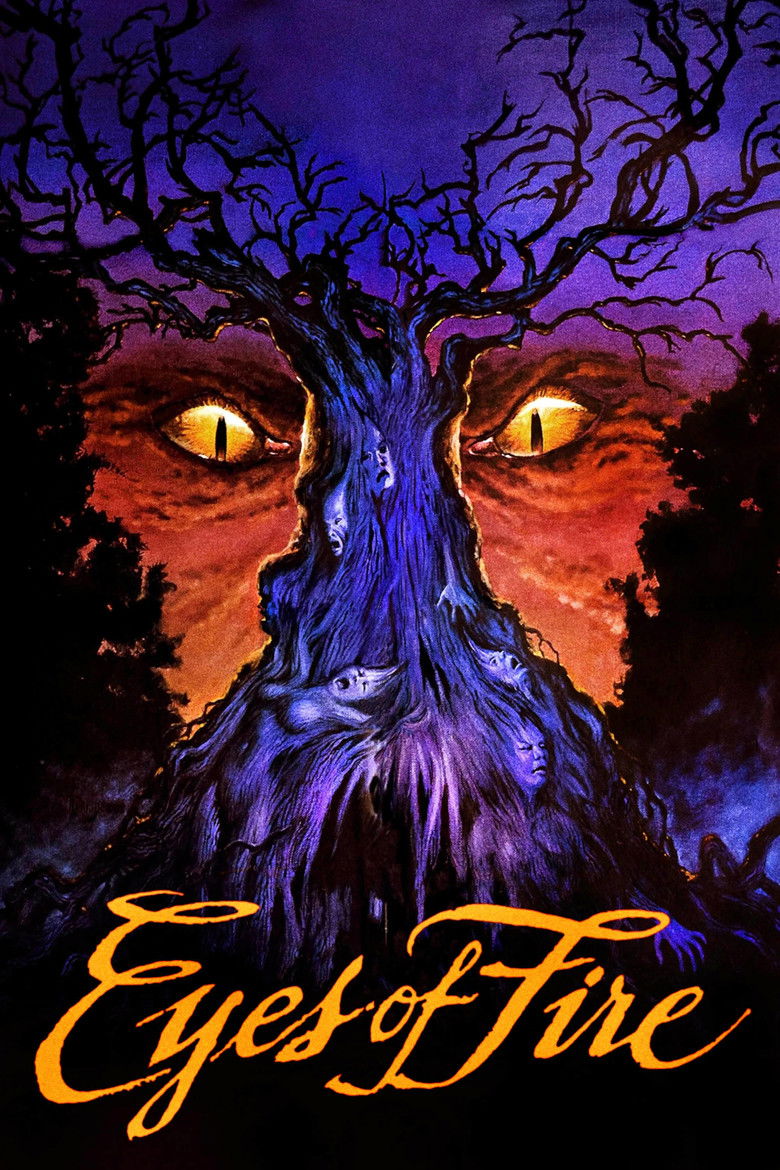
Eyes of Fire 1983
A banished congregation walks into a 1750 forest that is already occupied, and Crounse shoots it as a fever dream with faces in the bark. American frontier dread a full generation before anyone had a marketing term for it.
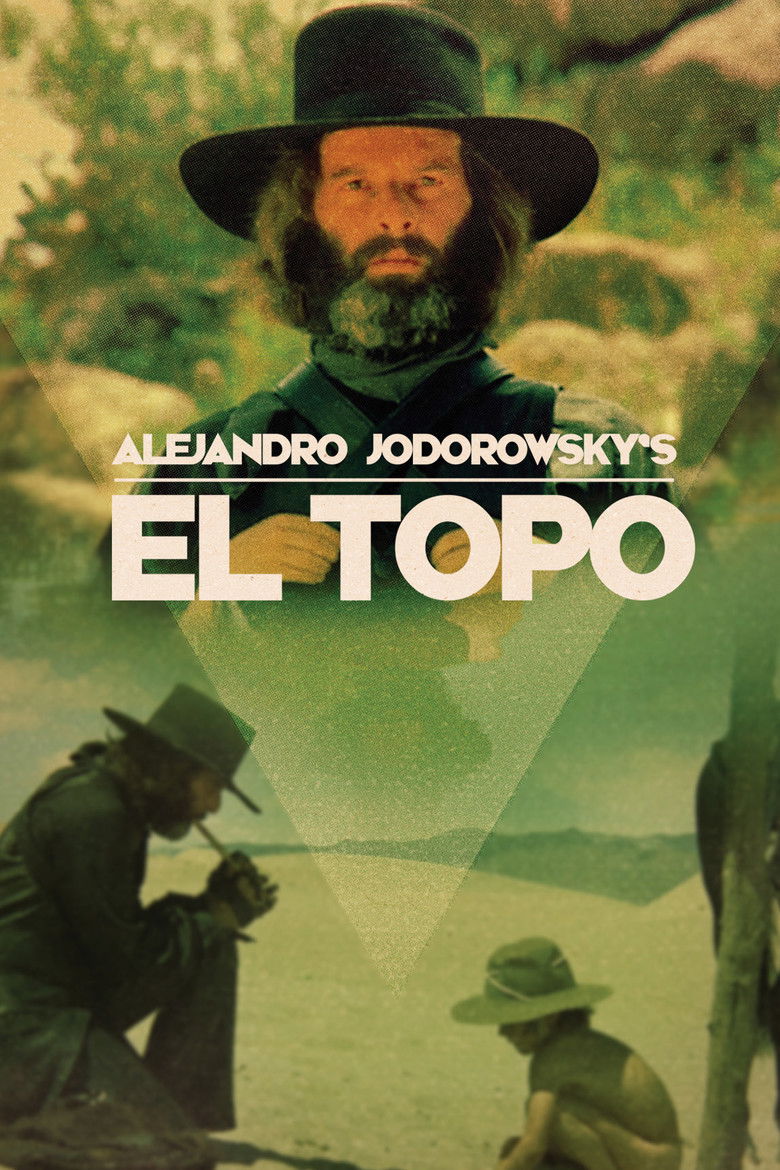
El Topo 1970
Jodorowsky's desert is a slaughterhouse and a sermon at the same time, gunfighter duels staged as sacraments and bodies mutilated with liturgical calm. Nobody sold it as horror; the sensation is entirely horror.

Dead Birds 2005
Confederate deserters hole up in an abandoned plantation after a bank robbery and find the house keeps its own accounts. Alex Turner shoots close and brown, and makes stolen money the actual source of the curse.
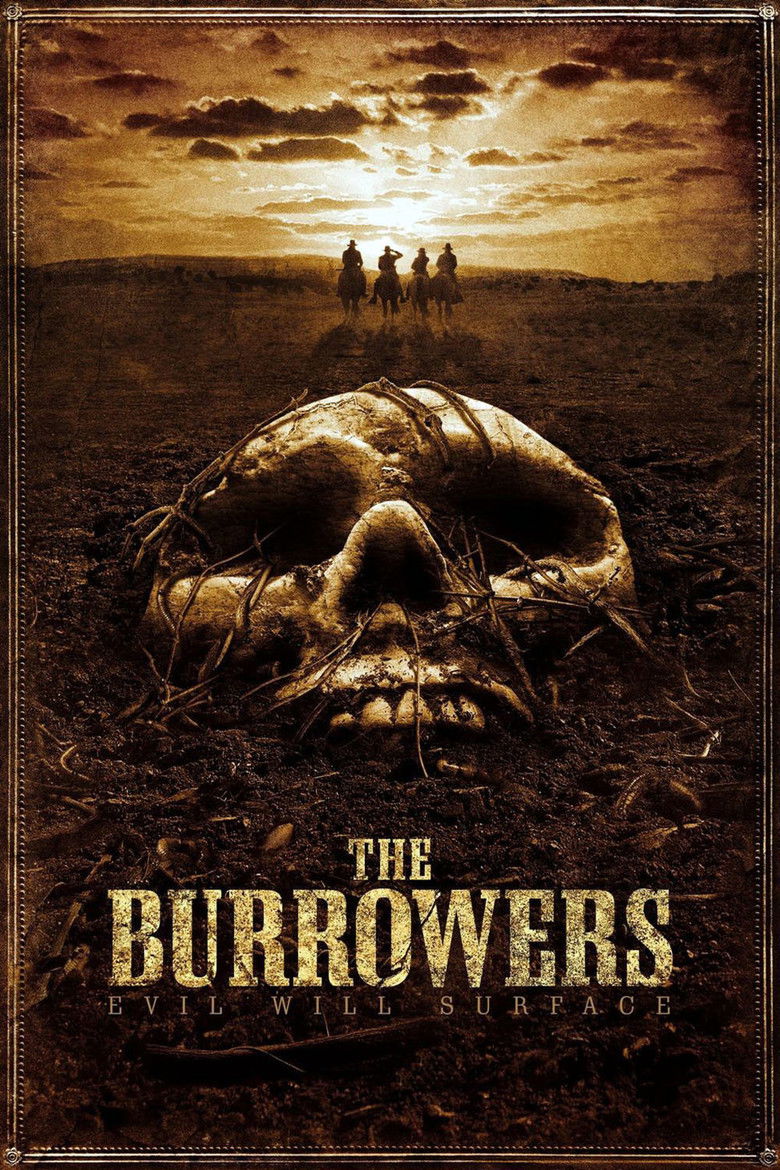
The Burrowers 2008
Petty's 1879 rescue party assumes Indigenous raiders took the missing settlers, and is wrong in a way that costs them everything. The creature comes from under the grass; the prejudice does the rest of the work.
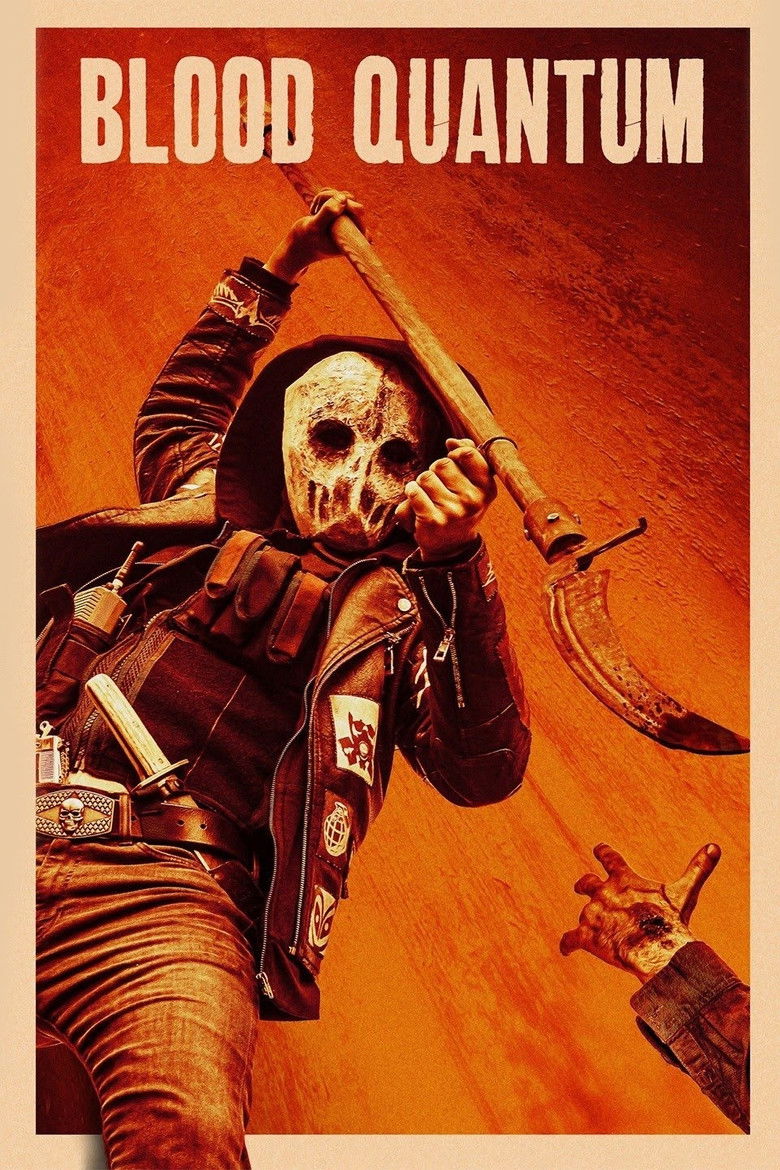
Blood Quantum 2019
Barnaby inverts the survival calculus: the Mi'gmaq of Red Crow are immune, the white refugees at the gate are not, and the reserve has to decide who gets through. Zombie film as sovereignty argument, cut like a blade.
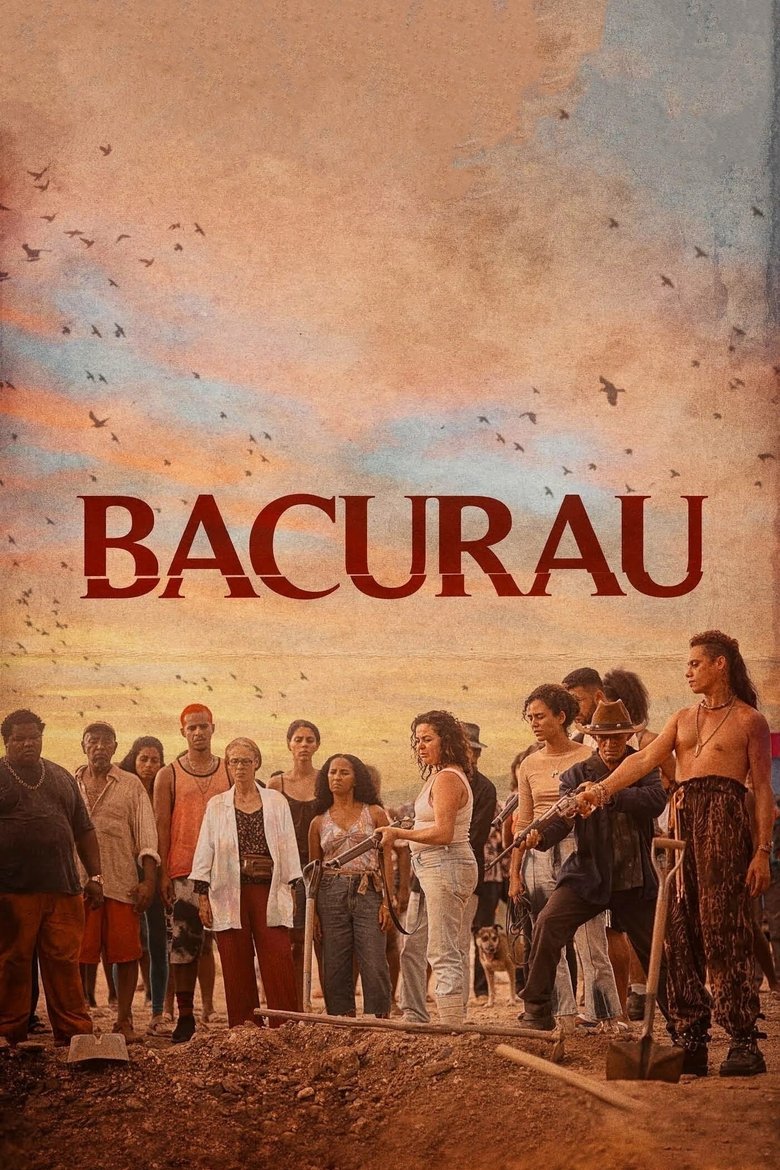
Bacurau 2019
A village in the Brazilian sertao is erased from the map, then hunted by foreign tourists with guns and a scoreboard. Mendonca Filho and Dornelles build their western out of Carpenter, Peckinpah and real land dispossession.

The Dark Valley 2014
An Alpine village run as private property by one family, a photographer who arrives with a rifle case, and snow that seals the exits. Prochaska proves the western horror grammar travels anywhere the law does not reach.

Antlers 2021
Cooper plants the wendigo in a dying Oregon mining town where the poisoning is economic long before it turns supernatural. Graham Greene gets the line that reframes the film as a story about extraction.
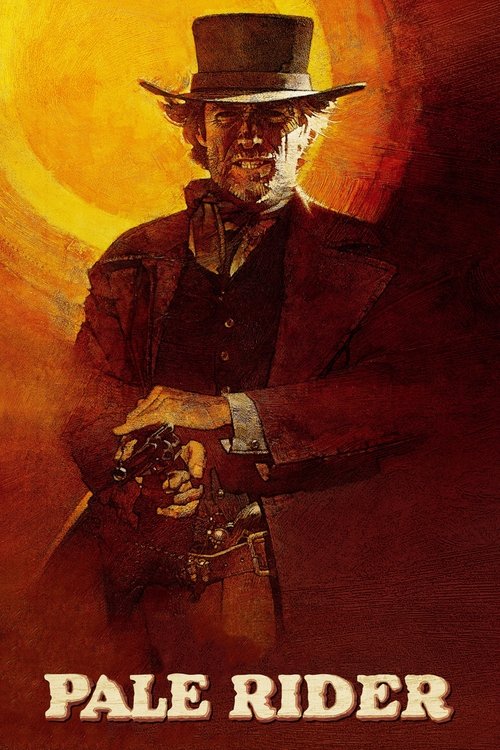
Pale Rider 1985
The Preacher rides into a hydraulic mining war carrying bullet scars no living man carries, with the Book of Revelation read aloud over his arrival. Eastwood's second pass at the avenging revenant, softer in daylight and colder underneath.

Django Kill... If You Live, Shoot! 1967
Questi runs on delirium: gold bullets cut out of a living body, a sadist with a gang in matching black, a town that lynches for entertainment. The most openly horrific film the Italian cycle produced.
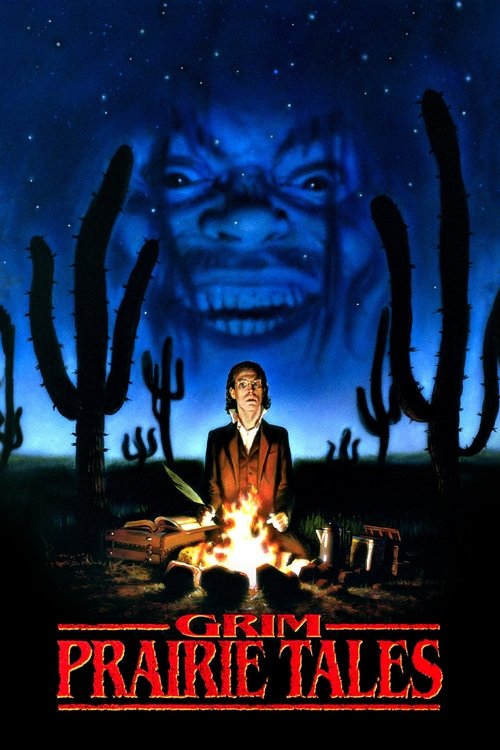
Grim Prairie Tales 1990
Two strangers trade horror stories over a campfire, James Earl Jones against Brad Dourif, and for once the anthology frame earns its keep. Cheap, mean, and far better built than its video-shelf reputation suggests.

Dust Devil 1992
Stanley makes the Namibian desert a hunting ground for a shapeshifter who needs murder to get home. Shot on real roads in real dust, it moves at the pace of a sandstorm and has been recut half to death since.
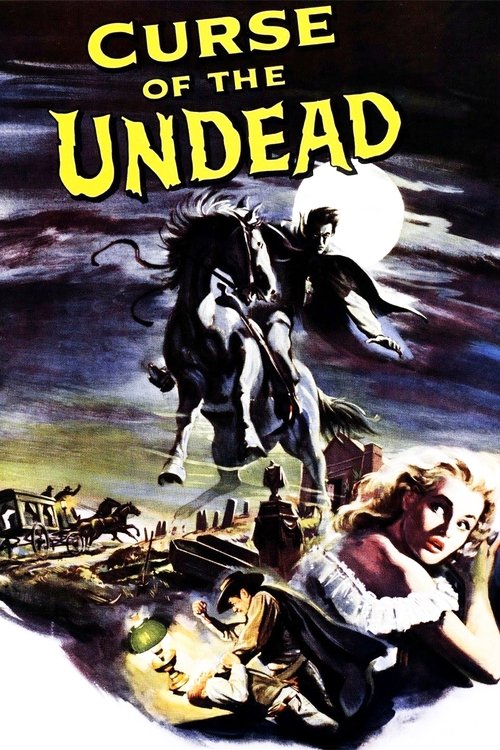
Curse of the Undead 1959
The first film to put a vampire to work as a hired gun, three decades before anyone called this a subgenre. Michael Pate's pale killer takes wages and cannot be shot, which is a very inconvenient problem for a western.

Tremors 1990
A Nevada nowhere town, two handymen and creatures that hunt by vibration: the monster movie rebuilt around working-class competence instead of screaming. The practical effects still read better than most digital ones.

Vampires 1998
Carpenter hands James Woods a winch, a flatbed truck and a Vatican contract, then films vampire hunting as day labour under the New Mexico sun. His most unapologetically western picture, cynicism fully included.

Sundown: The Vampire in Retreat 1991
A desert town of vampires trying to go clean on synthetic blood, David Carradine as their reluctant mayor, Bruce Campbell as a useless Van Helsing. The jokes are broad and the premise is genuinely clever.