

The 25 Best Cannibal Movies
Cannibal cinema is almost never about eating. It is about who gets designated as edible, and the answer changes with the filmmaker: the poor for Brian Yuzna, the colonised for Umberto Lenzi, the dead for Juan Antonio Bayona, the beloved for Claire Denis and Julia Ducournau. Rank the films by what they are actually arguing and the subgenre stops looking like one thing.
Search interest in the term still points almost entirely at the Italian cycle of 1972 to 1981, which is a small and heavily compromised corner of the field. Those films are here, ranked and described for what each one specifically does, because pretending they do not exist is worse than assessing them. But the honest list runs from Andes survival to Hong Kong Category III to art-house films where appetite is indistinguishable from love.
Watch these free right now

What the Italian cycle actually is
Two facts about that cycle have to be stated rather than implied. First, several of these productions killed real animals on camera, Cannibal Holocaust and Cannibal Ferox most notoriously, and Mountain of the Cannibal God alongside them. That is not censorship folklore; it is documented, it is why the films remain cut or banned in several countries, and Deodato himself later called it a mistake. It sits in the assessment of every film that did it.
Second, the cycle is built on colonial fantasy. White Italian crews travelled to South America and Southeast Asia to invent savagery for European audiences, casting real communities as set decoration for a story about civilised men undone by the jungle. Cannibal Holocaust is the one entry that turns this back on itself, making the film crew the predators, and it is a genuinely sharp move. The rest of the cycle simply believes the premise, and Eli Roth's 2013 homage demonstrated how badly it travels.
Everything after that is a different tradition and deserves its own reading. Hillbilly-horror families translate cannibalism into class and deindustrialisation. Survival films treat it as an ethical negotiation among equals. Class satires make the meal a diagram of who consumes whom. And the art-house entries use it as the plainest available image of wanting someone completely.
The films on this list

Cannibal Holocaust 1980
The cycle's summit and its own indictment: Deodato's film crew are the real predators, a sharper idea than the reputation allows. It killed real animals on camera and its jungle remains invented.
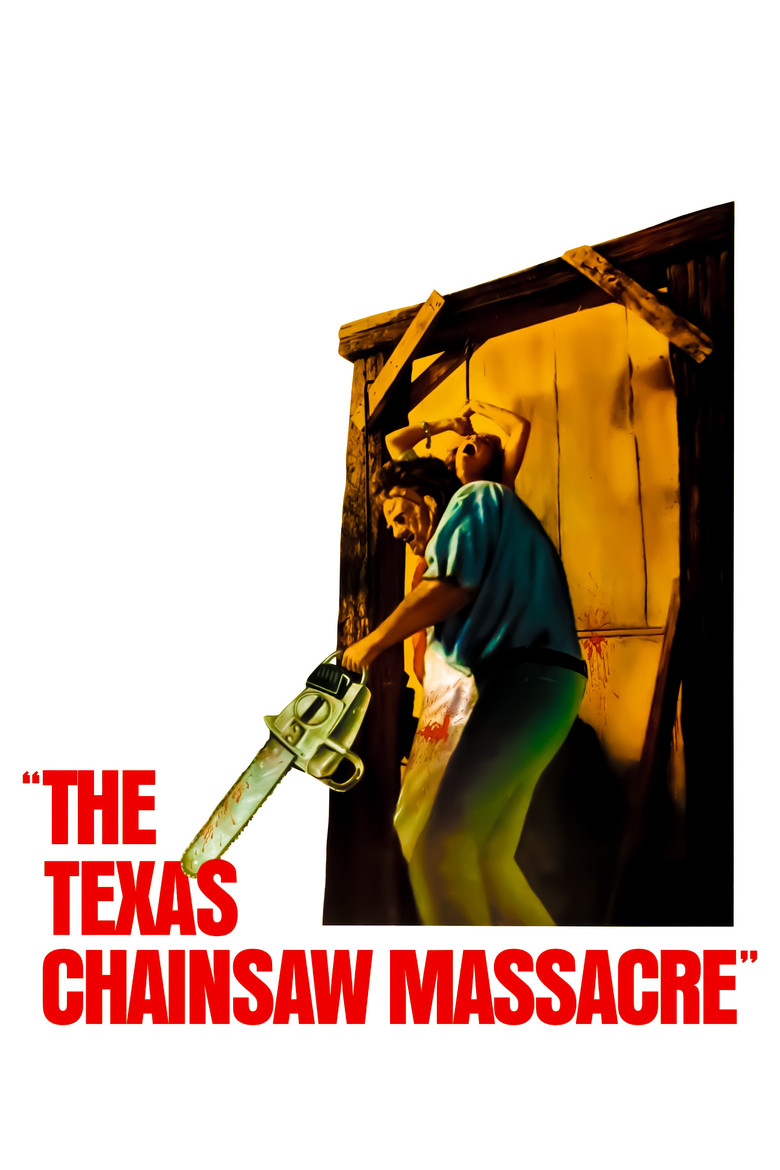
The Texas Chain Saw Massacre 1974
Hooper's family are slaughterhouse workers who lost the plant and kept the trade. The cannibalism is never shown, only deduced from the furniture, which is exactly why it still holds.

Raw 2017
Ducournau films appetite as adolescence: veterinary school hazing, a first taste, a family that already knew. Desire is the subject and flesh is only its vocabulary.

The Silence of the Lambs 1991
Lecter made cannibalism respectable at the Oscars by attaching it to connoisseurship. Demme's real subject is Clarice being looked at by every man in the film, including the camera.
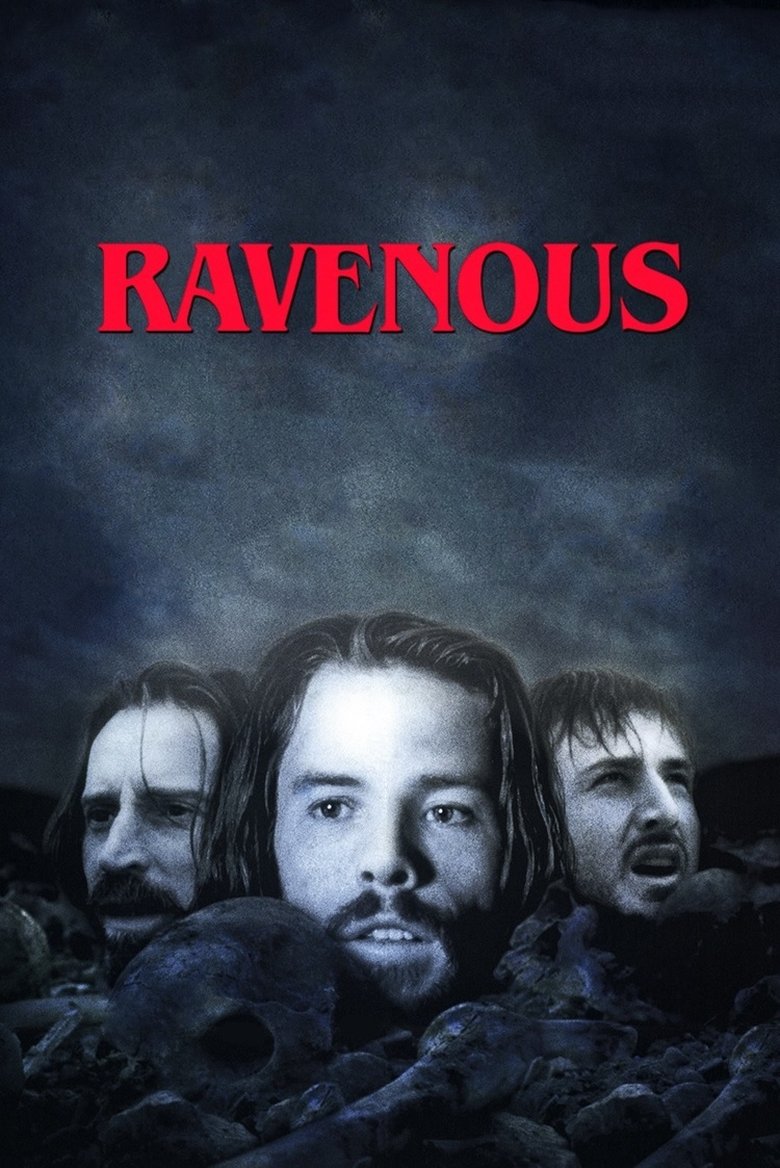
Ravenous 1999
Antonia Bird reads manifest destiny as an eating disorder: a frontier fort, the wendigo, an appetite that expands with the republic. Damon Albarn's score carries half the irony.

Society 1989
Screaming Mad George's shunting finale gives Beverly Hills its literal image, the rich absorbing the poor through the skin. Class satire that commits fully to its own figure of speech.

The Hills Have Eyes 1977
Craven sets one American family against another and lets the desert decide which is worse. His cannibal clan are nuclear-test collateral rather than folklore.

Cannibal Ferox 1981
Lenzi's answer to Deodato, sold in America as Make Them Die Slowly and assembled almost entirely from set-piece mutilation. Real animal killings again, and a jungle that is pure European fantasy.

Trouble Every Day 2001
Claire Denis treats cannibalism as a pathology of desire, filmed in long silences with Vincent Gallo and Béatrice Dalle. Almost no gore, and considerably more disquieting for it.

Bones and All 2022
Guadagnino turns eating into a road movie about finding others like you. Reagan-era America does the work of making appetite feel like a subculture rather than a pathology.

Delicatessen 1991
Jeunet and Caro's butcher runs a whole tenement economy on his tenants. The joke is bureaucratic before it is gruesome: rationing, rent, and meat supplied by the landlord.

The Untold Story 1993
Anthony Wong won a Hong Kong Film Award for this, which says something about Category III at its peak. Yau alternates police farce with the barbecue-pork restaurant killings, without transition.

Last Cannibal World 1977
Deodato's first jungle film and the one where the Italian formula sets: white surveyor captured, degraded, made feral. Cruder than Cannibal Holocaust and every bit as invented.

The Platform 2019
Gaztelu-Urrutia stacks a prison vertically and lets the food fall. Cannibalism arrives as arithmetic, the only outcome the building's design permits.

Dumplings 2004
Fruit Chan expands his Three Extremes segment into a feature about the beauty industry and what it costs. Here eating is quiet, domestic and strictly commercial.

Man from Deep River 1972
Lenzi crosses Mondo Cane with A Man Called Horse and fixes the template for everything after it: white outsider, tribal captivity, real animal footage. The cycle's original sin.

We Are What We Are 2010
Grau films a Mexico City family whose ritual outlives the father who enforced it. The horror is inheritance and precarity, never the meal itself.

Society of the Snow 2023
Bayona films the Andes crash from inside the fuselage and treats the decision to eat the dead as a collective ethical negotiation, which is what the survivors say it was.

Bone Tomahawk 2015
Zahler holds two hours of slow Western before delivering a single act of violence so specific it eclipses everything around it. His troglodytes are pointedly no real nation.

Slave of the Cannibal God 1978
Martino brings Ursula Andress into the cycle and gives it a star budget. Animals are killed on camera here too, and the ethnography is entirely a studio invention.

We're Going to Eat You 1980
Tsui Hark's early kung-fu farce about an island of cannibals owes the Italians nothing. Chases, cleavers, and satire aimed squarely at bureaucracy.

Doctor Butcher M.D. 1980
Girolami welds the cannibal cycle to the zombie boom, reusing Zombi 2's locations and cast. Shameless bricolage, and a precise map of what Italian producers were copying.
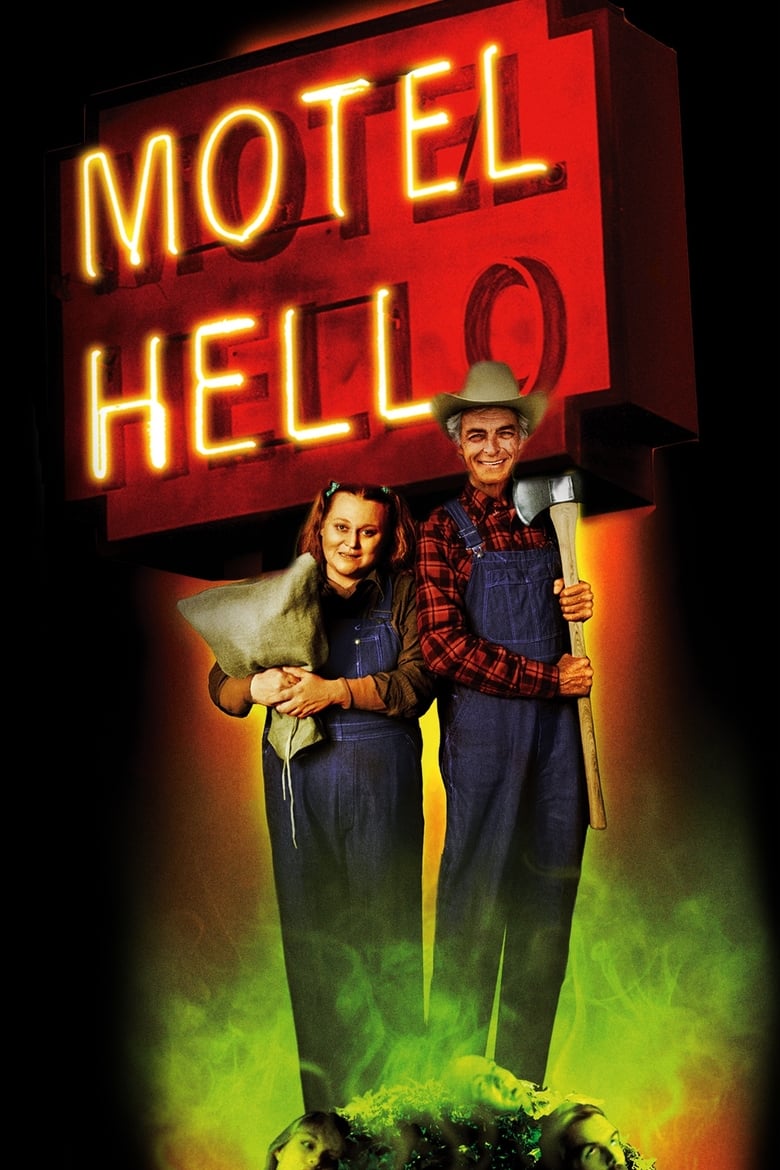
Motel Hell 1980
Connor plays American rural cannibalism as deadpan comedy: a smoked-meat business, a garden of buried guests, and Rory Calhoun keeping an entirely straight face.

Anthropophagous 1980
D'Amato's Greek-island grotesque, remembered for one notorious final act and for George Eastman. The rest is slow, and the slowness produces unease the film never planned.

The Cook, the Thief, His Wife & Her Lover 1989
Greenaway ends on forced cannibalism as a formal verdict, staged in colour-coded rooms and carried by Michael Nyman. Appetite as the working logic of power.