
International Film Festival of India
The International Film Festival of India, founded in 1952 and held annually in Goa since 2004, is the oldest and most prestigious film festival in Asia and the primary platform through which the Indian film industry engages with world cinema. IFFI, as it is commonly known, was established three years after India's independence as a deliberate act of cultural ambition - a statement that the new republic intended to participate in international cinema culture on its own terms.
The festival's early history involved multiple host cities, including Mumbai, Delhi, Kolkata, and Chennai, before Goa was established as the permanent home in 2004. Goa's selection reflected both its physical amenities and its identity as a place somewhat apart from the pressures of the major Indian metropolitan centres. The small state on the western coast, with its Portuguese colonial heritage, beach culture, and relatively relaxed atmosphere, provides a setting that facilitates the kind of informal networking and extended engagement that film festivals require.
The Golden Peacock award, IFFI's top competitive honour, is one of the most significant prizes in world cinema for the international feature film competition. Winning at IFFI carries meaningful prestige, and the jury - typically a mix of international film figures and Indian industry representatives - brings a perspective shaped by the enormous diversity of Indian film culture alongside international reference points.
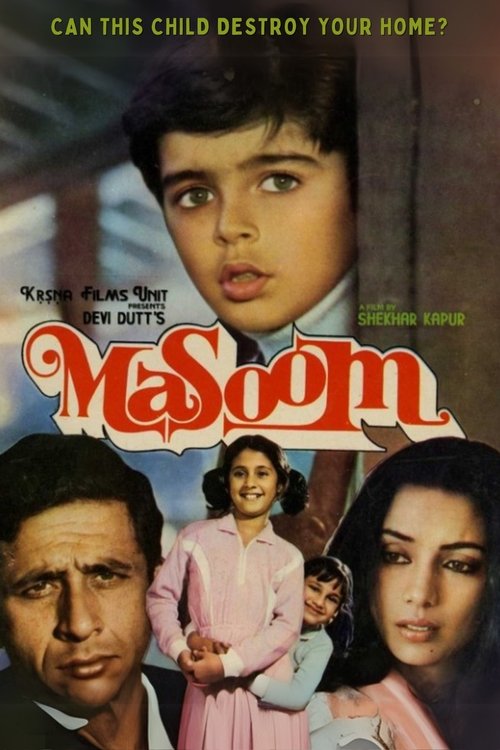
India's film industry is the world's most productive by volume, with Hindi-language Bollywood cinema representing only the most globally visible fraction of a filmmaking landscape that includes major industries in Tamil, Telugu, Malayalam, Kannada, Bengali, and dozens of other languages. IFFI provides a platform for the full range of Indian regional cinema alongside the commercial mainstream, introducing audiences to films that rarely travel beyond their home states even within India.
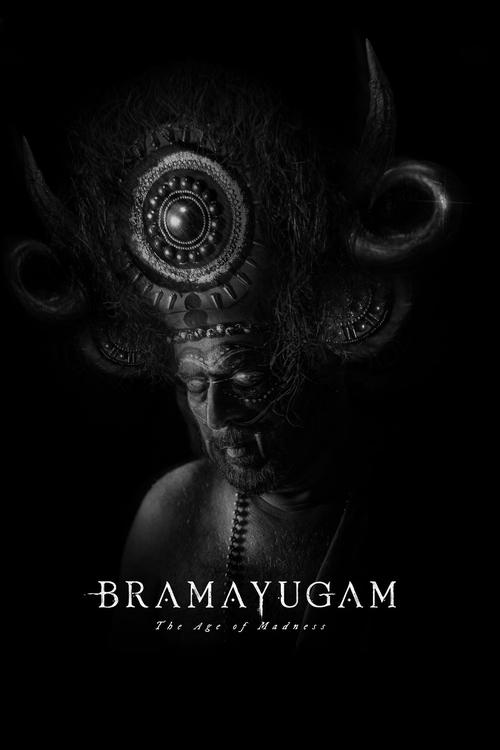
Indian genre cinema encompasses an enormous range of forms. Horror in Indian cinema draws on Hindu mythology, tantric traditions, supernatural belief systems, and folk horror traditions that differ substantially from both Western and East Asian horror conventions. Thriller and crime cinema has a long history in Bollywood and in regional industries. Fantasy drawing on epic and mythological sources operates at a scale that Western fantasy rarely matches. IFFI has shown work across these registers, presenting genre entertainments alongside art cinema in a manner that reflects the genuine diversity of Indian film culture.
The festival's Centenary Award for Indian Film Personality of the Year recognises major contributors to Indian cinema, and the accompanying retrospective programmes have traced the histories of various regional film movements and individual careers. These retrospectives serve an educational function, particularly for international guests who may be familiar with a small slice of Indian cinema.
The Indian Panorama section presents a curated selection of the year's best Indian films, chosen by a separate committee, and functions as a showcase of national production for both domestic and international audiences. Being selected for Indian Panorama carries professional recognition for filmmakers working in any of India's film industries.
International films in the main competition and in out-of-competition sections provide Indian audiences with access to world cinema that may not receive commercial distribution in the country. The festival's programming in this regard is genuinely valuable given the limited penetration of international art cinema into Indian commercial exhibition.
Industry events, co-production forums, and market activities accompany the public programme, reflecting IFFI's ambition to facilitate international engagement with the Indian film industry. As Indian production has attracted increasing international co-production interest, the festival has developed these industry functions alongside its cultural role.
After more than seventy years of operation, IFFI stands as an institution of genuine historical significance, a festival whose longevity reflects both India's enduring commitment to cinema culture and the irreplaceable role of an international platform in a country whose film industry is too large and too diverse to be fully visible without one.