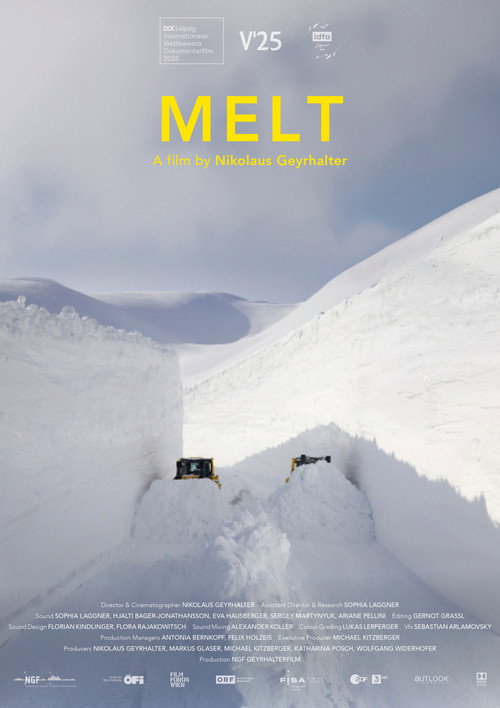
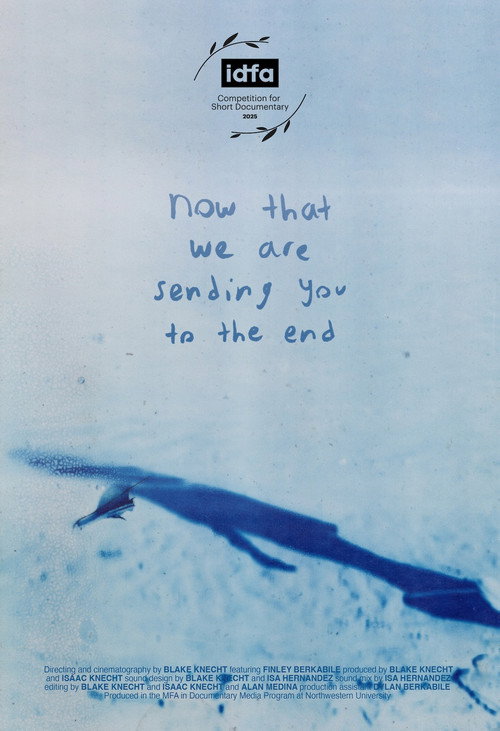
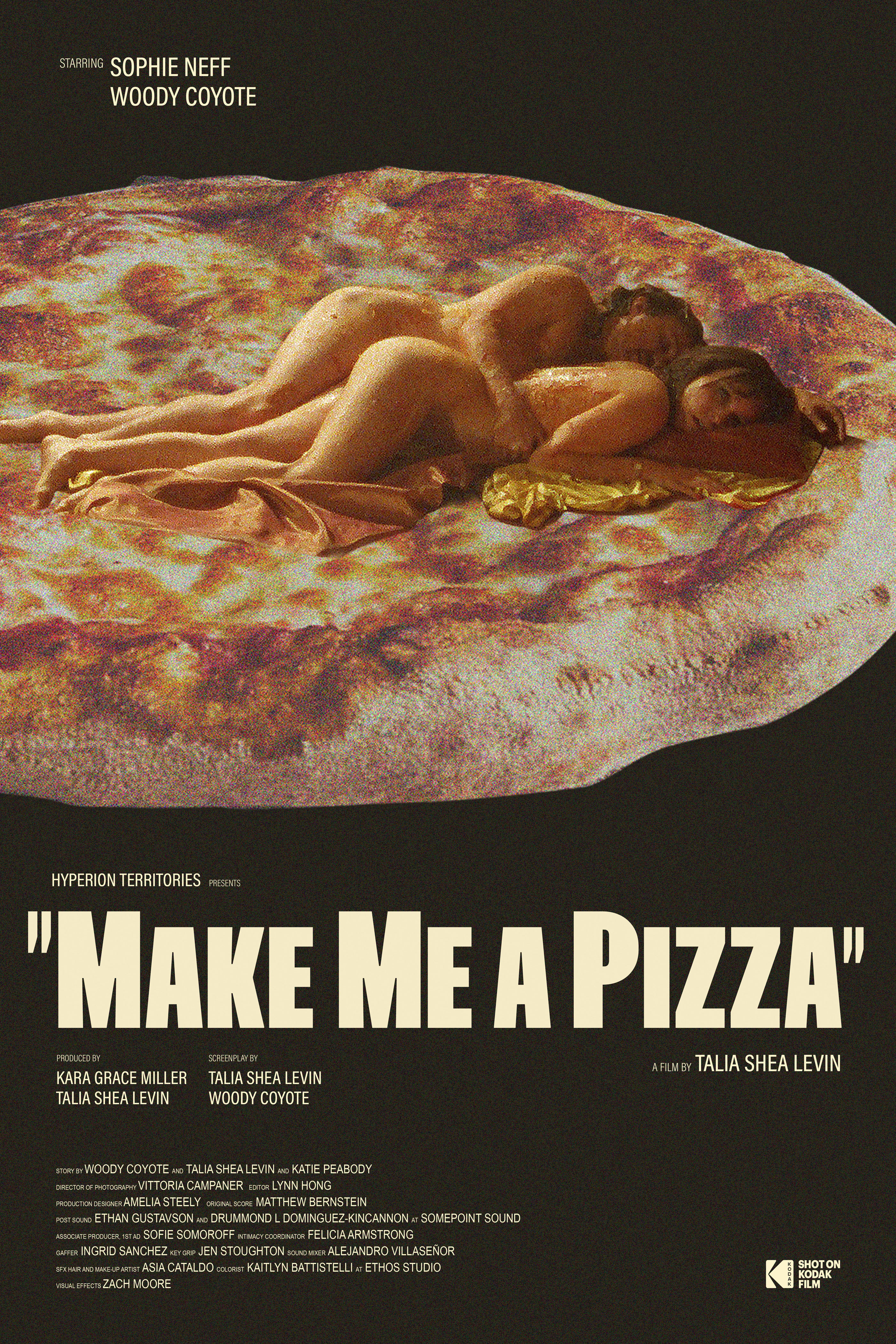
The International Documentary Film Festival Amsterdam - known universally as IDFA - is the largest documentary film festival in the world by attendance and submission volume, an annual event held each November in Amsterdam that has shaped how nonfiction cinema is financed, distributed, and discussed since its founding in 1988.
IDFA emerged from a period of intense renewal in European documentary practice. The founding director Ally Derks built the festival into a genuinely international marketplace for documentary cinema at a time when the form was being transformed by new lightweight camera technology, shifting broadcast economics, and a generation of filmmakers who brought personal and political urgency to nonfiction work. Over the following three and a half decades, the festival grew to screen hundreds of films annually across a dozen or more sections, drawing tens of thousands of visitors to its Amsterdam home in the Netherlands.
The competition structure at IDFA is elaborate and taken seriously by the documentary world. The IDFA Award for Best Documentary Feature is the festival's top prize, but parallel competitions for mid-length films, short documentaries, first appearances, and Dutch documentary keep the program from being dominated by feature prestige. The Audience Award, voted by attendees, regularly diverges from jury decisions in ways that reveal the gap between festival-circuit taste and viewer response.
For genre-cinema fans and the CaSTV catalog, IDFA presents a specific kind of value. Documentary and genre cinema intersect more than their institutional separation suggests. Films in the documentary form that explore true crime, institutional violence, cults, occult subcultures, exploitation history, or the lives of horror filmmakers have screened at IDFA alongside more conventional social-issue nonfiction. Crime documentaries with a noir sensibility - films about serial killers, criminal enterprises, or the mechanics of violence - appear regularly in the programming. Experimental nonfiction that blurs the line between documentation and construction has always had a home here.
The festival has been particularly notable for its engagement with films about political extremity and atrocity, subjects that frequently overlap with the history of exploitation cinema's own engagement with war, genocide, and systemic violence. Several documentaries about the history of shock and exploitation filmmaking have screened at IDFA, and the festival's willingness to engage with disturbing material has given it a different character than more decorous nonfiction events.
IDFA Forum, the festival's industry arm, is among the most important documentary co-production markets in the world. Projects in development are pitched to broadcasters, distributors, and funds from across Europe and beyond, with deals regularly struck that determine which documentaries get made. The Forum operates alongside the festival screenings and draws a professional audience distinct from the general public attending films.
DocLab, IDFA's interactive and immersive media strand, has grown from a sideline into a central program. It covers documentary work in virtual reality, installation, games, and web formats, making IDFA one of the few major festivals to treat expanded documentary as a primary concern rather than an afterthought. This has attracted a different generation of practitioners to Amsterdam and broadened the conversation about what documentary evidence and argumentation can look like.
The festival takes place across multiple venues in Amsterdam's city center, including the Eye Filmmuseum, the Tuschinski theater, and several others. The city itself is well suited to the event - a dense, walkable urban environment where a documentary film culture can exist at street level rather than being bussed between resort venues.
IDFA's relationship with horror and genre cinema is tangential rather than central, but not absent. Films about the history of horror, profiles of genre directors, and nonfiction explorations of fan subcultures have appeared in the program. More significantly, the festival's commitment to films about violence, surveillance, propaganda, and social control gives it a thematic proximity to genre concerns even when the formal frame is conventional documentary. A horror filmmaker doing research in political documentary would find IDFA's archive instructive.
Accreditation is competitive for industry professionals. Public tickets are available for most screenings and sell out quickly for high-profile entries. The festival's IDFA on Tour program takes a selection of titles to Dutch cinemas following the main event, extending the reach of the Amsterdam program into regional audiences.
 CPH:DOX
  International Film Festival Rotterdam
  Hot Docs Canadian International Documentary Festival
  Toronto International Film Festival