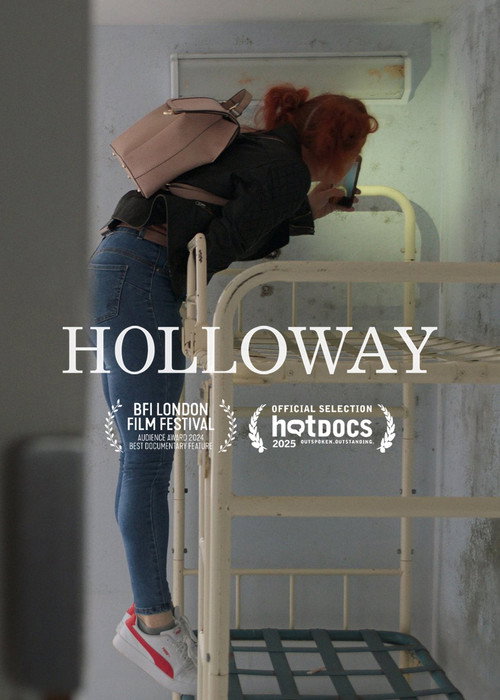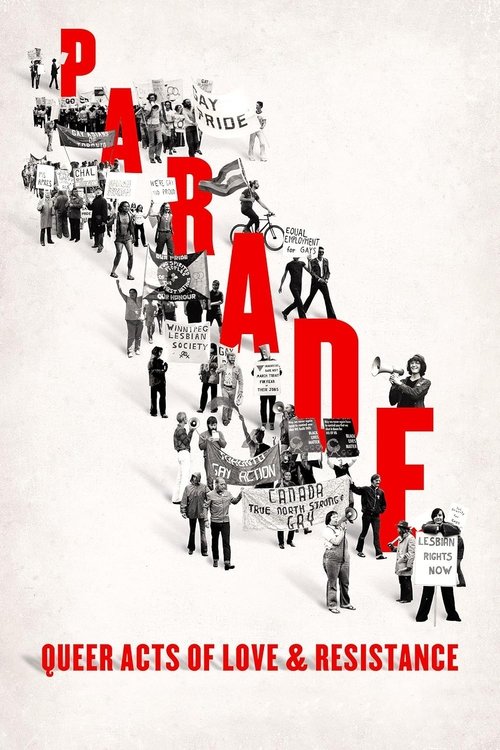

Hot Docs Canadian International Documentary Festival
Hot Docs Canadian International Documentary Festival is the largest documentary festival and market in North America, founded in Toronto in 1993 and now the primary competitive platform for documentary cinema in Canada and one of the most influential in the world. What distinguishes Hot Docs from comparable documentary festivals is the combination of a prestigious competitive section, a major industry market running concurrently, and a genuine year-round institutional presence through the Hot Docs Ted Rogers Cinema, a dedicated documentary cinema in Toronto's Annex neighbourhood that operates beyond the festival period.
Held each April and May across multiple venues in Toronto, the festival screens several hundred films drawn from thousands of submissions, with a programming philosophy that prioritises formally adventurous, politically significant, and emotionally demanding documentary work. The competitive section includes the Grand Jury Award for best international feature documentary, the Rogers Best Canadian Documentary Award, and prizes in multiple categories including short documentary, special presentations, and emerging filmmakers.
The Hot Docs Forum and the Hot Docs Deal Maker, the festival's industry market events, bring together documentary filmmakers with broadcasters, distributors, streaming platforms, and co-production partners from across the world. The Forum - a live pitch event in which documentary projects in development are presented before panels of commissioning editors and financiers - is among the most closely watched industry events in the documentary world, and projects pitched there regularly secure financing and broadcast commitments that allow them to be completed.
For genre-cinema audiences, Hot Docs is relevant across several specific registers. Documentary is a recognised genre cluster in the CaSTV catalog, and the overlap between documentary filmmaking and genre subject matter is extensive. True crime documentary - which draws on the formal registers of the crime genre and the thriller - has been a major documentary form since at least the 1980s and appears regularly in Hot Docs programming. Documentaries about horror filmmakers, the production history of genre films, the sociology of horror fandom, and the cultural significance of exploitation cinema have all appeared in the festival's selections over its history.
Canadian documentary has its own tradition in confrontational, formally experimental, and politically charged filmmaking that has roots in the National Film Board of Canada's mid-twentieth-century productions and continues through independent documentary makers working today. That tradition occasionally intersects with genre - documentary approaches to violence, extreme experience, and social transgression can produce work that operates in registers adjacent to horror or psychological-horror without claiming those genre labels explicitly.
The festival's Docs for Schools program, which brings documentary screenings to student audiences, and its Hot Docs Community Fund, which supports Canadian documentary production with community significance, reflect the festival's roots in a public-service model of documentary practice. These programs extend the festival's reach beyond the film industry and the dedicated cinephile audience into broader civic life.
Toronto's position as Canada's largest city and its media and cultural production centre makes it an appropriate home for the country's largest documentary festival. The city's existing infrastructure - production companies, broadcasters, post-production facilities, and a large arts audience - supports a festival of Hot Docs' scale in ways that smaller Canadian cities could not. The presence of the Canadian Broadcasting Corporation, the National Film Board, and a substantial community of independent documentary producers in the city means the festival has a natural institutional constituency.
Hot Docs operates with a genuine commitment to documentary cinema as a distinct art form with its own formal possibilities, rather than treating it as a lesser category subordinate to fiction filmmaking. That orientation - and the scale and seriousness with which it executes its mission - makes it indispensable context for understanding documentary cinema internationally.