
DOXA Documentary Film Festival
DOXA Documentary Film Festival is the leading documentary film event in Western Canada, held annually in May in Vancouver, British Columbia, and founded in 1998 by a collective of filmmakers and cultural workers who wanted to create a rigorous, politically engaged platform for non-fiction cinema on the Pacific coast. In the more than two decades since its founding, DOXA has established itself as a festival of genuine curatorial ambition, programming work that other documentary events might find too politically challenging, too formally unconventional, or too focused on subjects outside the mainstream of international non-fiction discourse.
The festival's name - from the Greek for "opinion" or "common belief" - signals its intellectual orientation: DOXA is interested in how knowledge is constructed, how narratives are formed, and how documentary itself participates in the production of truth. This epistemological seriousness distinguishes it from festivals that treat documentary primarily as journalism or social advocacy, though DOXA certainly programmes both. The festival is, in its deepest intention, a place where questions about the documentary form itself are as important as the subjects those documentaries address.
Screenings take place at venues across Vancouver, Canada, including the Vancity Theatre and other accessible community spaces. DOXA's commitment to community engagement goes beyond the choice of venues: the festival runs programmes for youth, organises discussions with local activists and community organisations alongside screenings, and maintains partnerships with social justice organisations that extend its reach beyond the conventional film audience.
The programme at DOXA spans international and Canadian documentary, with particular attention to work from Latin America, Africa, and Southeast Asia that receives little attention at the larger North American documentary festivals concentrated in Toronto and New York. This programmatic openness to non-Western documentary is not merely tokenistic: DOXA has built genuine relationships with filmmakers and organisations from across the world and programmes their work in competition contexts where it is evaluated on the same terms as films from Europe or North America.
Canadian documentary has a special place in DOXA's programme. British Columbia's documentary culture is active and distinctive, with filmmakers working on subjects including Indigenous land rights and sovereignty, resource extraction and environmental conflict, Pacific Rim migration, and the specific political economy of the coastal West. DOXA has been the festival where this work finds its most attentive local audience, and the festival has in return been shaped by the concerns of the community it serves.
For genre cinema viewers, DOXA is relevant through its programming of documentary work that occupies border territory with thriller, crime, and horror. True crime documentary, investigative films about systemic violence, and non-fiction work that uses the formal tools of psychological-horror - sustained tension, withheld information, the slow revelation of something terrible - appears in DOXA's programme with regularity. The festival has no interest in genre for its own sake, but it is genuinely interested in the formal and political dimensions of non-fiction filmmaking, and these lead it toward territory that genre cinema has always claimed.
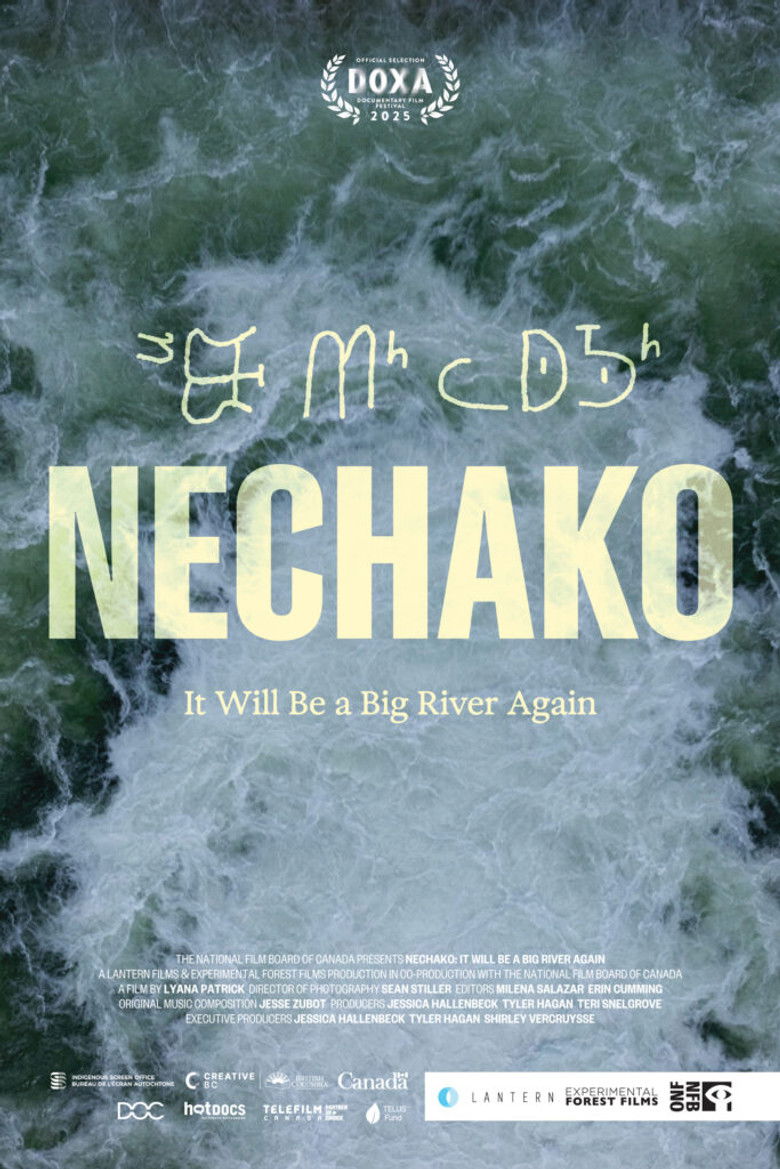
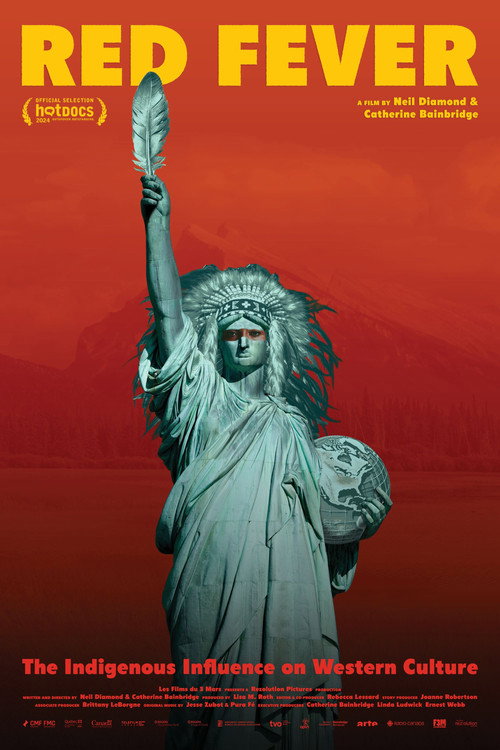
Indigenous cinema, including work by First Nations filmmakers from Canada and internationally, has been an important strand of DOXA's programming. This work often engages with colonial violence, intergenerational trauma, and the legacies of historical atrocity in ways that share formal and emotional territory with horror and psychological-horror - not as genre play but as the most accurate representation available of experiences that have been systematically erased from mainstream documentary.
Experimental documentary is also a recurring presence in the DOXA programme. Films that use non-fiction material in formally radical ways - found footage work, films that observe a single location across extended time, hybrid pieces that stage scenes while claiming documentary status - appear in the programme and are taken seriously by DOXA's curatorial team and its audience. This openness to the experimental keeps DOXA's programme alive to the most challenging work in contemporary non-fiction filmmaking.
 Hot Docs Canadian International Documentary Festival
  Montreal International Documentary Festival
  Calgary International Film Festival
  International Documentary Film Festival Amsterdam