Indonesia
Indonesian horror feels thick with ritual. Religion, family hierarchy, village memory, and the traffic between the living and the dead remain active pressures inside the genre rather than ornamental background. That is why the current Indonesian wave hits so hard. It updates old spiritual dread without flattening it into generic jump-scare machinery.
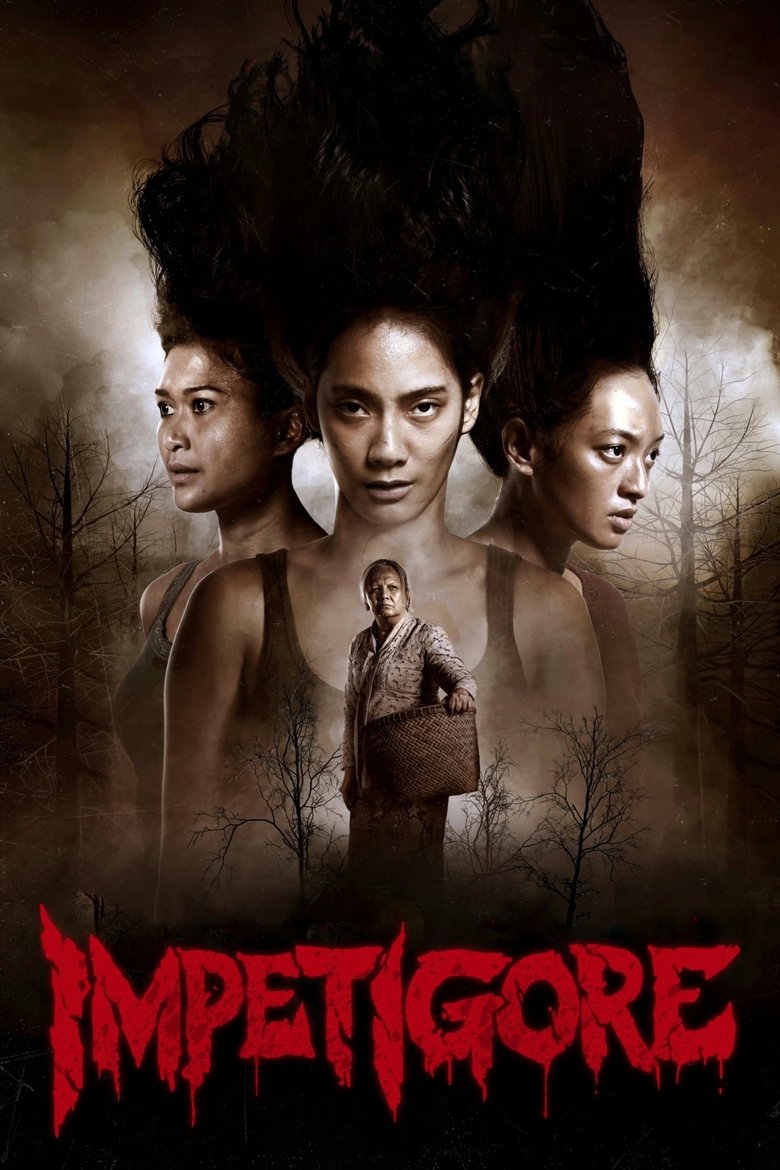
Satan's Slaves is the obvious modern gateway because it reconnects contemporary audiences with an older national tradition of haunted households and inherited curse logic. Impetigore pushes village horror, lineage, and bodily threat into one of the strongest recent folk-inflected nightmares. May the Devil Take You gives the revival a nastier possession charge, while The Queen of Black Magic reminds you how deep the local exploitation and occult line already runs.
The key directors are Joko Anwar, Kimo Stamboel, and Timo Tjahjanto. Indonesian horror matters now because it has rebuilt national genre confidence at scale. It can be devout, brutal, folkloric, and commercial all at once, which is a harder balance than it looks.
Country pages also help resist the usual funnel of horror history, where a handful of dominant industries absorb all discussion and every other cinema becomes a footnote. Reading a smaller or less exported corpus on its own terms can correct that imbalance. It can show how local censorship shaped what could be shown, how funding models pushed horror toward television, prestige, or underground practice, and how regional markets rewarded some fear-images over others. That perspective is especially valuable when the database is still growing, because it keeps the page open to future discoveries rather than freezing it around a small imported canon.
There is also a simple viewing benefit. If you arrive through a favorite subgenre, a country page can redirect your attention toward contexts you might otherwise miss. A viewer interested in supernatural narratives may discover that the films tied to a given country are less about ritual than about social breakdown; someone drawn to slashers may find almost none, yet uncover a stronger tradition of psychological horror or political nightmare. That friction is productive. It turns national browsing into criticism, not just filing, and it is one of the reasons these pages are central to how CaSTV frames horror as a living, uneven world system.
The result is a better kind of browsing: one that treats national context as an interpretive tool, not a decorative flag attached after the fact.














Directors
Also explore