

Mexico
Mexican horror lives close to death without turning that proximity into a slogan. Folklore, Catholic residue, gothic melodrama, pulp absurdity, and a national comfort with the theatrical face of mortality all feed the tradition. The result can be mournful, playful, grotesque, or all three within the same film history.
The Skeleton of Mrs. Morales shows how black comedy and horror can share the same national bloodstream. Even the Wind Is Afraid gives the school-ghost tradition one of its great Latin American forms. Cronos becomes the international hinge because Guillermo del Toro turns vampirism into mechanical decay and tragic appetite. Alucarda pushes Catholic delirium and possession toward cult excess, while lucha-horror titles like Santo vs. the Vampire Women remind you how cheerfully weird the tradition can be.
The key directors are del Toro, Carlos Enrique Taboada, and Juan López Moctezuma. Mexican horror matters because it can move from folklore to pulp to art-horror without losing its cultural relationship to ritual, death, and spectacle.
Country pages also help resist the usual funnel of horror history, where a handful of dominant industries absorb all discussion and every other cinema becomes a footnote. Reading a smaller or less exported corpus on its own terms can correct that imbalance. It can show how local censorship shaped what could be shown, how funding models pushed horror toward television, prestige, or underground practice, and how regional markets rewarded some fear-images over others. That perspective is especially valuable when the database is still growing, because it keeps the page open to future discoveries rather than freezing it around a small imported canon.
There is also a simple viewing benefit. If you arrive through a favorite subgenre, a country page can redirect your attention toward contexts you might otherwise miss. A viewer interested in supernatural narratives may discover that the films tied to a given country are less about ritual than about social breakdown; someone drawn to slashers may find almost none, yet uncover a stronger tradition of psychological horror or political nightmare. That friction is productive. It turns national browsing into criticism, not just filing, and it is one of the reasons these pages are central to how CaSTV frames horror as a living, uneven world system.
The result is a better kind of browsing: one that treats national context as an interpretive tool, not a decorative flag attached after the fact.







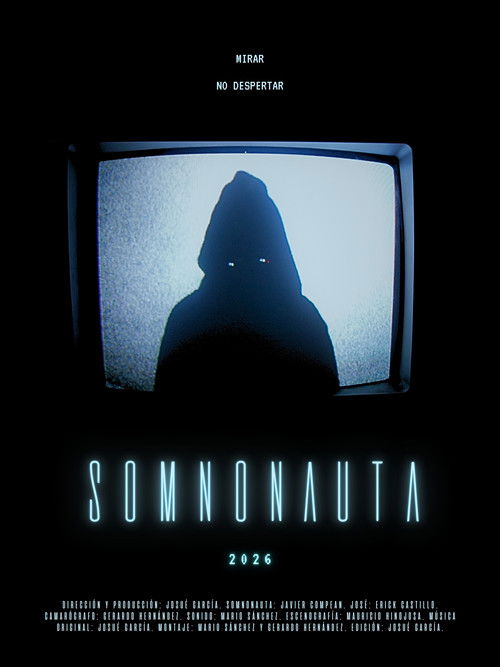

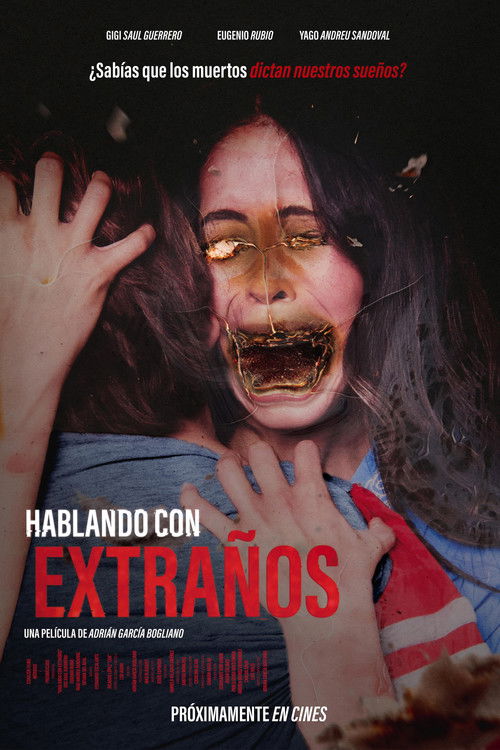
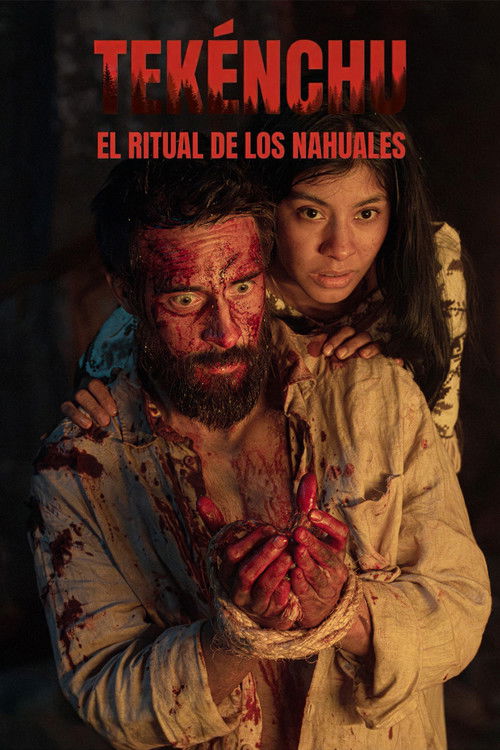

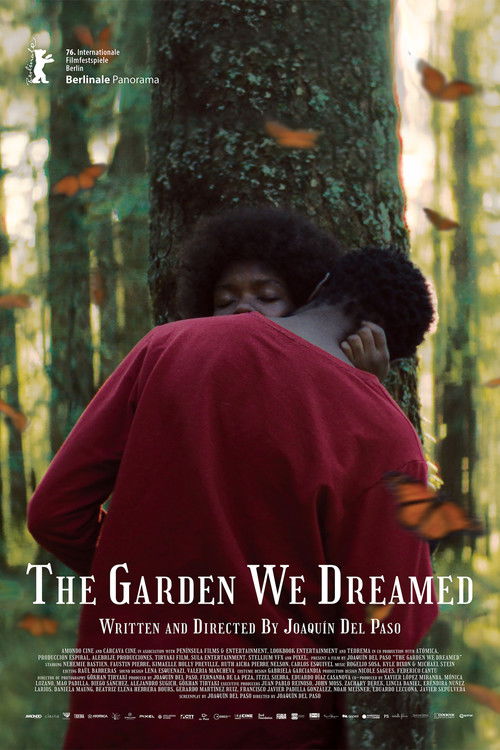

Directors
- Adrian Gonzalez de la Pena
- Alejandro Orozco
- Alfredo Ríos Escandón
- Alfredo Ríos Escandón
- Andrea Grain
- Andrés Hernández Covarrubias
- Andrés Hernández Covarrubias
- Antonio Cervantes Lozada (ANCELO)
- Antonio Rotunno
- Antonio_Rotunno
- Benjamin Garcia Soliz
- Carlos Matienzo Serment
- Carlos Robles-Gil
- Carlos Trujano
- Chiva
- Chiva MF
- Daniel Millán
- Davar Villegas
- Diego Solano Flores
- Everardo Felipe
- Fabio Colonna
- Francisco Yael Ascanio Pacheco
- Gerardo Oñate
- Héctor Dávila Cabrera
- Hisham Iyad Hajir
- Ianis Guerrero
- Ipsita Manna
- Jimena
- Jimena Huesca
- Joaquín Salgado Osuna
- Juan Antonio Rotunno
- Karina Cedillo
- León Landázuri
- Leyah Stiffler
- Luis Adán Espinoza
- Luis Fernando Orozco
- Maeva Chalier
- Manuel Rodarte De Alba
- MARCOS MUÑOZ FLORES
- María Bayardo
- Maria Victoria Sanchez Lara
- Marianed Soria
- Marinthia Gutiérrez
- Mario
- Mario Davila
- Nour Fenniche
- Omar Jacobo
- Oscar
- Oscar Franco
- Pablo Camargo López
Also explore
Festivals
- 7 Colors Lagoon, Bacalar International Film Festival
- ANIMAL Film Fest
- Artesanos Film Fest
- Aurora International Horror Film Festival
- Author's International Film Festival / FIC AUTOR
- Cosmo Genetics Film Festival San Cristobal
- Experimental Film Guanajuato
- FERATUM International Fantastic Film Festival
- Festival de Cine Chihuahua FECCH
- Festival de la Luna llena
- Festival Internacional de Cine de San Luis Potosi
- Festival Internacional de Cine de Xilitla (Xilitla Film Fest)
- FIC TLAX
- Macabro: Mexico City International Horror Film Festival
- MICMXIFF
- Morbido Fest
- Mountains of Horror Film Festival Veracruz
- Oculto Film Fest
- PEEPHOLE filmfest
- Sacalacalaca, Interdimensional Horror & Sci-Fi Festival
- ScreenNow Horror Fest
- SHORTS MÉXICO - FESTIVAL INTERNACIONAL DE CORTOMETRAJES DE MÉXICO
- Stuff MX Film Festival
- Tremula, International Gloomy Film Festival México
- VERACRUZ ITINERANT SHORT FILM FESTIVAL
- WTF! Short Film Night