
Best Italian Horror Movies
Italian horror rarely cared about behaving. It prefers sensation to restraint, color to realism, Catholic residue to clean secular logic, and bodies that refuse to stay within polite borders. The tradition is too broad for one label. Gothic ruin, giallo murder, supernatural nightmare, zombie rot, cannibal sleaze, and apocalyptic delirium all live under the same national roof. What unites the best Italian horror movies is conviction. Even the most disreputable entries are often made by directors who know exactly what they want an image to do to your nerves.
The best Italian horror looks better than it is supposed to and behaves worse than respectable cinema permits. Bava gave the tradition atmosphere and color, Argento gave it baroque momentum, Fulci gave it rot and hopelessness, and few national cinemas ever made bad taste this fertile.
The films on this list
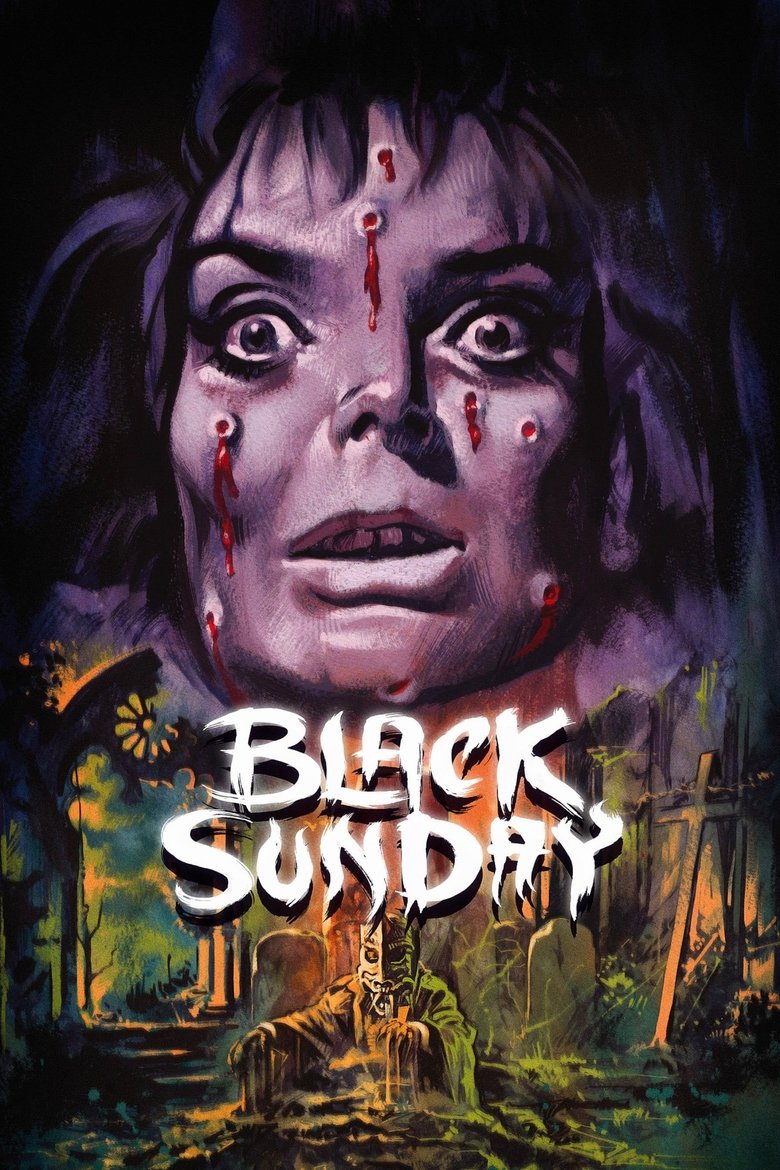
Black Sunday 1960
Mario Bava's modern Gothic cornerstone: fog, ritual, sadism and Barbara Steele's necrotic glamour, all held by his tactile control of texture even in monochrome. Where Italian horror first learned to turn atmosphere into force.
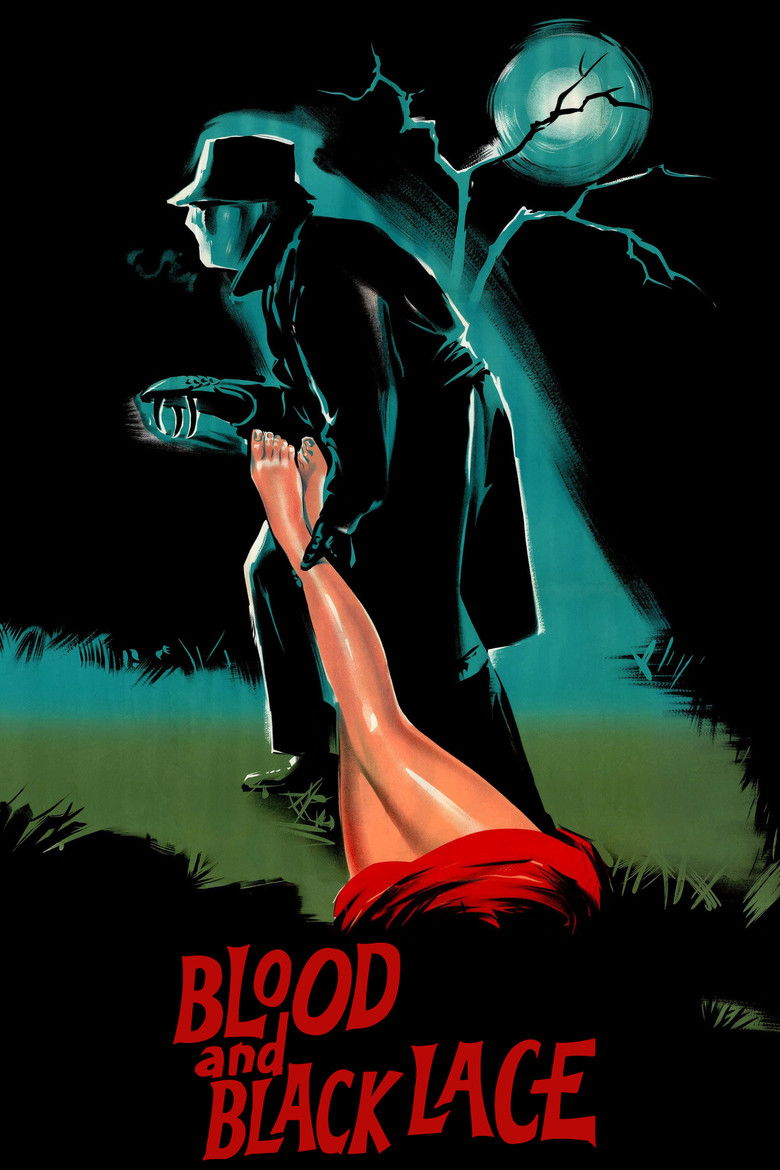
Blood and Black Lace 1964
The other Bava, and effectively the visual law for giallo. Beauty is already compromised before the killer acts, with fashion, color and composition all turned accomplice.
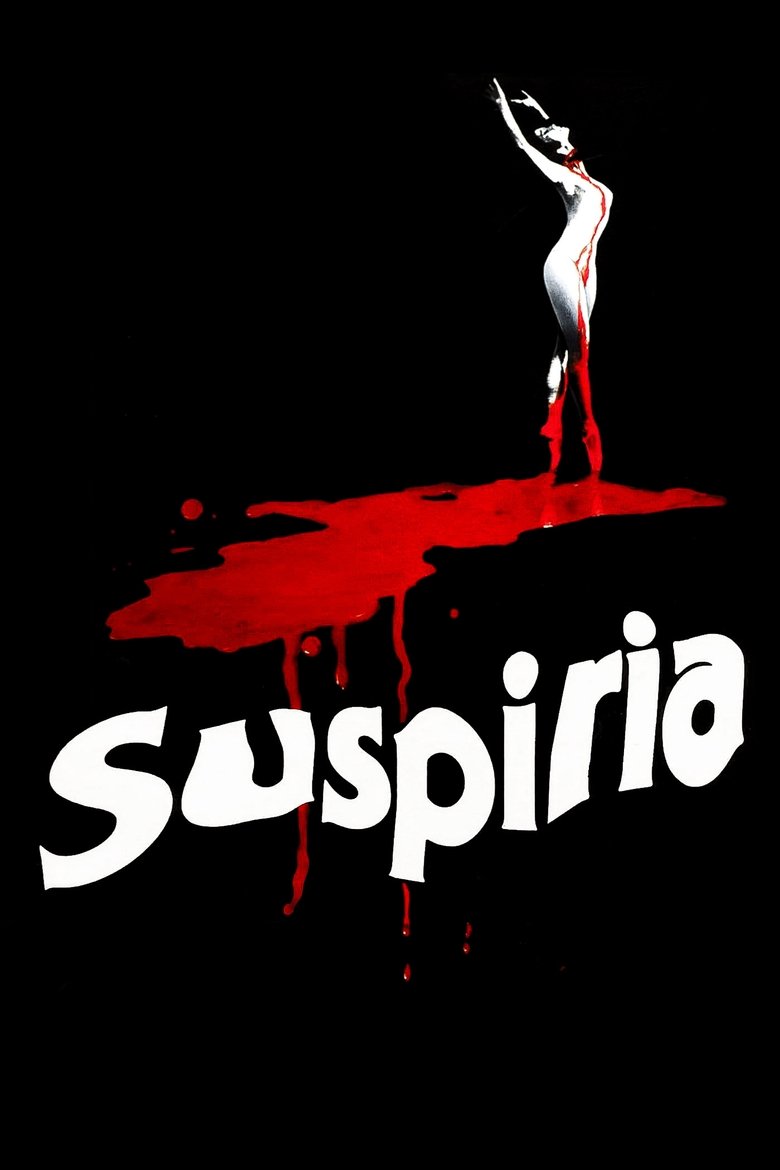
Suspiria 1977
Argento throws realism overboard for a fairy tale poisoned by neon and percussion, a dance-school nightmare where the architecture itself feels malicious. Plot is secondary to total sensory possession.
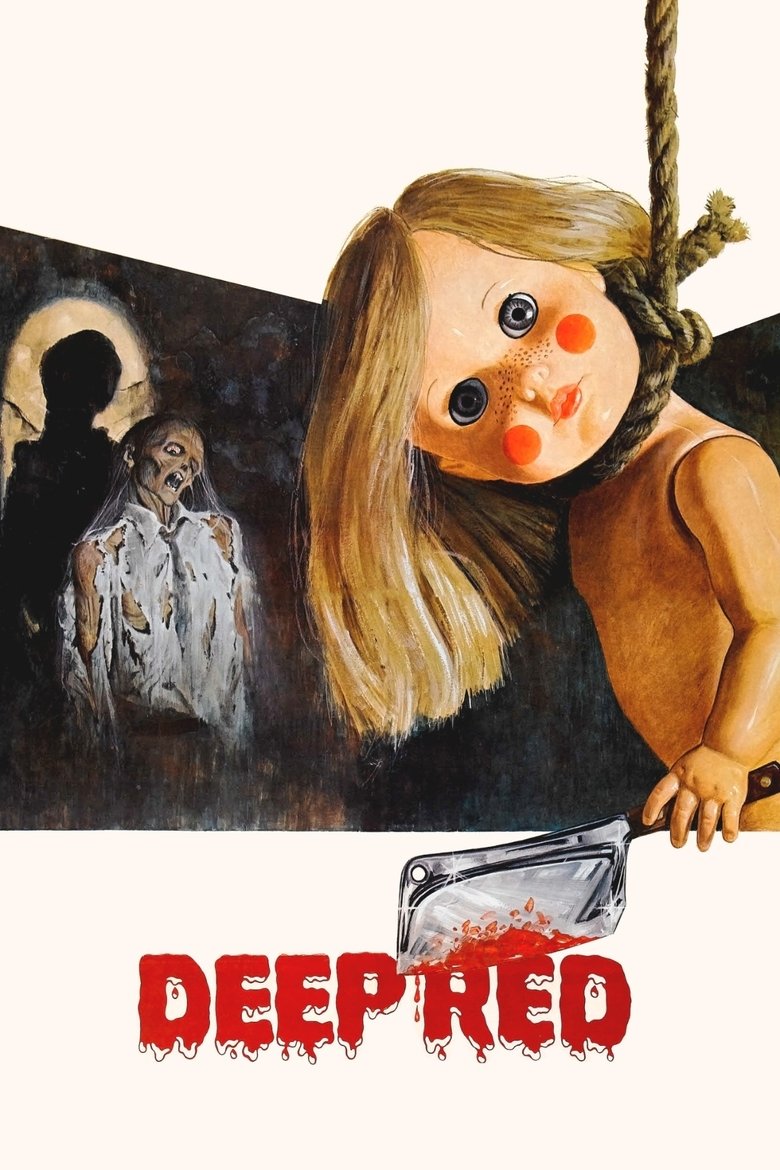
Deep Red 1975
Argento's most complete giallo: the witness error, the murder choreography, the barbed humor, and the dread that looking itself has become a liability. Rarely is the canon this controlled while this gleefully excessive.

Zombie 2020
Lucio Fulci drags the tradition toward putrefaction, colliding tropical decay, eye trauma and decomposing flesh. He treats splatter as atmosphere rather than shock, making vulgarity feel visionary.

The Beyond 1981
The great case for Fulci as nightmare poet, where narrative gives way to portal logic and an apocalypse that feels ambient rather than announced. Characters drift as if already halfway dead, and the film turns that drift into doom.

Cannibal Holocaust 1980
Ruggero Deodato's ethically compromised landmark, ugly in ways that cannot be waved away, yet historically consequential for its pseudo-documentary attack on media sadism. Italian horror often pushed past good judgment; here it crashes through it.

Cemetery Man 1994
Michele Soavi's Dellamorte Dellamore feels like Italian horror dreaming about itself after a long bad century, floating between melancholy and absurdism as zombies rise and romance curdles. Too strange to be a mere coda.
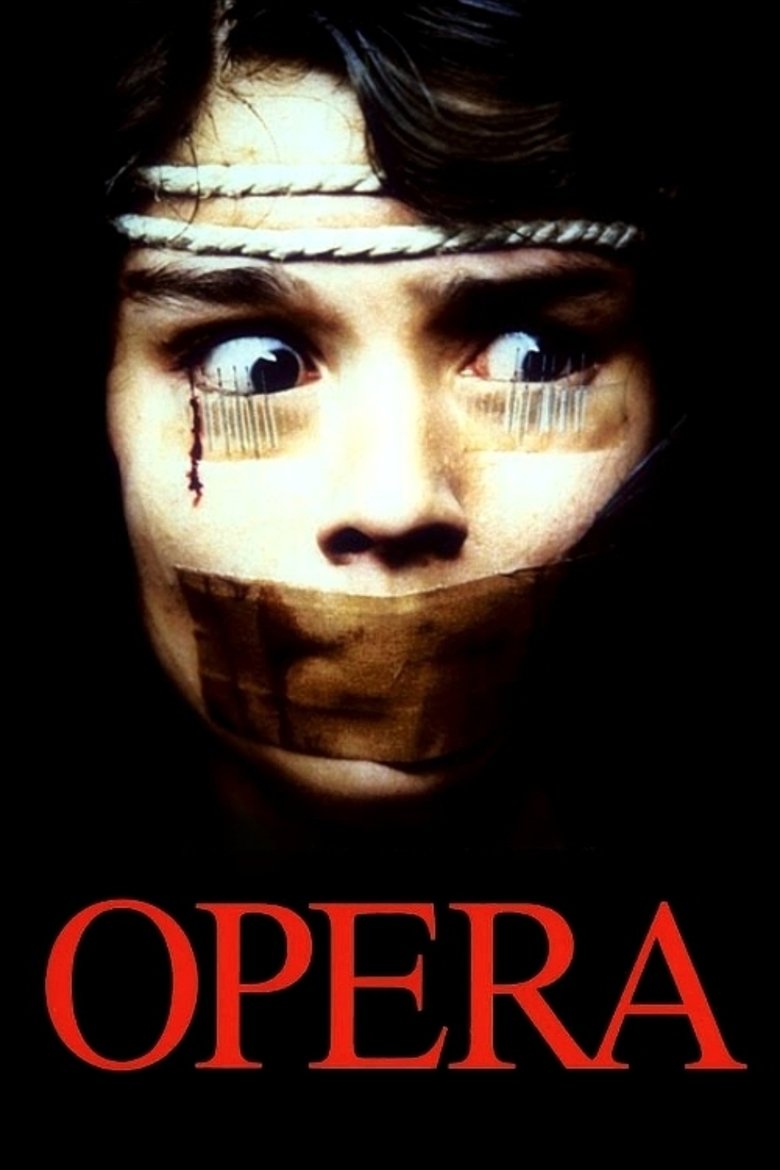
Opera 1987
Argento tapes needles under Betty's eyelids so she cannot look away, and 1987 Italian horror gets its cruellest self-portrait. Verdi's Macbeth at the Regio, ravens loose in the flies, an industry already sliding.

Don't Torture a Duckling 1972
Fulci turns on his own country here: a southern village where child murders expose priests, mothers and a mob happy to beat a supposed witch to death in the cemetery. Ortolani's pop score makes it worse.

The House by the Cemetery 1981
Fulci imports New England gothic and then dissolves it: Dr Freudstein leaking in the cellar, a boy screaming through the worst dub in Italian horror, geography and logic quietly falling apart.
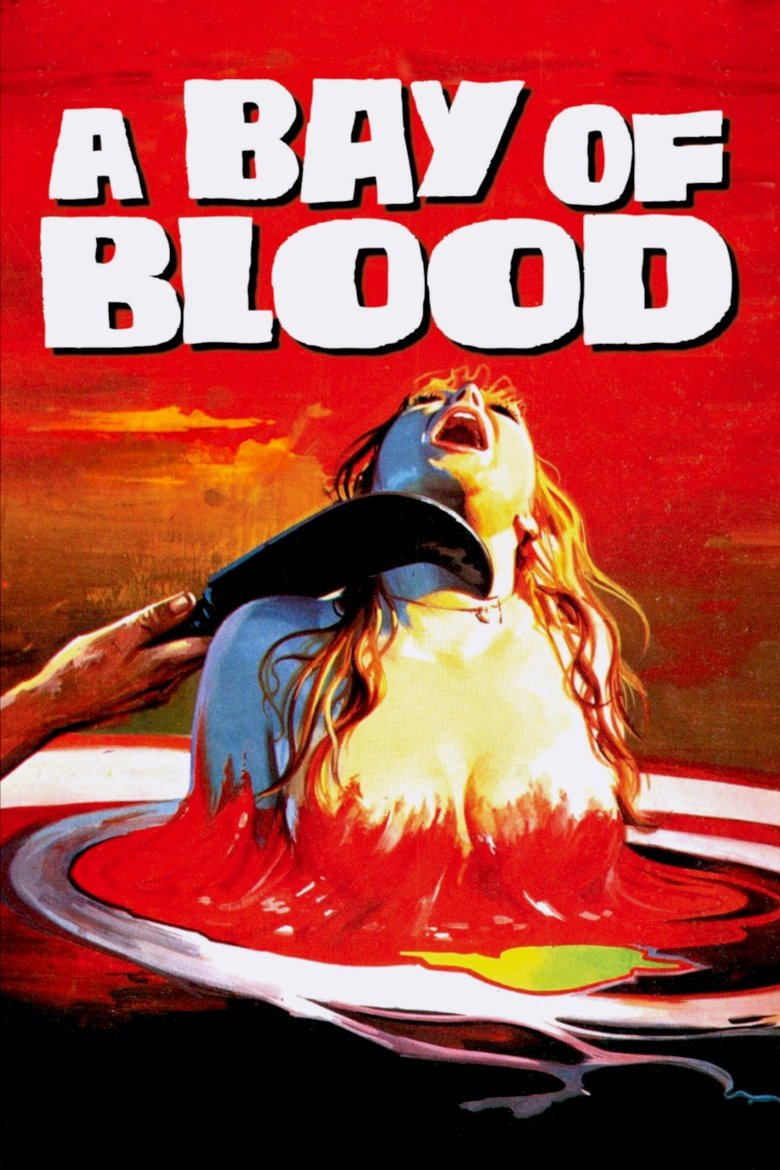
A Bay of Blood 1971
Bava at the end of his run, shooting cheap on a single bay and inventing the body-count film almost by accident. Hollywood spent the next decade selling that grammar back to Italy at a markup.

Demons 1985
Lamberto Bava locks an audience inside a Berlin cinema and lets the film they are watching infect them. Heavy metal, a katana, a motorbike in the stalls: Italian horror's loudest argument for spectacle over sense.

Torso 1973
Perugia, an international college, Carlo Ponti's money and a killer with a scarf. Martino's film went straight to American drive-ins, often double-billed with Texas Chain Saw, which tells you how Italy sold horror in 1973.
Stage Fright 1987
Soavi shuts a dance troupe in a theatre with an escaped psychopath in a giant owl mask, and shoots it like a man who studied under Argento and paid attention. The last flowering of Italian horror as craft.

City of the Living Dead 1980
A priest hangs himself in Dunwich and causality gives up: the dead walk through walls, eyes weep blood, Frizzi's score does the plotting. Fulci's metaphysics of splatter, fully operational.
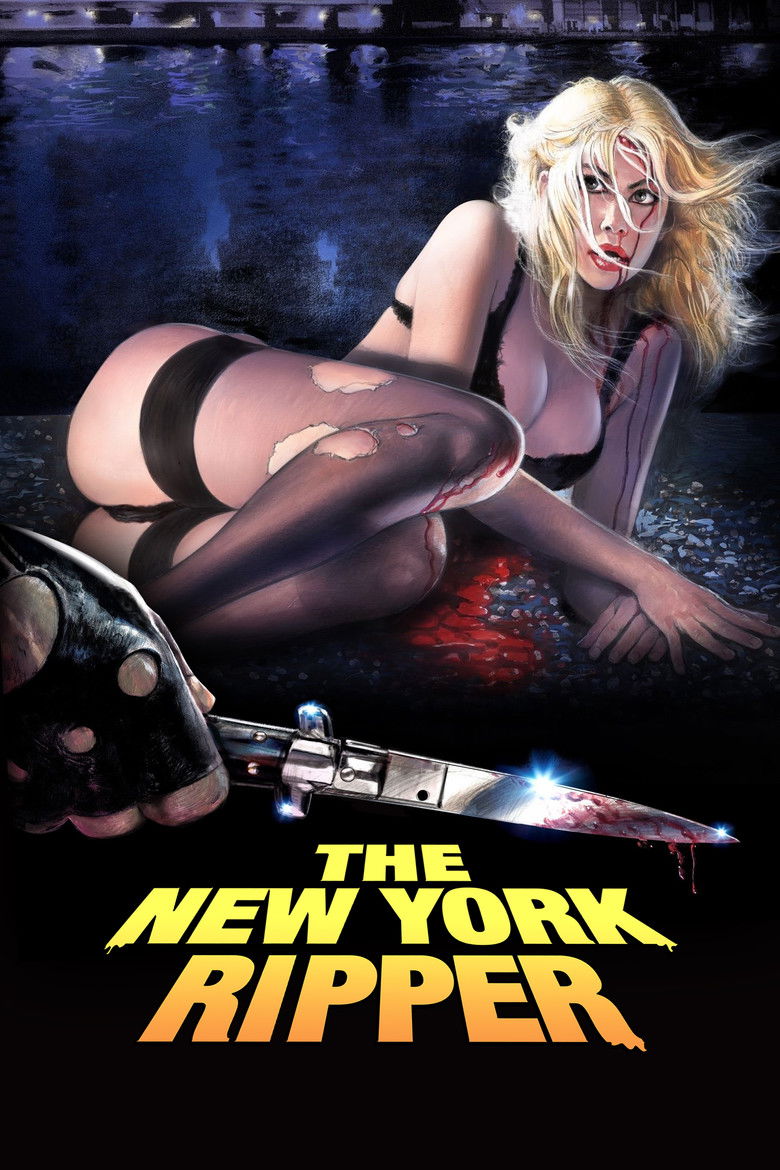
The New York Ripper 1982
Fulci takes the Italian genre industry to Manhattan and films it with open contempt for everyone, viewers included. The BBFC had the print escorted out of Britain, which was roughly the intended effect.

Inferno 1980
Argento's architecture film: a New York building with a drowned ballroom in its foundations, plot reduced to a floor plan. Mario Bava did the effects, uncredited, and died the following year.

Phenomena 1985
Goblin next to Iron Maiden and Motorhead, a Swiss boarding school, Jennifer Connelly and Donald Pleasence: Argento in full international co-production mode, chasing the middle of the eighties.
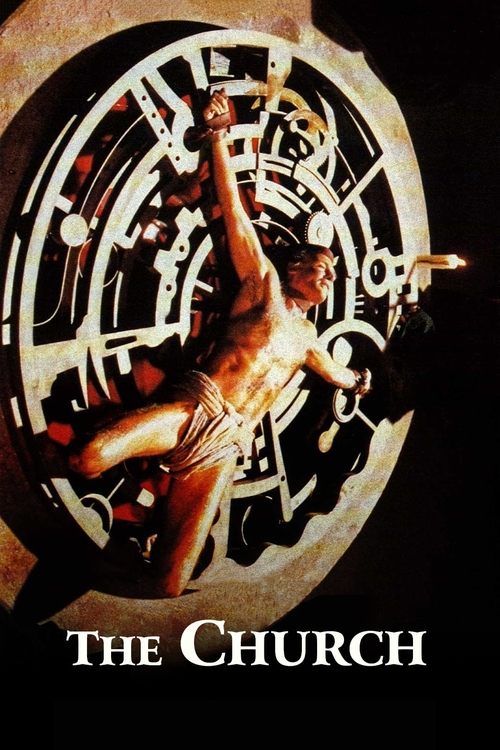
The Church 1989
Conceived as Demons 3 and mercifully allowed to become something else: a Gothic cathedral built over a massacre pit, sealing its own congregation in. Soavi cares about the frescoes as much as the deaths.

The House with Laughing Windows 1976
Avati sends a restorer to an Emilian village to repair a fresco of Saint Sebastian's martyrdom, painted by a man who worked from live models. Slow, sun-bleached, and nastier than anything with a machete.
More shorts to watch