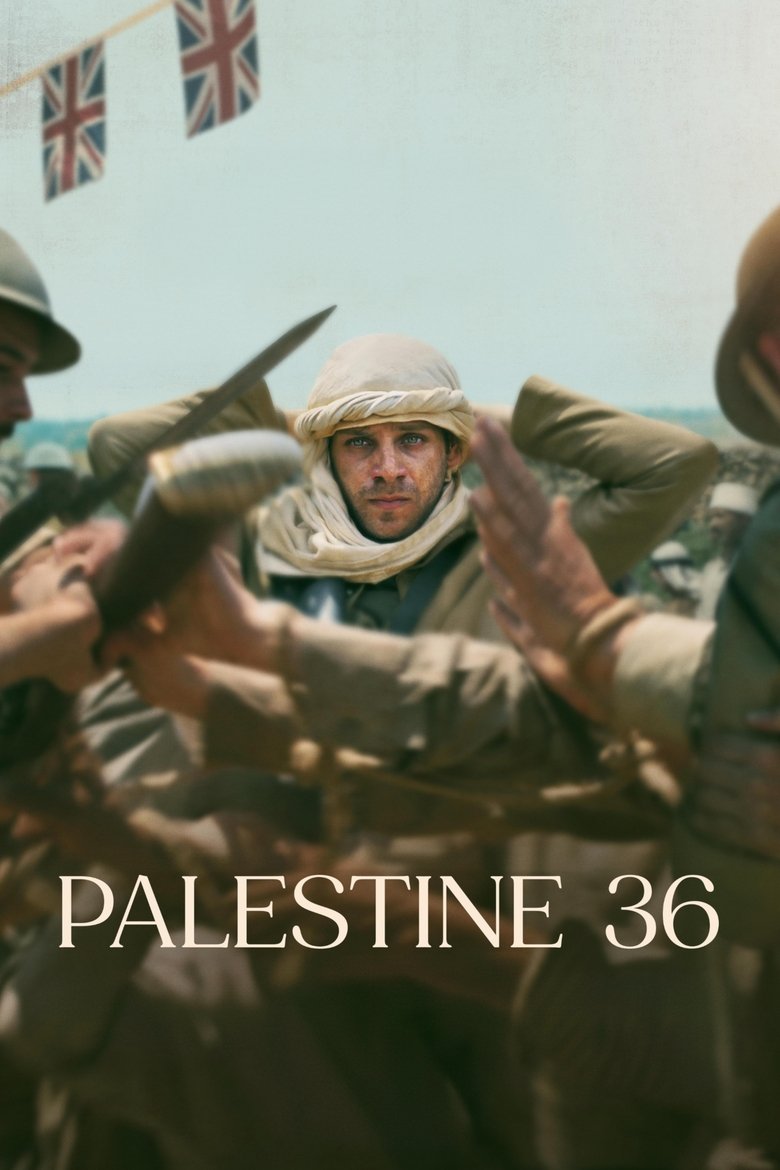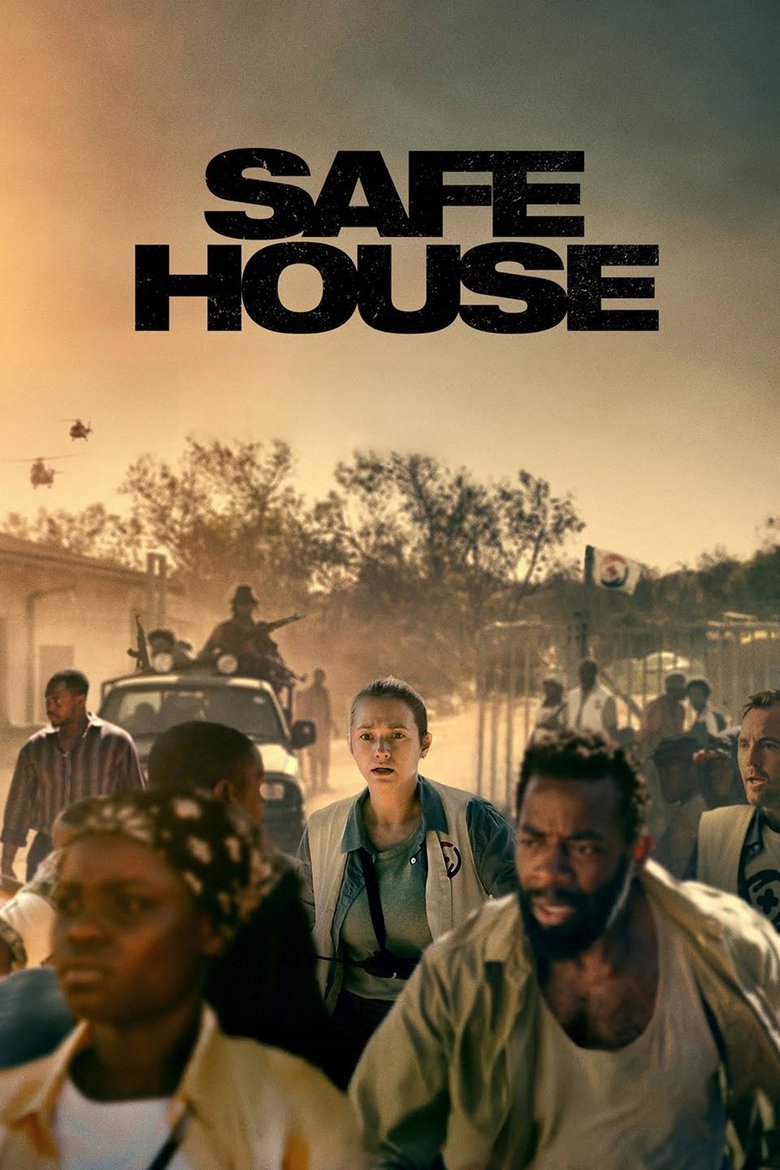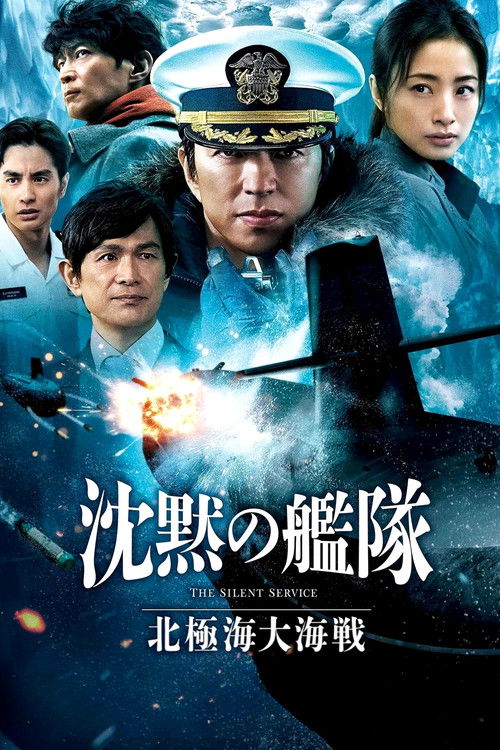


War
About War Films
War belongs near horror because organized violence is one of humanity's most successful technologies of nightmare. Even without ghosts, monsters, or occult interference, war produces mutilation, mass death, trench dread, bureaucratic indifference, contamination, hunger, and the psychic erosion that comes from living inside industrialized killing. On CaSTV, the war tag matters because horror frequently borrows wartime settings, imagery, and states of mind to intensify fear, and because some war films become horror by simple moral extension.
The overlap works in several directions. Sometimes horror invades war: soldiers encounter creatures, curses, experiments, haunted ruins, or forbidden rituals in the middle of conflict. Sometimes war invades horror: battlefield trauma, occupation, military hierarchy, and state violence shape the atmosphere even when the plot turns supernatural. And sometimes war itself is enough. Trenches, bombardment, camps, occupied zones, chemical damage, and command structures indifferent to human survival can make a film feel horrifying without any additional genre device.
This is why war sits productively beside Thriller, Body Horror, Occult, Nazisploitation, and Horror. Thriller supplies tactical suspense and survival under pursuit. Body horror becomes relevant because war deforms and fragments flesh on a mass scale. Occult stories often use war zones as sites where hidden rituals, forbidden artifacts, or historical curses can erupt. Nazisploitation occupies a more exploitative corner of the overlap, where fascist iconography and wartime cruelty are mined for lurid shock rather than sober reckoning. The broader war tag is needed so those narrower uses do not swallow the whole field.
National traditions approach this overlap very differently. In the United Kingdom, wartime horror often intersects with trench trauma, class hierarchy, and folk residue in old landscapes. In the United States, military procedure, technological power, and the psychological cost of deployment frequently shape the mode. In Japan, war horror can carry especially acute historical and bodily resonance, often touching on devastation, mutation, memory, and the afterlife of catastrophe. Across Russia, Germany, France, and elsewhere, national memory changes what wartime fear can look like and what symbolism it can bear.
The body is central because war does not allow violence to stay abstract. Limbs disappear. Faces burn. lungs fail. Shell shock, starvation, infection, frostbite, radiation, and medical experimentation all expose the body as a battlefield long after formal combat ends. That is why the tag often drifts toward Body Horror or Gore. War makes human fragility impossible to sentimentalize for long.
War also transforms space in ways horror understands perfectly. A field becomes a grave grid. A church becomes cover. A school becomes a ruin. A forest becomes an ambush engine. A tunnel becomes a lung for panic. A hospital becomes a sorting machine for bodies. Horror gains power because war has already made the world morally unstable. The supernatural only needs to step into a structure that has already learned how to produce fear at scale.
There is a strong connection here to memory as well. War horror often stages return: veterans coming back altered, towns built over violence, artifacts carrying residue, generations inheriting damage they did not witness firsthand. This makes the overlap especially rich for Ghost and Psychological Horror, because haunting in these films often means history refusing to remain buried beneath official narrative.
For CaSTV viewers, the war tag should mark films where military conflict, occupation, or battlefield logic are central to the horror texture, whether the fear remains realistic or turns supernatural. It belongs beside Thriller, Body Horror, Occult, Horror, and, where relevant, Nazisploitation because those neighboring tags help explain what kind of wartime pressure the film is using.
War remains essential to horror because it proves that the organized human world is fully capable of generating nightmare without help from the beyond. When monsters, ghosts, or curses appear against that backdrop, they do not cheapen the setting. They expose how little distance there was between historical violence and the supernatural imagination to begin with.