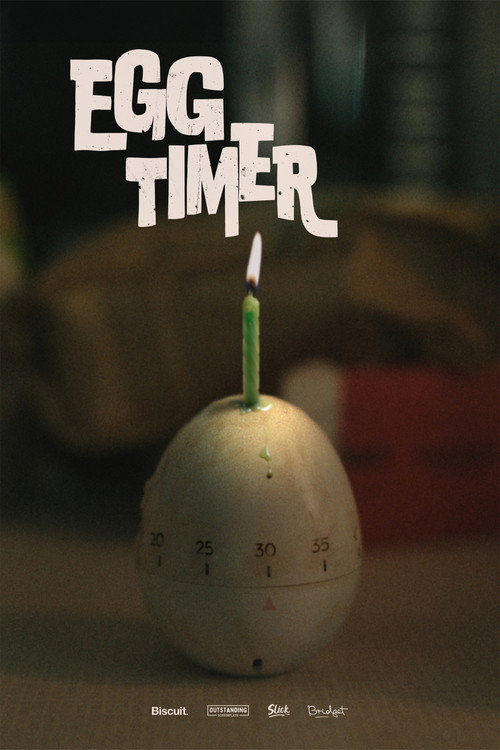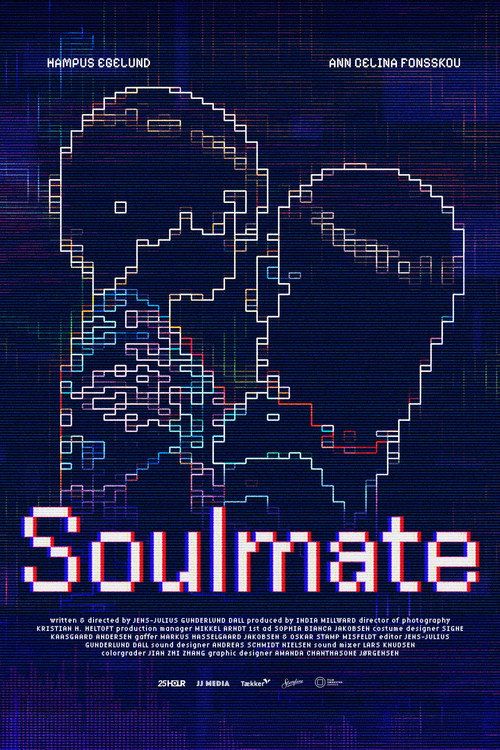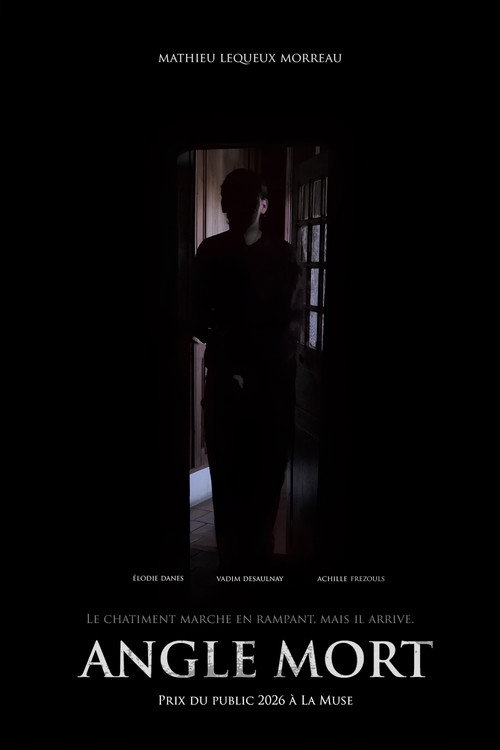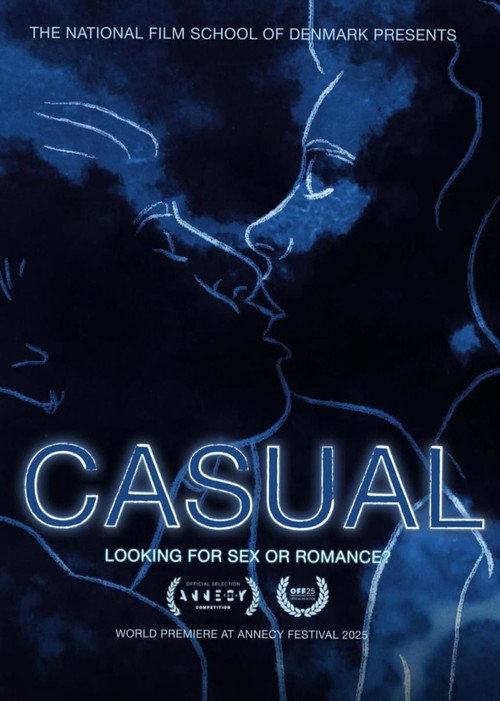
The Odense International Film Festival, known by its acronym OFF, holds an unusual distinction among European short-film events: it was the first festival in the world to make the short film its sole and exclusive focus, a mission it has pursued since its founding in the Danish city of Odense. Over the decades it relocated to Brazil, operating under the same name and spirit while shifting its geographic home, which accounts for its listing under a Brazilian context in certain databases. The festival remains one of the few major competitive events in the world dedicated entirely to short-form cinema, awarding a Golden Clover prize to the best entries across its international competition.
Short film as a format has always been a natural home for experimentation, and OFF reflects that reality. Because short films carry lower production costs and fewer distribution pressures than features, filmmakers use the format to explore territory that longer commercial works rarely attempt. Horror shorts, experimental pieces, and dark-comedy vignettes all circulate regularly on the international short-film circuit, and a festival with the ambition and history of OFF has provided a stage for many such works over the decades. The platform it offers is genuinely international: entries arrive from dozens of countries each year, and the competitive sections reflect a broad geographic and stylistic range.
Short film also served as the training ground for many of the most consequential genre filmmakers of the past half-century. Directors who would go on to define thriller cinema or reshape sci-fi conventions often pointed to early short-film screenings at competitive festivals as formative moments - both for the feedback they received from audiences and for the professional contacts they made. OFF, precisely because of its early commitment to the format, became part of that broader ecosystem.
The festival typically runs over several days, programming competitive shorts alongside retrospective or thematic sidebar sections. Industry events and audience awards complement the main jury prize, giving filmmakers multiple opportunities for recognition. Shorter works selected for competition are often on the cusp of international distribution, and a prize or mention from OFF has historically helped propel those titles into wider visibility.
Odense itself, the city most associated with the festival's founding identity, is the third-largest city in Denmark and the birthplace of Hans Christian Andersen, a biographical fact the city wears conspicuously. The cultural infrastructure that supports a film festival - cinemas, arts venues, an engaged local audience - has long been present there, and the festival drew on that foundation in its early editions. The Brazilian connection in later years reflects the global appetite for dedicated short-film platforms that the festival helped create and model.
For genre-cinema audiences specifically, short film competitions like OFF represent an important scouting mechanism. Horror anthologies, festival compilations, and genre streaming platforms routinely pull titles that first appeared in short-film competition. A festival with OFF's reach and longevity is the kind of event where a found-footage short or a compact slasher piece might first attract the attention of producers or distributors willing to expand it into a feature. The competition structure rewards originality and execution over budget, which benefits precisely the kind of low-resource genre filmmaking that has historically produced some of the most inventive work in the field.
Whether operating from Odense or in its Brazilian iteration, OFF's core proposition - that the short film deserves its own major international competitive event, evaluated on its own terms rather than as a warm-up to feature-length work - has proven durable enough to sustain the festival across different continents and several decades of the film industry's considerable changes.
 Crystal Palace International Film Festival, London UK
  Tallinn Black Nights Film Festival
  Landshut Short Film Festival