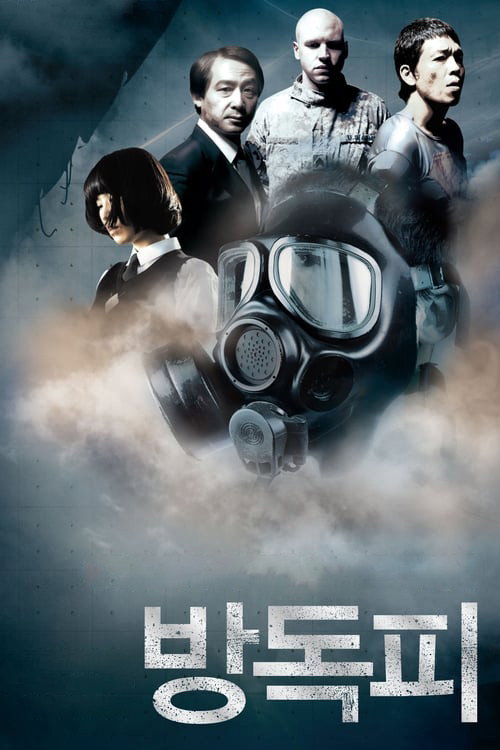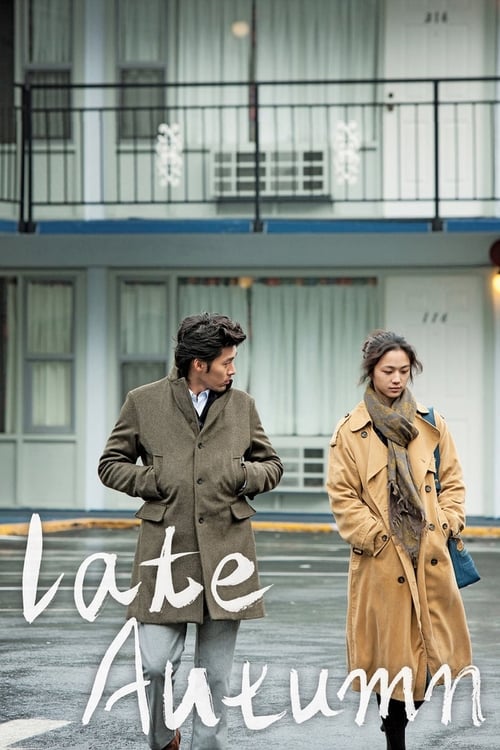

Korean Film Festival In Australia
The Korean Film Festival in Australia is a touring festival that brings contemporary and classic South Korean cinema to audiences across multiple Australian cities, operating as one of the most significant dedicated platforms for Korean film outside Asia and one of the few film festivals in Australia focused entirely on the output of a single national cinema.
South Korean cinema has undergone one of the most remarkable transformations in global film history over the past thirty years. The creative explosion that began in the late 1990s and accelerated through the 2000s produced a generation of directors working with a distinctiveness and ambition that attracted international critical attention, eventually culminating in global recognition of the kind that few national cinemas achieve. A dedicated festival for this cinema in Australia reflects both the scale of Korean filmmaking's international impact and the substantial Korean-Australian community that constitutes a ready and knowledgeable audience for the programming.
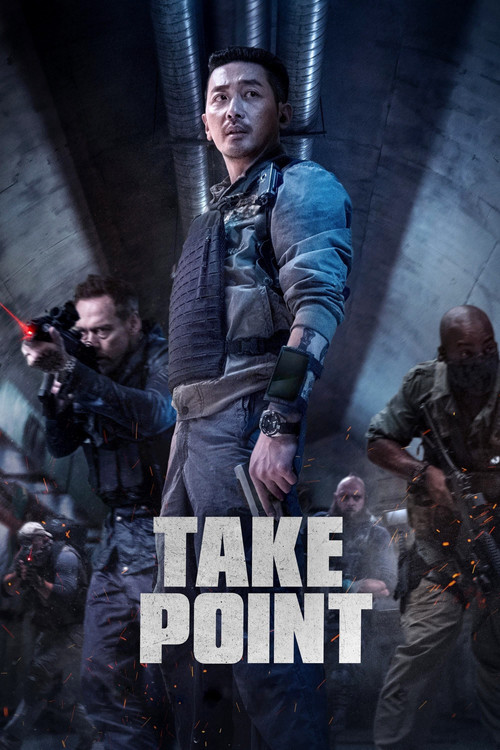
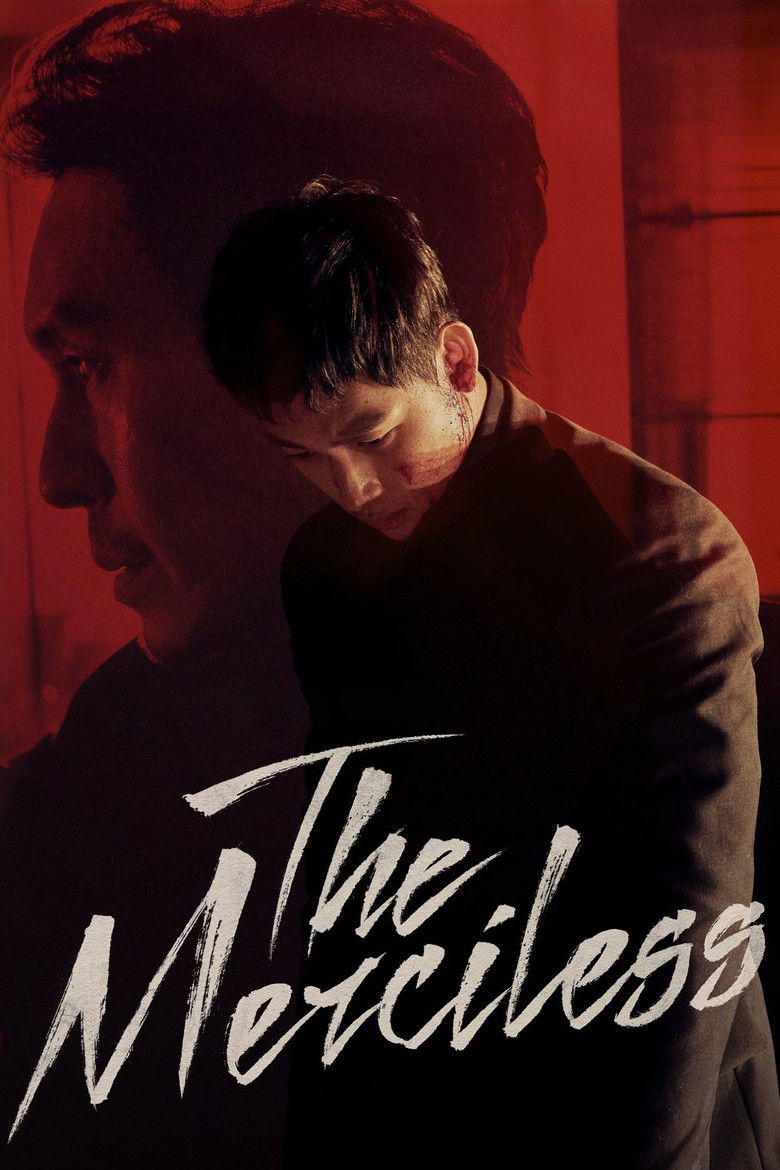
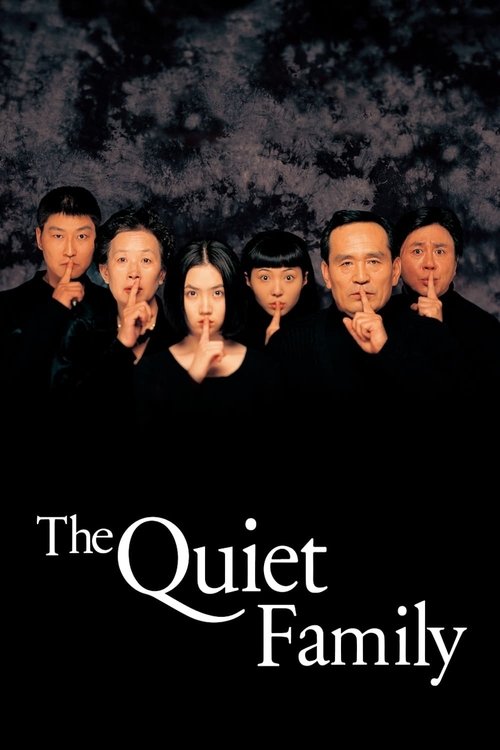
Korean cinema is, in significant part, genre cinema. The country's directors have worked in horror, thriller, crime, action, and dark comedy modes with consistent ambition and craft, producing films that have redefined those genres for international audiences. The wave of Korean horror that emerged from the late 1990s onward drew on distinctively Korean folk traditions, social anxieties about modernisation and family structure, and a willingness to combine extreme visceral content with genuine emotional complexity. The Korean Film Festival in Australia has been an important vehicle for bringing this genre work to Australian audiences.
The festival operates as a touring event, visiting multiple cities including Sydney, Melbourne, Brisbane, and Perth rather than anchoring itself in a single location. This structure is both a response to the geographic dispersal of Australia's major population centres and a recognition that the Korean-Australian community is distributed across multiple cities. Touring festival models require significant logistical coordination but extend the festival's reach substantially beyond what a single-city event could achieve.
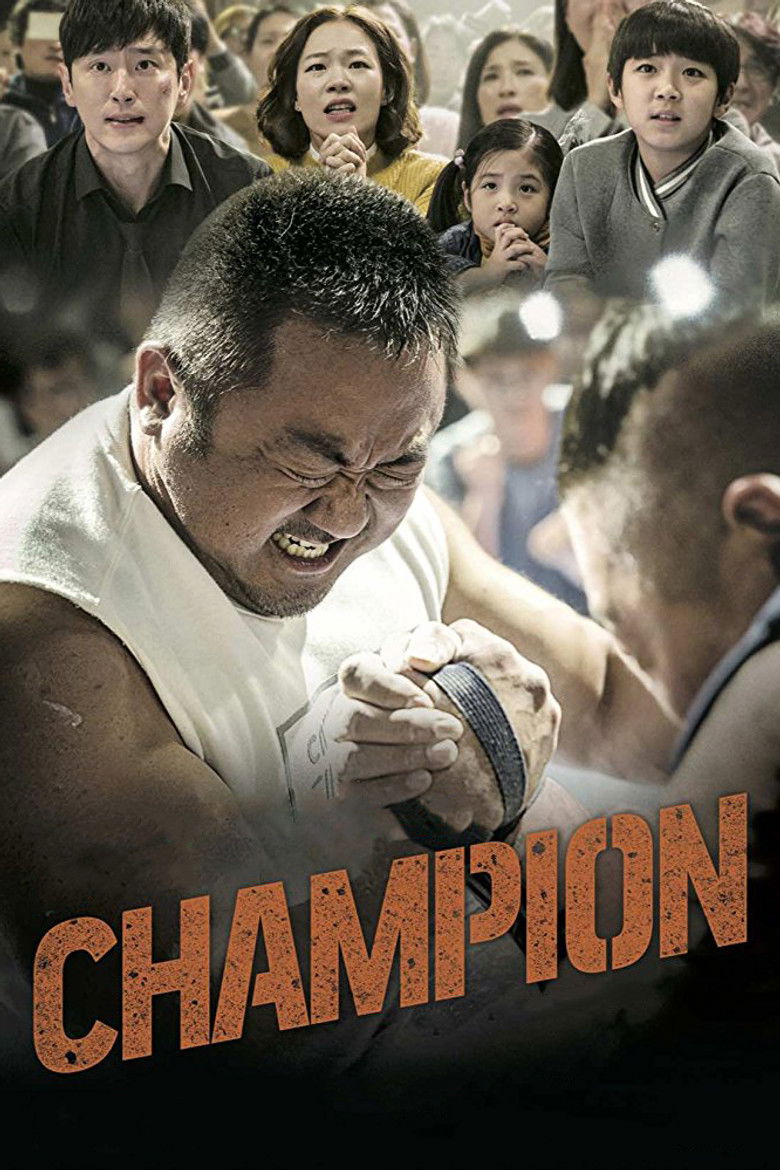
The programme combines recent releases with retrospective selections, allowing audiences to encounter both current Korean production and historically significant films that shaped the national cinema's development. This balance between new and classic is particularly valuable for Korean cinema, whose history includes films that are foundational for understanding the current generation of directors but that remain outside standard distribution in Australia.
The festival includes guest visits from Korean directors and actors where possible, and these appearances have brought prominent figures from the Korean film industry into direct contact with Australian audiences. The conversations generated by these visits - about Korean society, genre filmmaking, the commercial and artistic pressures of working in the Korean industry - add depth to the cinematic programming.
Industry and community partnerships have been important to the festival's operation. Support from the Korean Cultural Centre Australia and from Korean-Australian business and civic organisations supplements the box office and grant funding that sustains the touring model. These partnerships reflect the festival's dual character as a cultural diplomacy exercise and as a genuine community cultural event.
Note: the listing for this festival references a French website (ffcp-cinema.com), which appears to relate to a separate French-based Korean film festival organisation. The Korean Film Festival in Australia is an Australian-based event; any confusion with French Francophone Korean film promotion organisations should be treated as a data discrepancy in the source.
For Australian audiences interested in horror, thriller, and crime cinema of exceptional quality and specificity, the Korean Film Festival in Australia is the most direct annual access point to Korean genre filmmaking - a cinema that has spent three decades demonstrating that genre is not a limitation but a tool for exploring the full range of human experience.