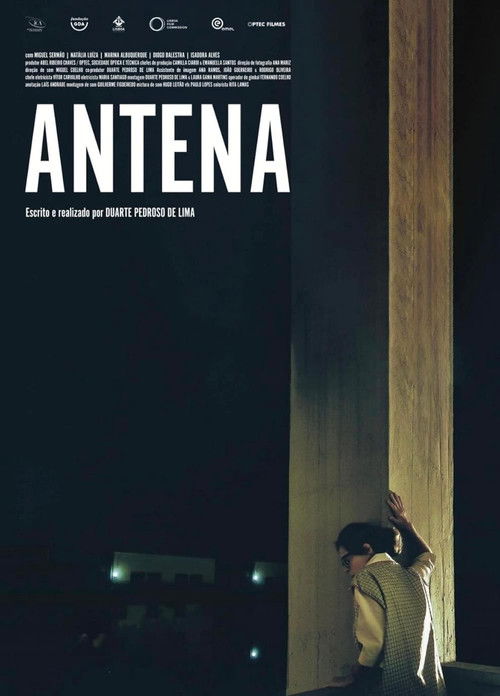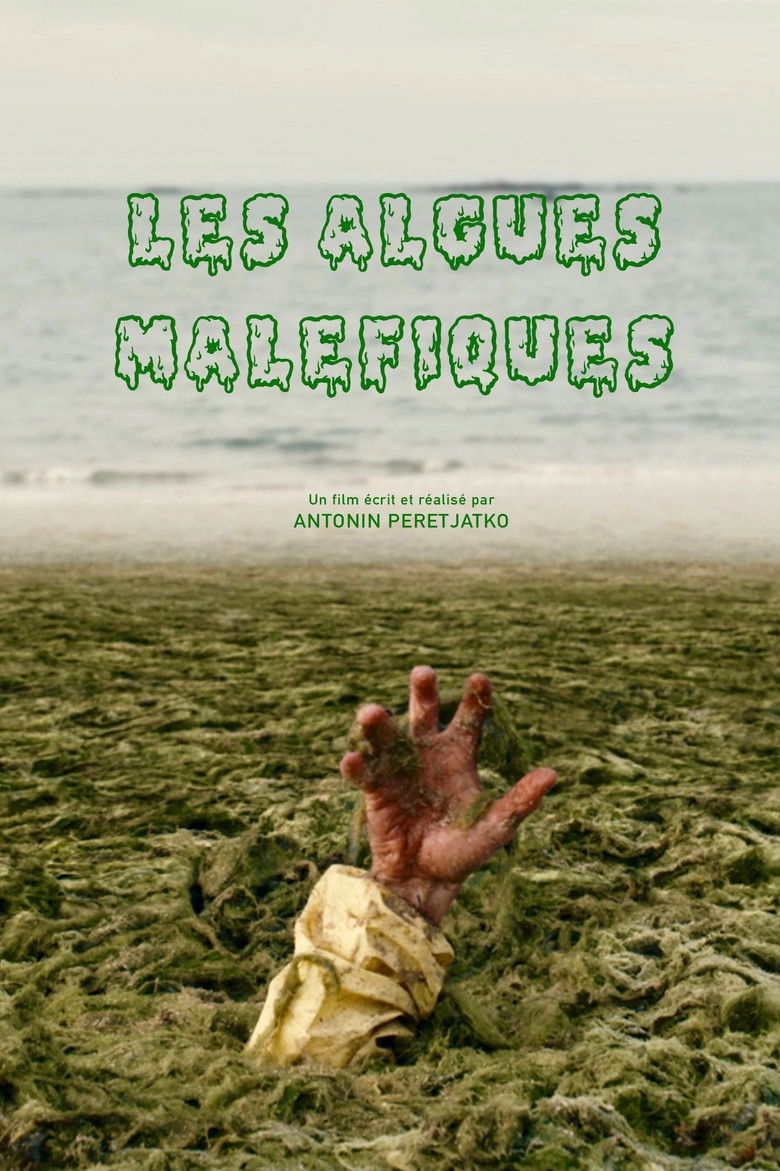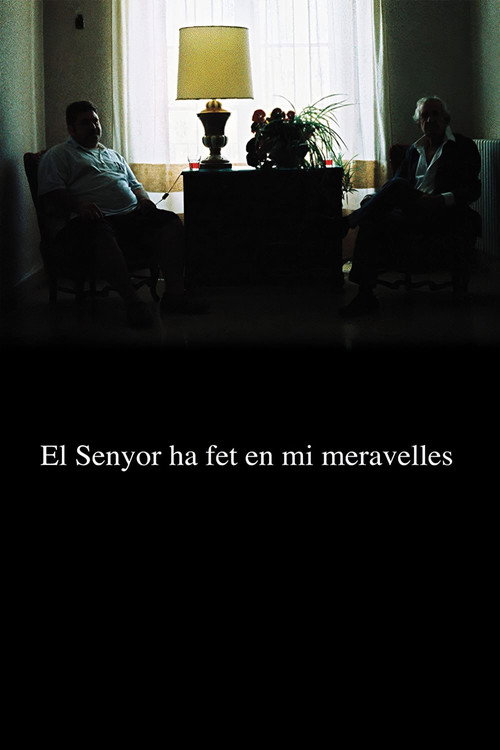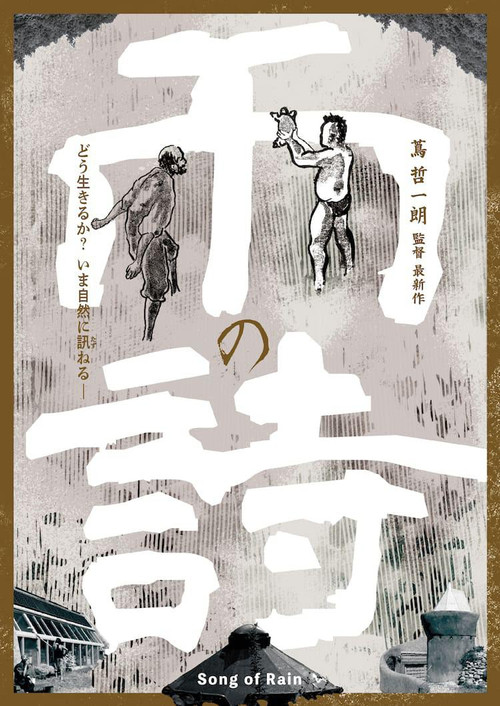
FIDMarseille - the Festival International de Cinema de Marseille - was founded in 1989 and has over more than three decades developed a singular identity on the European festival circuit as a radical, formally ambitious event that refuses the conventional division between fiction and documentary, treating cinema as a single art form whose boundary-crossing work deserves the most serious critical engagement. Held each summer in Marseille, France's second-largest city and its most cinematically charged port, FIDMarseille is the festival that deliberately programmes the films other festivals do not quite know how to classify.
The festival's name was for many years accompanied by the subtitle "Festival International de Documentaire de Marseille," and its historical roots lie in documentary film. But the programming philosophy that has defined FIDMarseille's contemporary identity is explicitly post-generic: films that mix documentary and fiction methods, that use real people in scripted situations, that blur the boundary between observation and construction, or that are simply unclassifiable by conventional rubrics are exactly the films FIDMarseille seeks out. This philosophical position sets it apart from events that treat documentary and fiction as separate programmes requiring separate curators.
Competition at FIDMarseille is divided into international and French national sections, with additional sidebar programmes. The jury awards prizes including the Grand Prix du Jury and the Prix Special du Jury. Jury members are typically drawn from the worlds of art cinema, visual art, philosophy, and literature - a signal that the festival considers itself in dialogue with the broader contemporary arts rather than solely with the film industry. This positioning attracts filmmakers whose work operates at the intersection of film and visual art practice, including directors who might otherwise show work in gallery contexts.
Marseille itself is integral to the festival's character. It is a Mediterranean city with a North African demographic majority in many of its neighbourhoods, a history of migration, organised crime, and political corruption, and a visual landscape of extraordinary richness and brutality. The city has been the subject of documentary filmmaking for decades, and FIDMarseille's presence there is not incidental: it is a festival rooted in its city in a way that few European events manage. Films shot in Marseille and about Marseille appear regularly in the programme, and visiting filmmakers often respond to the city in their public statements with something close to shock at its intensity.
For genre cinema viewers, FIDMarseille is most relevant through its engagement with experimental and surreal film. The boundary-crossing work it champions frequently enters territory that genre cinema has made its own: psychological-horror inflected by documentary realism, thriller structures applied to non-fiction material, and noir atmospheres generated through the observation of real environments rather than constructed sets. Directors associated with transgressive or formally radical genre cinema - filmmakers who push the horror or thriller form toward art-house territory - find their work welcomed at FIDMarseille when it would be out of place at more commercially oriented festivals.
The festival has also been important for African and Arab cinema, given Marseille's cultural ties to the Maghreb and West Africa. Films from Algeria, Tunisia, and Senegal have appeared in the programme, often work that does not fit neatly into the categories available to African films at European festivals. This inclusivity toward non-European work, combined with the refusal of generic categorisation, makes FIDMarseille a genuinely heterodox event in the European festival landscape.
Industry presence at FIDMarseille is modest compared to events like Cannes or the IDFA. The festival is primarily a cinephile and filmmaker event rather than a market, and its atmosphere reflects this: screenings are attended by people who want to watch difficult films rather than to close deals. This gives it an intensity and a seriousness of engagement that more commercially oriented events rarely sustain.
 Viennale
  International Film Festival Rotterdam
  Berlin International Film Festival