
FICUNAM
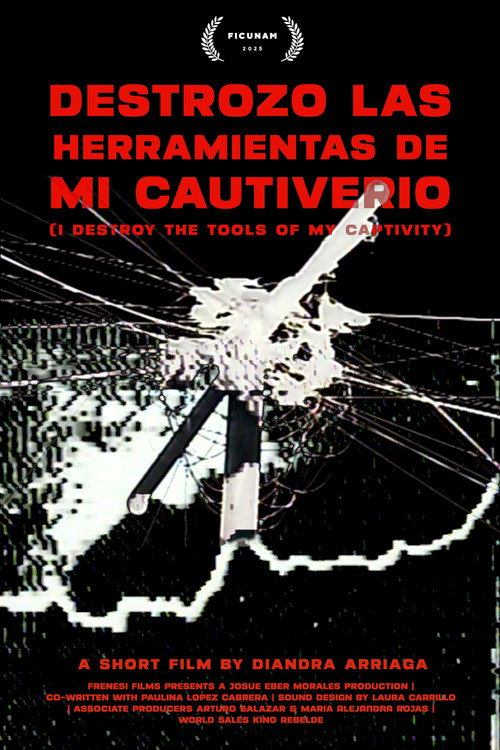
FICUNAM - the Festival Internacional de Cine de la Universidad Nacional Autonoma de Mexico - is the international film festival of Mexico's national autonomous university, founded in 2011 and held annually on the UNAM campus in Mexico City, making it one of the youngest of the major Latin American film festivals and among the few in the world directly organized by a major research university.
UNAM is one of the largest and most prestigious universities in Latin America, with a campus - the Ciudad Universitaria, a UNESCO World Heritage Site for its modernist architecture - that provides an extraordinary setting for a film festival. Founded in 2011, FICUNAM drew on the university's existing cinephile culture: UNAM's Filmoteca (film archive) is one of the most important in Mexico and Latin America, and the campus has hosted film screening activity for decades. The decision to launch an internationally competitive festival built on this institutional foundation.
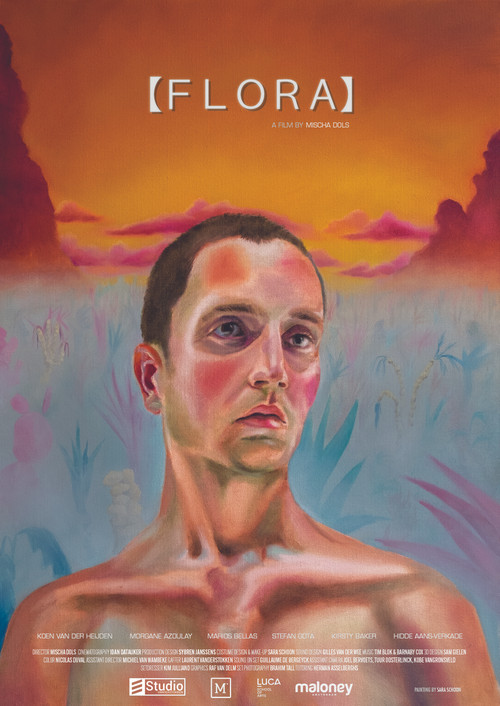
The festival presents an international competition of fiction and documentary features alongside retrospectives, exhibitions, and educational programming. Its curatorial identity is strongly oriented toward formally adventurous, non-commercial world cinema - work that prioritizes artistic ambition over marketability. FICUNAM has developed a reputation for selecting films from the margins of the international festival circuit, from filmmakers working in national traditions that are underrepresented at the larger European competitive festivals.
Mexico has a rich and complex cinematic heritage. The golden age of Mexican cinema in the 1940s and 1950s produced genre films - noir, melodrama, horror - of considerable quality and distinctive style. Mexican horror film, in particular, has a genealogy that stretches from the luchador horror films of the 1950s and 1960s - in which masked wrestlers battled vampires and other monsters - through to contemporary supernatural and psychological horror from directors who have achieved international recognition. FICUNAM, as a festival of ambitious world cinema rooted in Mexican soil, exists in dialogue with this tradition even when its programming focuses on international arthouse work.
The festival's location within a university environment shapes its character in important ways. Academic engagement with cinema - through lectures, symposia, and the involvement of faculty and students - is built into the FICUNAM model in a way that is less common at purely commercial or industry-oriented festivals. This gives the event an intellectual seriousness and a public accessibility, since UNAM events are generally open to a broad public, not just credentialed professionals.
FICUNAM also benefits from Mexico City's status as one of the great megalopolises of the Americas, with a film culture that includes art house cinemas, an active documentary scene, and strong connections to the international festival circuit through Mexican filmmakers who regularly appear at Berlin, Cannes, and other major events. The festival draws an audience that combines university students and faculty, Mexico City cinephiles, and international press and programmers.
For the CaSTV catalog, Mexico is a significant country in genre cinema history, and FICUNAM's role in sustaining and developing a serious film culture in Mexico City - one that values formal experimentation and international cinema - contributes to the environment in which thriller, horror, and other genre forms can be taken seriously as artistic practices. The festival has featured documentary and experimental works that push the boundaries of their forms, occasionally touching on the territory of surreal cinema and dark comedy in the broader Latin American tradition.