
Dubai International Film Festival
The Dubai International Film Festival was founded in 2004 in Dubai, United Arab Emirates, and across thirteen editions established itself as the largest and most internationally prominent film festival in the Arab world before its final edition in 2017, after which the event was put on indefinite hiatus.
The festival launched at a moment of rapid expansion in Dubai's cultural and infrastructure ambitions, and it was conceived from the outset as an event with genuine international scale. Within a few years of its founding it had attracted major Hollywood and world cinema figures, established red-carpet premieres, and built competitive sections that brought Arabic-language cinema into dialogue with international production in ways no previous regional festival had achieved.
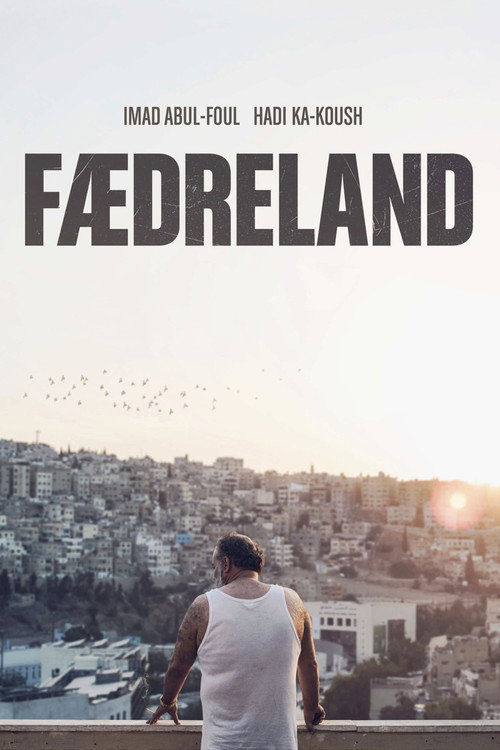
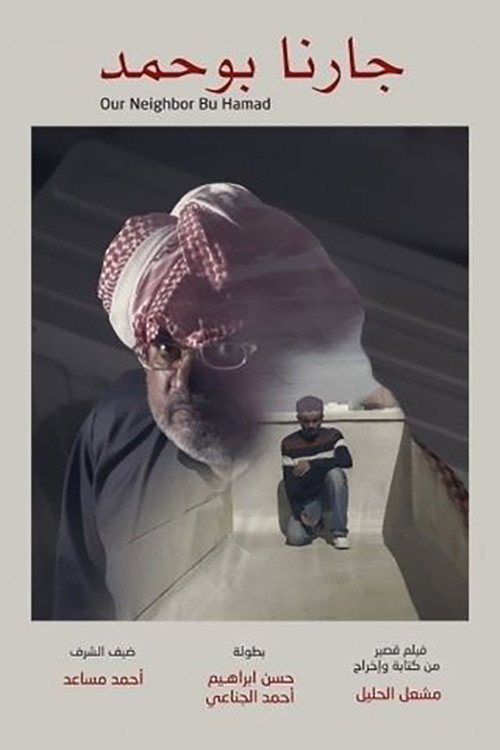
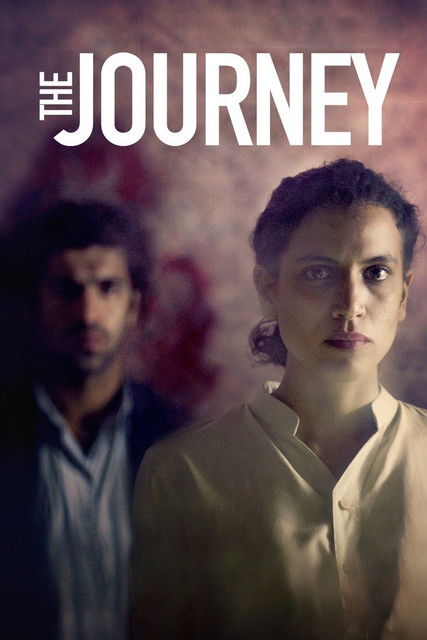
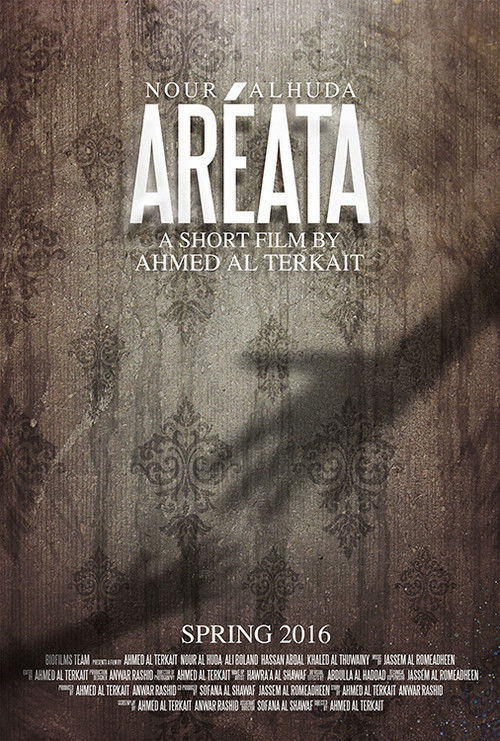
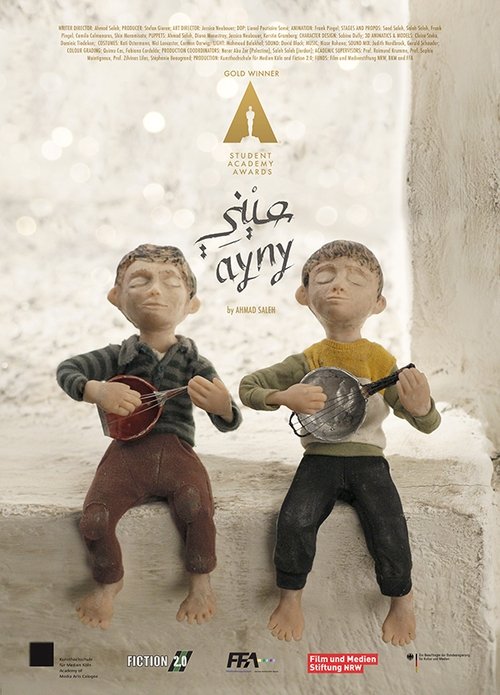
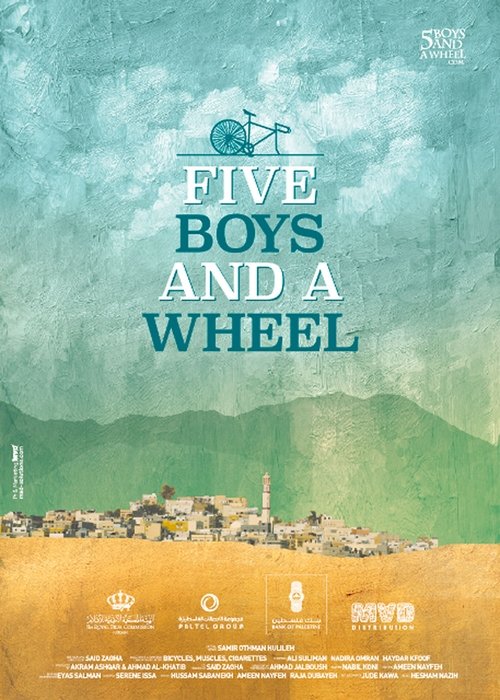
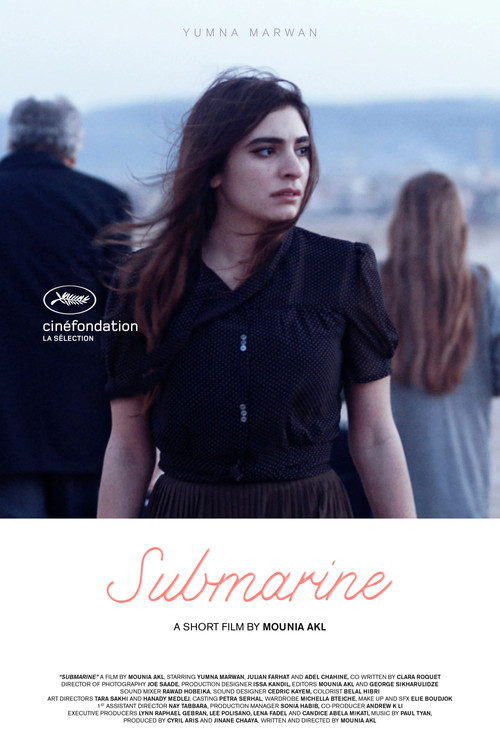
The Muhr Awards, named for the Arabic word for stallion, constituted the festival's main competitive section and recognised films from the Arab world across feature and short film categories. These awards, and the festival's consistent investment in Arab cinema as a central rather than peripheral element of the programme, made Dubai IFF genuinely important for the development of film culture across the Arab world. Filmmakers from Egypt, Lebanon, Jordan, Saudi Arabia, and the broader region used the festival as a primary platform for reaching international audiences.
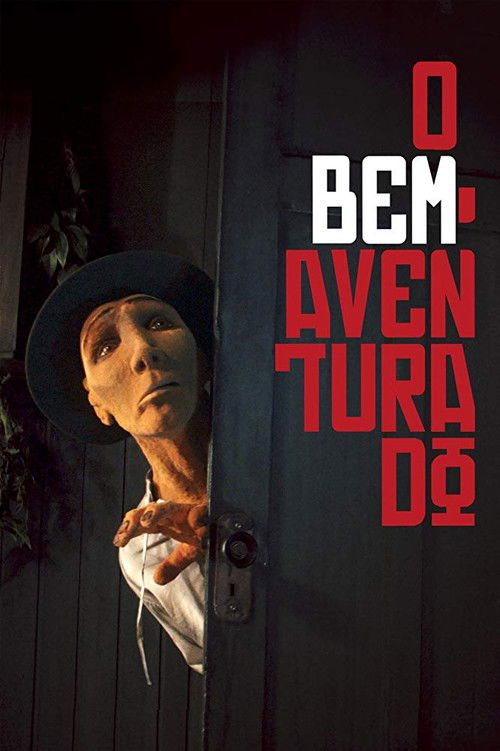
The international programme brought major films from European, Asian, and North American cinema to Dubai audiences, often including work from the major European festivals that was otherwise unavailable through commercial distribution in the UAE. The screenings took place at the Madinat Jumeirah complex, which became the festival's primary venue and gave the event a distinctive architectural backdrop that reinforced its positioning as a world-class cultural gathering.
Dubai's geographic position as a hub between Europe, Asia, and Africa gave the festival a particular logic as a meeting point for international film industry figures. The event attracted not only filmmakers and critics but also producers, distributors, and financiers working across Middle Eastern and international markets, giving it a genuine industry function alongside its public programming.
The festival included thriller, drama, documentary, and crime cinema across its international selections, reflecting a broad programming approach rather than genre specialisation. Arab cinema featured prominently in these categories, with many Arabic-language films touching on political complexity, social tension, and historical trauma in ways that engaged seriously with the region's contemporary realities.
Dubai IFF operated during years when the global film industry was paying increasing attention to the Arab world as both a content market and a source of distinctive filmmaking voices, and the festival played a role in shaping and reflecting that shift. Its decision to prioritise Arab cinema institutionally while simultaneously pursuing international prestige gave it a dual identity that most regional festivals have struggled to maintain.
The hiatus that began after 2017 left a significant gap in the Arab world's film festival landscape. The event's thirteen editions had established a template for what an Arab world film festival could be at the highest level of international ambition, and its absence has been felt by filmmakers and industry figures who had come to rely on it as a key point of connection in the region's film culture.