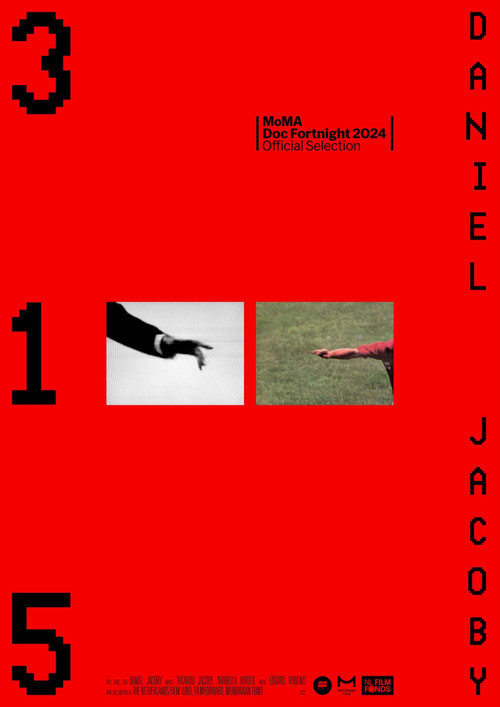
Doc Fortnight is the Museum of Modern Art's annual international documentary film festival, held in New York City since 2001 and operating as the only film festival presented directly by MoMA - making it one of the most institutionally distinctive documentary events in the United States.
The festival takes its name from the traditional British term for a two-week period, reflecting the roughly two-week span of its programming. Unlike commercial or market-oriented documentary festivals, Doc Fortnight is presented within MoMA's broader curatorial framework, which means its selections are evaluated by the museum's film department curators using the same criteria applied to MoMA's year-round film programming - criteria centred on historical significance, formal distinction, and the relationship of moving image work to broader questions in art and culture.
This curatorial context gives Doc Fortnight a specific character within the documentary festival landscape. The selections consistently emphasise work that pushes against the conventions of the documentary form - films that use experimental structure, documentary approaches that blur into essay film or personal cinema, and non-fiction work that engages with the aesthetics and methods of avant-garde filmmaking. The festival has never been oriented toward issue-driven or advocacy documentary in the mode common to many American non-fiction film events.
MoMA's institutional reach means the festival can attract filmmakers and works from across the full range of international documentary practice. Films from Japan, France, Germany, Brazil, Iran, South Korea, and dozens of other countries have featured in Doc Fortnight's programming across its two-plus decades, with particular attention to works that engage with documentary's formal and conceptual possibilities.
The festival's venue - MoMA's screening facilities in Midtown Manhattan - provides an art-institutional context that shapes how audiences approach the films. Screenings are accompanied by discussions and events that situate the work within broader cultural and historical conversations, and the festival's connection to MoMA's collections and exhibitions means that documentary programming exists in dialogue with the museum's visual art programming.
Doc Fortnight has been particularly associated with presenting international work that has not been widely seen in the United States before the MoMA screenings. The curatorial team actively seeks out films from less-represented regions and film cultures, giving the festival an international scope that goes well beyond the English-language documentary mainstream. This commitment to geographic breadth is consistent with MoMA's general film programming philosophy, which treats the history and practice of cinema as a global rather than a primarily American or Western phenomenon.
The festival's relatively small scale - it operates across roughly two weeks with a curated selection rather than the vast submission-based programming of events like Sundance or Hot Docs - means that each selected film receives significant curatorial attention and institutional framing. Inclusion in Doc Fortnight carries the weight of MoMA's institutional endorsement, which has made it an important credential for documentary filmmakers working in formally ambitious or politically complex territories.
Since 2001, Doc Fortnight has consistently maintained its identity as an event where the definition of documentary itself is treated as an open question rather than a settled category - a distinction that sets it apart from nearly every other non-fiction film event in the United States.
 International Documentary Film Festival Amsterdam
  Ann Arbor Film Festival
  DocumentaMadrid
  International Film Festival Rotterdam