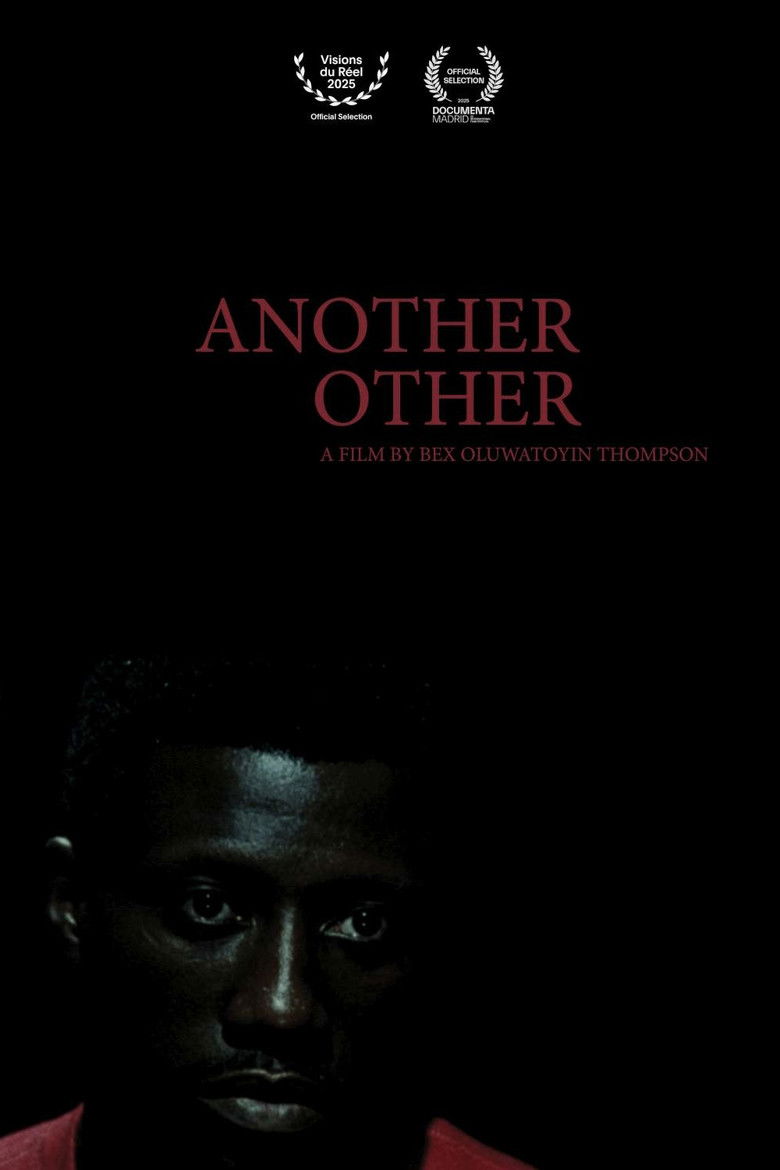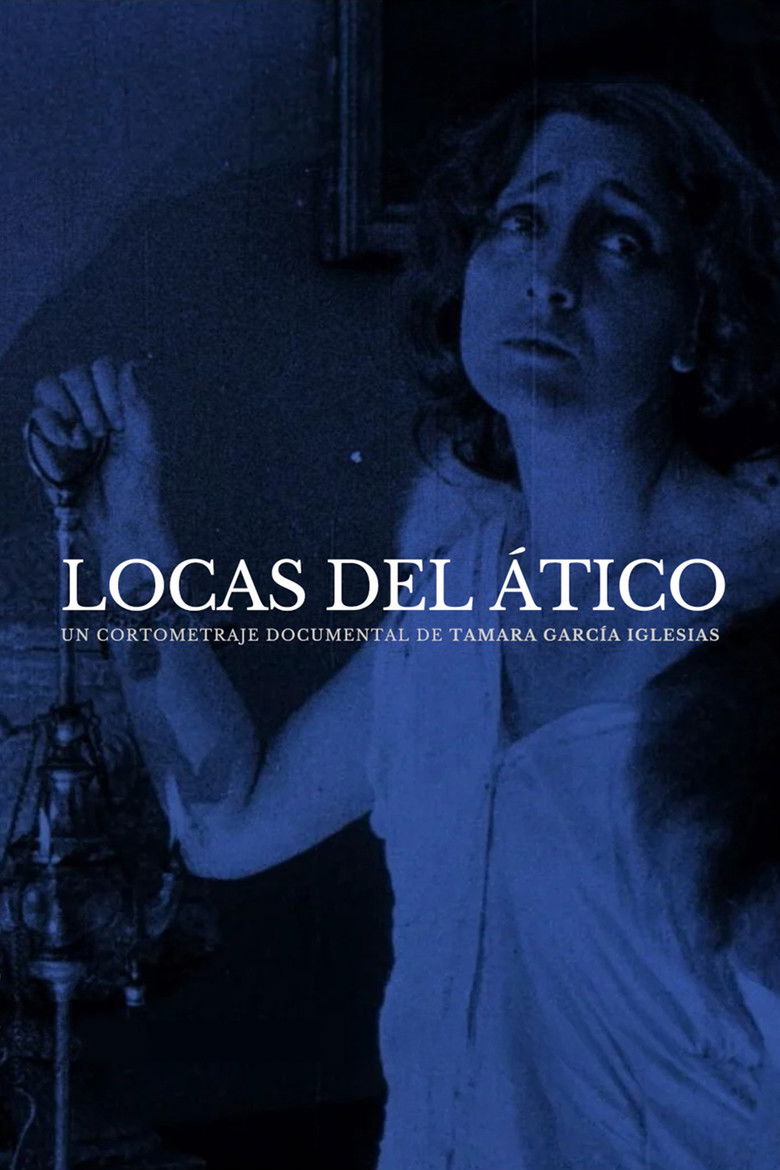

DocumentaMadrid is the City of Madrid's official documentary film festival, launched in 2004 and held annually each spring, making it one of the most important non-fiction events on the Spanish festival calendar. Organised by the Madrid City Council through its cultural programming arm, DocumentaMadrid operates from a position of institutional support that gives it stability and access to the city's major cultural venues, including the Cineteca Madrid in the Matadero cultural complex - a converted slaughterhouse in the Arganzuela district that has become one of the most distinctive film venues in Spain.
The Cineteca Madrid is central to DocumentaMadrid's identity. It is a dedicated documentary cinema space - rare in the Spanish exhibition landscape - that operates year-round but reaches its highest profile during the festival itself. The conversion of the Matadero from an industrial facility into a cultural space is emblematic of Madrid's post-transition cultural investment, and DocumentaMadrid's home within it signals the city's genuine commitment to documentary as an art form rather than a marginal category.
The festival's programme is divided into international and Spanish national competition sections, alongside sidebar programmes including a section focused on music documentary, retrospectives, and educational screenings. The international competition draws submissions from across the world, with strong representation from Latin American production - a reflection of the linguistic and cultural ties between Spain and Spanish-speaking countries in the Americas. Films from Mexico, Argentina, Colombia, and Chile appear regularly in both competition and sidebar sections, giving DocumentaMadrid a distinctly transatlantic character.
Spanish documentary production has undergone a significant expansion since the early 2000s, with filmmakers tackling the legacy of the Franco dictatorship, the economic crisis, mass migration, and the political tensions around Catalan independence and other regional identities. DocumentaMadrid has been the primary festival home for this work, providing Spanish documentarians with a domestic platform of genuine prestige. Films about historical memory - the recovery of Republican war dead, the testimonies of Franco's survivors, the archives of state violence - have been a recurring and important strand of the festival's programming, given the particular sensitivity of these subjects in contemporary Spain.
International political documentary is also a consistent feature of the programme. Films dealing with authoritarian governments, human rights, and social protest from Latin America, Eastern Europe, and the Middle East appear regularly, and DocumentaMadrid has not shied away from programming work that is politically charged. The festival's institutional base within city government does not appear to have constrained its critical engagement with difficult material.
For genre cinema viewers, DocumentaMadrid connects most directly to thriller and crime through its programming of investigative documentary. True crime, corruption investigations, and films structured around the exposure of wrongdoing engage with the same narrative mechanics as genre fiction, and DocumentaMadrid has programmed this kind of work with regularity. Spain itself has a rich tradition of thriller and horror cinema - from the Naschy films of the 1970s through the contemporary Spanish genre renaissance that produced works widely seen as international horror benchmarks - and the documentary tradition that DocumentaMadrid champions is not entirely separate from this inheritance.
Music documentary is given special emphasis at DocumentaMadrid through its dedicated sidebar, reflecting both Spain's rich musical culture and the international market for music non-fiction. Films about Spanish flamenco, Latin popular music, and international rock and electronic artists have all featured, giving this strand a breadth that mirrors the festival's general openness to popular culture alongside more politically serious material.
Awards at DocumentaMadrid include the Ciudad de Madrid prize and jury prizes in the main competition. The festival has also developed educational programming for school audiences, sustaining DocumentaMadrid's investment in long-term documentary audience development in the Spanish capital.
 International Film Festival Rotterdam
  Viennale
  IndieLisboa International Independent Film Festival
  Visions du Réel