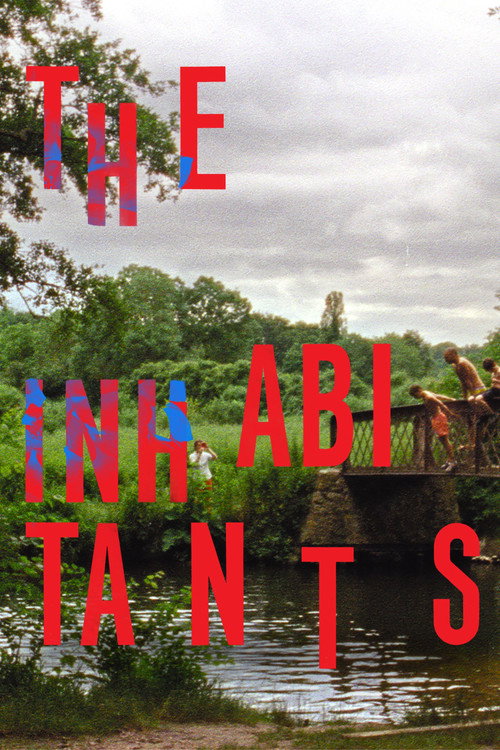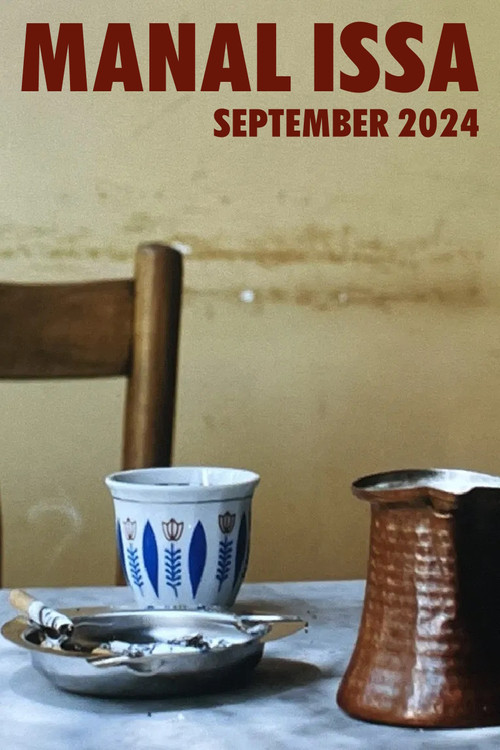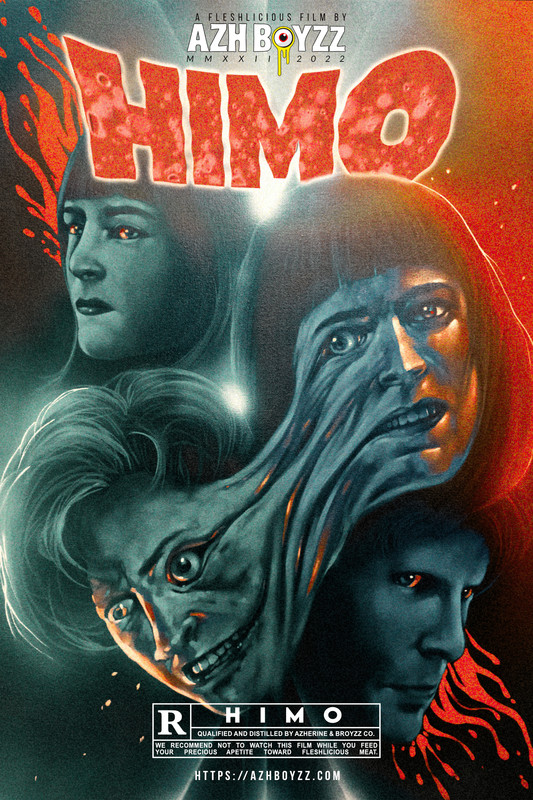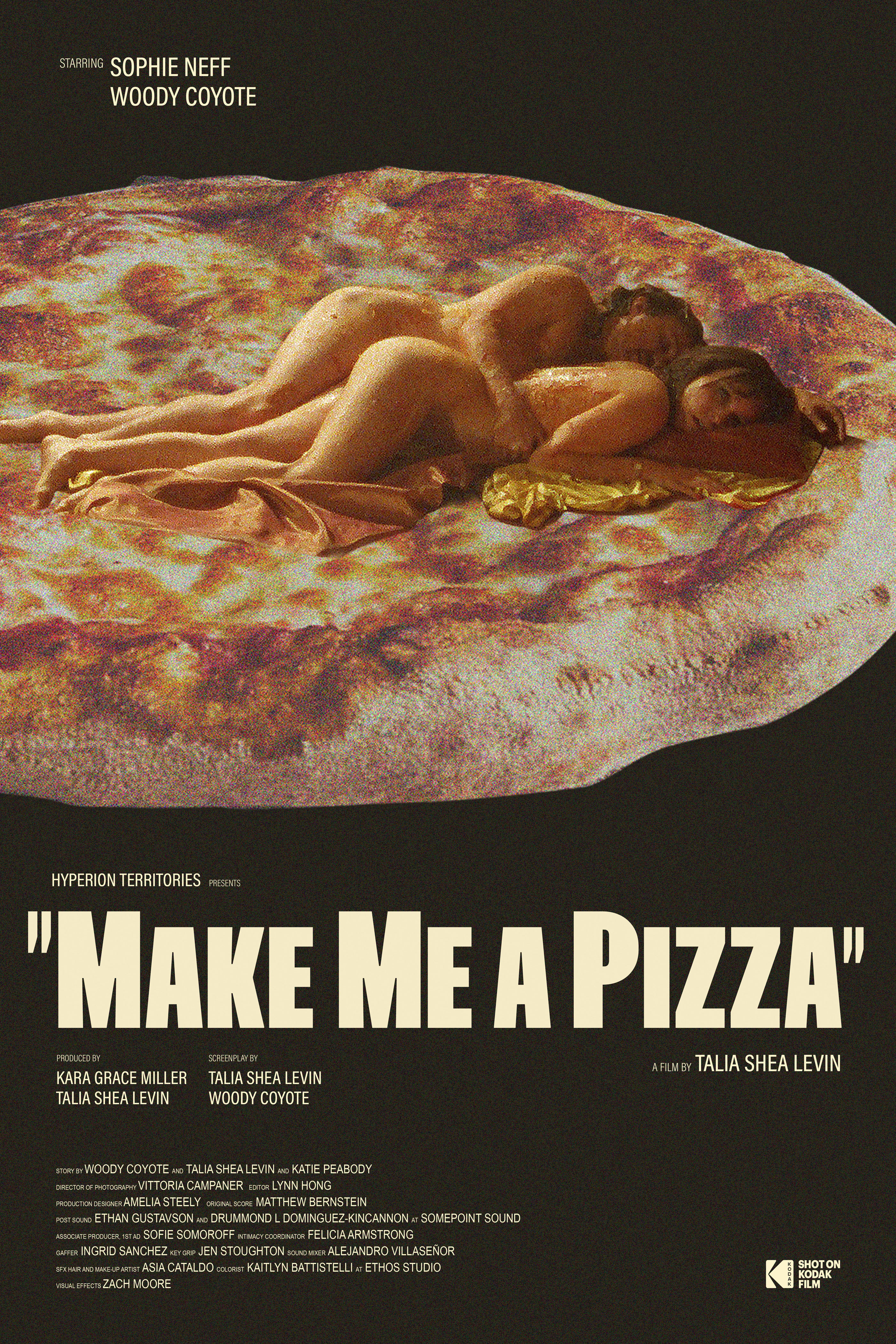

Cinéma du Réel, founded in 1978 and held annually at the Centre Pompidou in Paris, is one of the world's oldest and most intellectually rigorous international documentary film festivals, distinguished by its location inside one of Europe's major contemporary art institutions and its unwavering commitment to documentary as an artistic form rather than a journalistic or educational medium.
The festival was founded under the auspices of the Centre Pompidou and the Bibliothèque publique d'information (BPI), placing it within a cultural institution whose architecture - the famously inverted Renzo Piano and Richard Rogers building with its exposed structural and mechanical systems - is itself a statement about transparency, process, and the relationship between content and container. The festival has operated within this context for nearly five decades, and its programming reflects the Pompidou's orientation toward the avant-garde and the conceptually ambitious.
The international competition at Cinéma du Réel accepts feature-length and short documentaries from around the world. The jury awards include prizes for best film, best short film, and special jury mentions. What distinguishes the competition from most documentary festivals is the degree to which formally experimental work - non-linear structures, hybrid documentary-fiction approaches, essay film, and direct cinema with unusual subject matter - competes on equal terms with conventionally structured investigative or observational films. The festival has a history of honoring work that pushes the boundaries of what documentary can be, including films that approach experimental and surreal territory.
France has a particularly strong tradition of documentary filmmaking that refuses the boundary between documentary and fiction. Chris Marker, Agnes Varda, and Jean Rouch are among the French filmmakers who developed documentary modes that incorporated subjective perspective, poetic structure, and formal invention - modes that anticipated much of what is now called essay film. Cinéma du Réel has been a consistent supporter of this tradition and has screened retrospectives that trace its genealogy.
The festival's programming has included documentaries that engage directly with horror and genre cinema as subject matter - films about the making, history, and cultural function of exploitation cinema, horror film history, and cult film culture. These meta-genre documentaries have appeared alongside political, social, and formal-experimental work without contradiction, reflecting the festival's refusal to impose subject-matter hierarchies on documentary programming.
Documentaries dealing with violent conflict, extreme social conditions, and human brutality have also been part of the Cinéma du Réel program. Films that use documentary structures to address genocide, war, torture, and systemic violence engage with content that overlaps with thriller and horror in its subject matter, even when its formal approach is rigorously observational. The festival has not shied away from this territory, treating difficult content as a legitimate subject for documentary investigation.
The Centre Pompidou setting means that Cinéma du Réel takes place in one of the world's most visited contemporary art museums, and the audience it draws includes art world professionals as well as dedicated film viewers. This cross-disciplinary audience has shaped the festival's openness to hybrid works that move between cinema, video art, and installation - works that might not fit cleanly within any single exhibition context.
International programming has included documentaries from Japan, Iran, China, and South Korea that bring formal approaches shaped by distinct national documentary traditions into dialogue with the European essay film heritage. The festival has been particularly attentive to documentaries from political contexts where the form carries specific risks for filmmakers - work from countries where documentary subjects can face retaliation and where filmmakers operate under surveillance and censorship.
Cinéma du Réel has maintained its identity as a festival of ideas as well as films. The forum programs alongside screenings include discussions that engage with documentary ethics, the politics of representation, and the theoretical questions raised by hybrid documentary forms. This intellectual infrastructure has made it a reference point for documentary scholars and students internationally.
For the CaSTV database's interests, Cinéma du Réel is relevant primarily as a source of documentaries that examine exploitation, horror, and genre cinema history, and as a festival that has shown experimental documentary work that shares formal territory with the avant-garde dimension of genre filmmaking. Its location in France and within the Pompidou gives it an institutional legitimacy that amplifies the cultural value of documentary engagement with genre subject matter.
 Viennale
  Berlin International Film Festival
  International Film Festival Rotterdam
  International Documentary Film Festival Amsterdam