
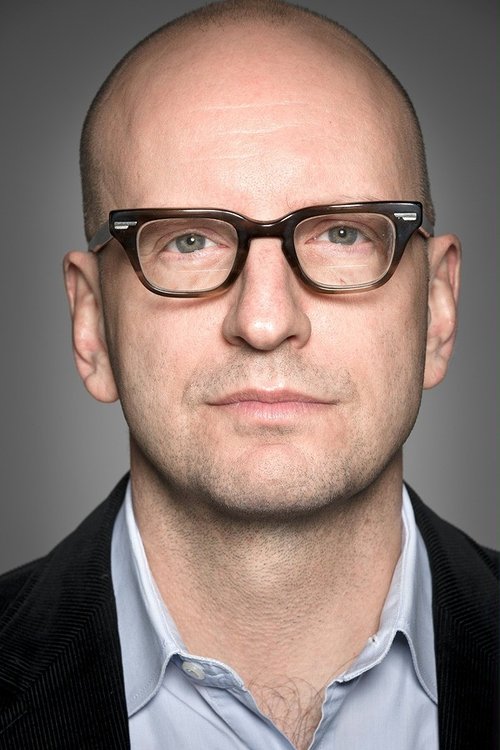
Steven Soderbergh
Steven Soderbergh is the kind of director who becomes more interesting once you stop asking whether the work fits neatly inside horror and start asking how it bends genre pressure to its own ends. On CaSTV, that matters more than a strict shelf label. Directors like Steven Soderbergh often move across adjacent forms, but the horror database remains one of the best places to see how menace, atmosphere, obsession, and bodily or social unease gather around a career. Even when the filmography ranges widely, the genre-facing work usually reveals a recognizable set of instincts about rhythm, image, and emotional abrasion.
In the current CaSTV dataset, Steven Soderbergh is best situated through festival circulation and repertory culture. That country context should not be treated as a bureaucratic footnote. It helps explain the industrial routes available to the work, the likely relationship between prestige and pulp, and the kinds of international circulation that shape later reputation. A director connected to a strong national industry will often reach horror through a different path than one working through marginal production, hybrid genre markets, or festival ecosystems. That is why it makes sense to read Steven Soderbergh alongside cluster pages such as Horror, Thriller, and Supernatural, while keeping an eye on broader national and transnational histories.
When discussing formative work, the safest and most useful point is method rather than myth. For Steven Soderbergh, their formative period matters because it establishes how they move between popular form and stranger, riskier textures. That is often where a horror-oriented viewer begins to recognize the director's signature. The tension may come from framing, from edits that refuse release, from deadpan tonal turns, from overwhelming atmosphere, or from the stubborn way a film sits between categories. CaSTV benefits from that approach because it avoids flattening a career into a single 'important' title and instead pays attention to how a body of work teaches viewers what kind of fear it knows how to produce.
That middle ground between category and signature is especially valuable for a database of horror and adjacent cinema. Some directors arrive through overt monsters or killers. Others generate dread through institutions, family structures, class panic, erotic disturbance, memory, or the slow corrosion of ordinary space. With Steven Soderbergh, the genre conversation often opens outward into Psychological Horror, Ghost, Occult, or Body Horror even if the filmography is not reducible to any one of those tags. The point is not to force a match but to identify which pathways of fear the work keeps activating.
The critical story is rarely uniform. Some writers emphasize influence, some emphasize inconsistency, and others value the career precisely because it resists clean hierarchy. For a director like Steven Soderbergh, that usually means the afterlife of the work depends on context. Festival programming, late critical rediscovery, niche repertory circulation, and database culture all matter. A career can look minor in one frame and indispensable in another. A film might play one year as a period curiosity and a decade later become newly legible through changing conversations around taste, exploitation, queerness, modernism, or national cinema. That is why pages like this should connect not only to genres but also to temporal clusters such as the 1990s and festival circuits like Fantastic Fest.
There is also a pragmatic reason to approach Steven Soderbergh through CaSTV rather than through a generalist biography. Horror databases preserve the tension between influence and instability. They allow a career to be contradictory without treating that contradiction as failure. If one film leans toward Serial Killer procedure, another toward Folk Horror atmosphere, and another toward Found Footage or Survival Horror intensity, the database view can still make sense of the whole. What remains consistent is the set of pressures the director returns to: panic, isolation, contamination, cruelty, uncanny repetition, or the sensation that normal life is already one step inside nightmare.
Country and circulation matter here again. A director's reputation is partly built by who keeps writing about the films, screening them, restoring them, and linking them to newer movements. For Steven Soderbergh, the relationship between critical standing and genre standing may not always be identical. Some filmmakers are canonized outside horror and rediscovered from within it. Others are championed first by cult viewers and only later granted broader seriousness. Still others remain stubbornly marginal, which can make them especially rewarding for CaSTV users looking beyond the usual canon. The page becomes a staging ground for that search rather than a final verdict.
The best way into Steven Soderbergh, then, is comparative. Follow the director through the country context, through adjacent genre tags, and through the historical frames that make certain films newly visible. Compare the work to Giallo, Thriller, Occult, or Documentary if those routes seem productive. Think about what changes when the films are placed beside a national cycle, a cult trend, or a festival history like Fantastic Fest. Seen that way, Steven Soderbergh is not just a filmography credit. It is a node in the larger argument CaSTV makes about how horror spreads across cinema, criticism, and time.
Filmography