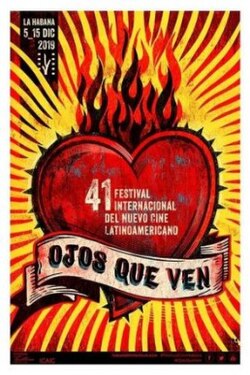
Havana Film Festival
The Havana Film Festival (Festival Internacional del Nuevo Cine Latinoamericano) was founded in 1979 and is the largest and most important film festival in Cuba - and by many measures the most significant annual film event in Latin America, functioning as the primary meeting point for Latin American cinema culture, filmmakers, critics, and audiences across the region.
The festival's founding in 1979 was rooted in the political and cultural context of the Cuban Revolution's engagement with Latin American solidarity movements. The Instituto Cubano del Arte e Industria Cinematograficos (ICAIC) - Cuba's state film organization, itself founded in 1959 as one of the Revolution's first cultural institutions - organized the festival as part of a broader project of Latin American cultural integration. The festival's full official name, "Festival of New Latin American Cinema," signals this foundational political commitment to a regional cinema that was, at the time, increasingly engaged with radical politics, social documentary, and an aesthetic project aligned with Third Cinema theory.
Over more than four decades, the Havana Film Festival has maintained this regional Latin American focus while expanding its international program. Films from Brésil, Argentina, Mexico, Chile, Colombia, and across Latin America and the Caribbean compete in the main sections, and the festival has consistently presented significant work from the region that would not otherwise receive international recognition. International films from Europe and beyond appear in parallel sections, giving Latin American films comparative context.
The festival's competitive awards - the Coral prizes, named for the coral-reef marine life of the Caribbean - are among the most prestigious honors in Latin American cinema. A Coral prize carries genuine weight within the regional film industry and has historically been a reliable indicator of films worth attention from international programmers and distributors.
Havana's location in Cuba has given the festival a particular character shaped by the Cuban state's relationship to cinema and culture. ICAIC's production over the decades has been substantial and internationally recognized - Cuban documentary, animation, and fiction film have all achieved international distinction - and the festival has been a showcase for this national production alongside its Latin American regional function.
Genre cinema in Latin America has deep roots - Mexico's golden-age horror and lucha-libre film traditions, Brazil's horror production, Argentine thriller et crime cinema - and the Havana festival has engaged with genre production from the region as part of a comprehensive view of Latin American film. Cuban cinema itself has included genre elements within its distinctive mode of political and social filmmaking.
The city of Havana provides one of the world's most visually distinctive festival settings. The decaying grandeur of the Vedado and Centro neighborhoods, the Malecon seafront, and the city's frozen-in-time quality relative to other Latin American capitals give the festival an atmosphere unlike any other. Principal venues include the Karl Marx Theatre and the cinemas of the Havana cultural infrastructure.
For researchers tracking Latin American cinema history and contemporary production, the Havana Film Festival's archive - covering more than four decades - is an essential record of the region's film culture. Information on the festival is available through habanafilmfestival.com.
 International Film Festival Rotterdam
  Mar del Plata International Film Festival
  Buenos Aires International Festival of Independent Cinema
  Cartagena Film Festival