
Buenos Aires International Festival of Independent Cinema
The Buenos Aires International Festival of Independent Cinema - known locally as BAFICI - has been one of Latin America's boldest showcases for unconventional filmmaking since its inaugural edition in 1999, consistently prioritizing works that fall outside the mainstream production and distribution circuits of Argentina and the wider Spanish-speaking world.
Founded under the auspices of the Buenos Aires city government, BAFICI carved out a distinct identity from the outset by championing low-budget, formally adventurous, and politically charged cinema at a moment when Argentine filmmaking was undergoing a profound generational renewal. The so-called New Argentine Cinema, a loose movement defined by handheld aesthetics, non-professional casts, and stories rooted in economic precarity, found in BAFICI its most visible international platform. Directors who went on to significant international careers - including Lucrecia Martel, Lisandro Alonso, and Pablo Trapero - were shown and recognized at the festival in its early editions, cementing its reputation as a discovery engine for serious art cinema from the southern hemisphere.
BAFICI typically takes place in April across multiple venues scattered through the city's central neighborhoods, including the multiplex-style complexes of Palermo and the historic cinemas of the Abasto district. The festival's decentralized geography reflects its democratic, street-level spirit - tickets are affordable, queues are long, and the audience is notably young compared to European festival counterparts. In any given edition, BAFICI screens well over 300 films drawn from more than fifty countries, a volume that places it among the larger competitive festivals in the world by sheer program size.
The competition structure divides into international and Argentine sections, with a separate sidebar for documentaries and another for Argentine short films. A jury of filmmakers and critics awards a set of prizes that have tracked many future canonical titles before wider distribution reached them. The festival has also maintained a significant retrospective strand, with themed surveys of directors, national cinemas, and movement histories offering dense archival programs alongside the premieres.
For viewers whose primary interests run toward genre cinema, BAFICI is a worthwhile point of reference even though it is not a genre-specialist festival. The programming team has historically been open to formally rigorous work that sits at the intersection of thriller or horreur and art cinema - Argentine directors such as Lucrecia Martel have screened films at BAFICI that combine a palpable atmosphere of dread with the elliptical visual grammar of slow cinema, and international selections have included films from Asia and Eastern Europe that inhabit the borders between psychological-horror and literary drama. BAFICI does not segregate these works into a midnight or genre sidebar; they compete in the main program on equal terms with social realist drama and documentary, which reflects the curators' refusal to treat genre as a lesser category.
Argentina itself has produced a modest but distinctive body of genre film over the decades, from the horror production of the 1970s through to the internationally distributed work of directors like Adrián García Bogliano in the 2000s and 2010s. BAFICI has occasionally contextualized this local genre heritage through retrospective programming, placing contemporary Argentine horror in dialogue with the broader history of the country's popular cinema.
The festival operates without a permanent venue structure comparable to a dedicated film palace, relying instead on its spread across urban multiplexes and repertory houses. This arrangement gives BAFICI a texture closer to a metropolitan cultural happening than a formal industry showcase. International press and buyers attend in significant numbers, but the public audience - student filmgoers, cinephiles, and curious city residents - remains the primary constituency the organization serves.
In a broader Latin American context, BAFICI sits alongside festivals in Cartagena, Havana, and Mar del Plata as a major node of film culture, though its programming sensibility is distinctly more art-house and internationalist than some of its regional peers. Its founding in 1999 came at a moment of acute economic and political crisis in Argentina, and that origin has shaped the festival's abiding commitment to cinema that speaks from the margins rather than from positions of institutional power.
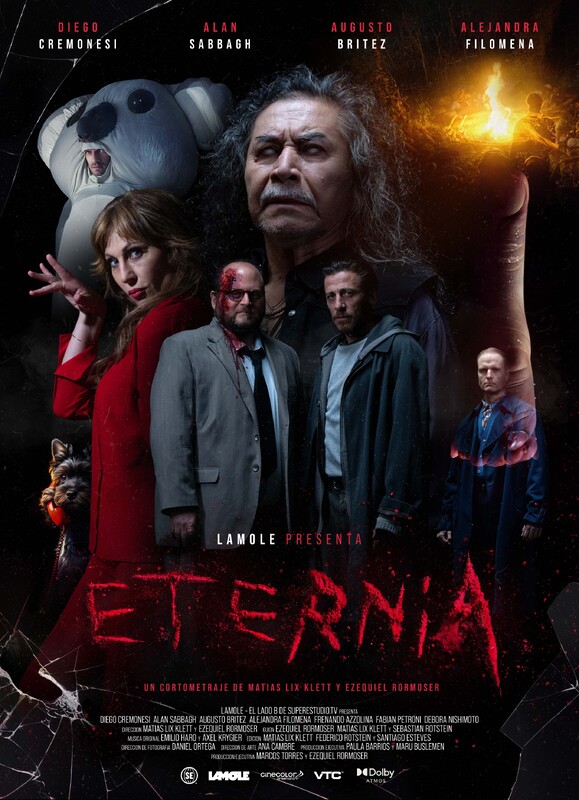
For CaSTV's catalog of genre cinema from Argentina, BAFICI represents a useful contextual anchor - not a dedicated horror or exploitation showcase, but one of the most significant festivals on earth for understanding what serious, independently produced filmmaking from the region looks and sounds like.
 International Film Festival Rotterdam
  Berlin International Film Festival
  Toronto International Film Festival