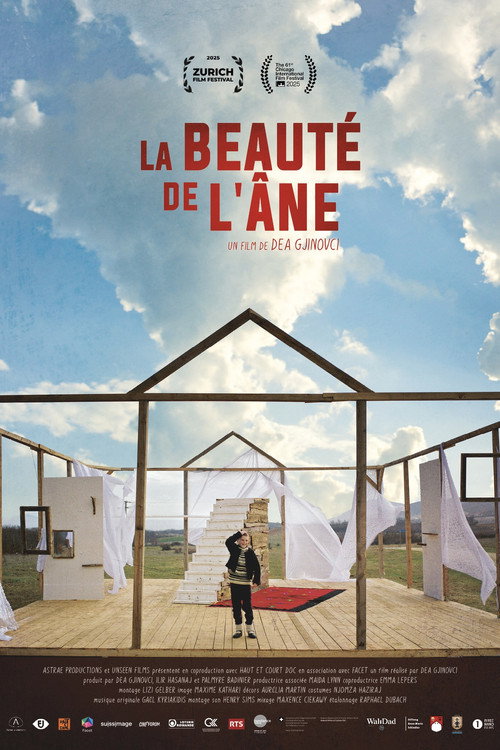

Zurich Film Festival
The Zurich Film Festival, founded in 2005 and held each autumn in Switzerland's largest city, has grown with unusual speed into one of the most significant competitive film events in the German-speaking world, positioning itself as a premiere destination for international auteur cinema while simultaneously cultivating a large and genuinely enthusiastic urban audience.
The Golden Eye, the festival's main competitive award for international fiction features, is the centrepiece of a competitive programme that also includes a competition for documentary films and a separate competition dedicated to German-language cinema from Germany, Austria, and Switzerland - the latter section reflecting the festival's commitment to the cinematic culture of its own linguistic sphere. The Focus competition for German-language work has provided significant visibility for Swiss filmmaking in particular, supporting an industry that is small by population but has produced directors of considerable international stature.
The festival's founding in 2005 gave it the advantage of learning from existing European festival models while also entering a landscape where its particular geographic and cultural positioning - Zurich as Europe's financial capital, with the cosmopolitan audience and corporate sponsorship possibilities that implies - distinguished it from older events in smaller Swiss cities. The combination of serious programming and effective fundraising has allowed the Zurich Film Festival to build its programme and its guest list at a pace that older events with similar ambitions rarely managed.
Switzerland's position at the intersection of German, French, and Italian cultural spheres gives the Zurich Film Festival an interesting programming context. Unlike festivals in monolingual countries, ZFF operates in a multilingual environment where audiences bring multiple European cultural references to the films they watch, and where the festival's international programming decisions have implications for how different linguistic communities in Switzerland encounter world cinema.
The festival's retrospective programming and its Focus on World Cinema sections have consistently made space for the full range of international film culture, including genre cinema. Thriller and crime films from European and international industries have featured alongside prestige art cinema and literary adaptations in the ZFF programme, and the festival does not operate with the implicit hierarchy between genre and non-genre work that characterises some European prestige festivals.
The industry programme at the Zurich Film Festival - including the ZFF Forum for co-production and development - has grown in significance alongside the festival's competitive reputation. For Swiss producers and directors, the ZFF provides an industry context that the country's small domestic market cannot otherwise sustain, and the presence of international sales agents, distributors, and co-production partners at the festival has made it a meaningful business event alongside its cultural function.
The outdoor and cinema screenings that characterise the ZFF's public programme - including events at the Zurich Opera House forecourt and at lakeside venues - give the festival an atmospheric public face that extends well beyond its competitive screenings. Zurich's quality of life, its combination of urban density and natural beauty at the edge of the Alps and the lake, provides a setting that makes attending the festival an experience beyond the cinema programme itself.
For Germany, Austria, and Switzerland together, the Zurich Film Festival has become an important autumn gathering point for the German-language film community - a function previously served more exclusively by the Berlin International Film Festival, which remains the dominant event in the German-speaking world but which is oriented primarily toward the international press and industry rather than toward the German-language film community specifically.
Guest appearances by major international directors, actors, and cinematographers have become a significant feature of the ZFF, and the festival's Golden Eye for Lifetime Achievement has been awarded to figures of genuine stature in world cinema. That aspect of the programme helps sustain the audience enthusiasm that underlies the festival's commercial and cultural success.