
Il Cinema Ritrovato
Il Cinema Ritrovato - "Cinema Rediscovered" - has been held annually in Bologna since 1986, making it the world's foremost film restoration festival and one of Italy's most intellectually distinctive cinema events. The festival is organised by the Cineteca di Bologna, one of Europe's leading film archives, and its entire programme is built around films that have been restored, rediscovered, or preserved - works that might otherwise have been lost, that exist only in partial or degraded form, or that have been absent from public circulation for decades.
The Piazza Maggiore outdoor screening in Bologna's main square is one of the great cinematic experiences in Europe: films projected onto a vast screen before thousands of people in one of Italy's most beautiful medieval piazzas, under the open night sky. This setting gives Il Cinema Ritrovato a ceremonial quality that indoor festival screenings cannot replicate, and it draws audiences who might not attend specialist archival cinema events in any other context.
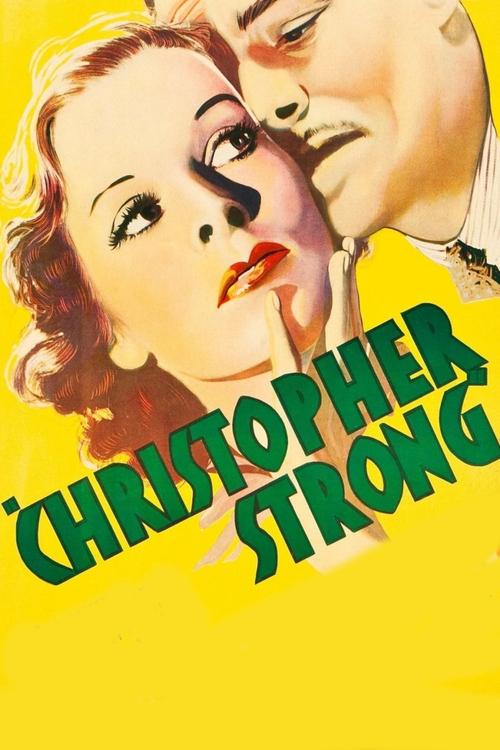
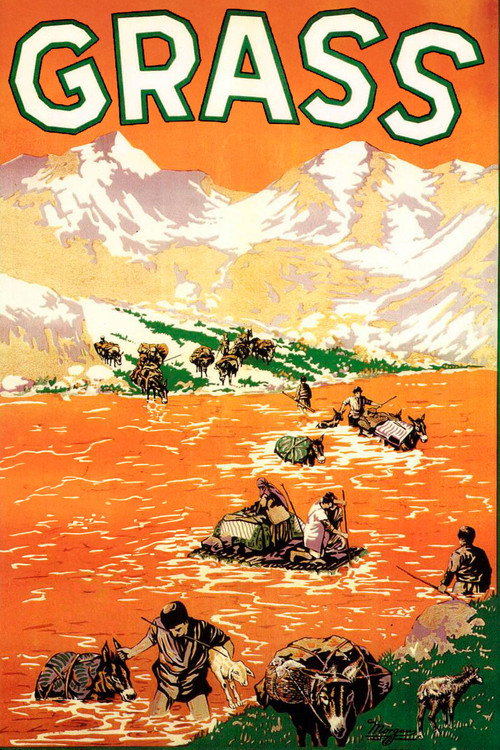
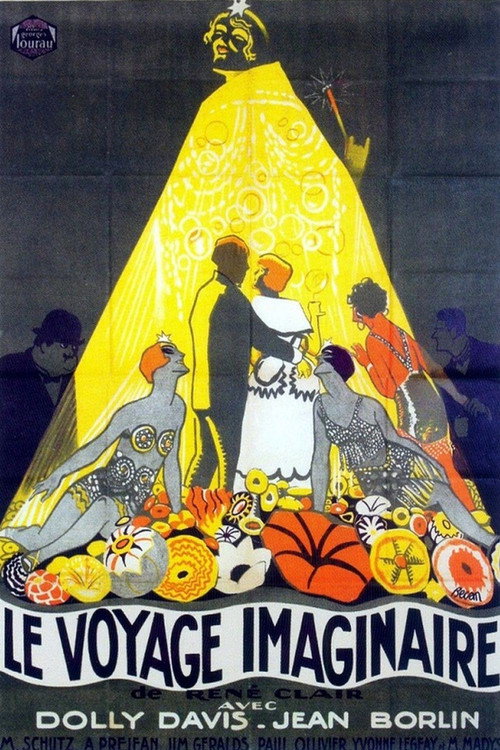
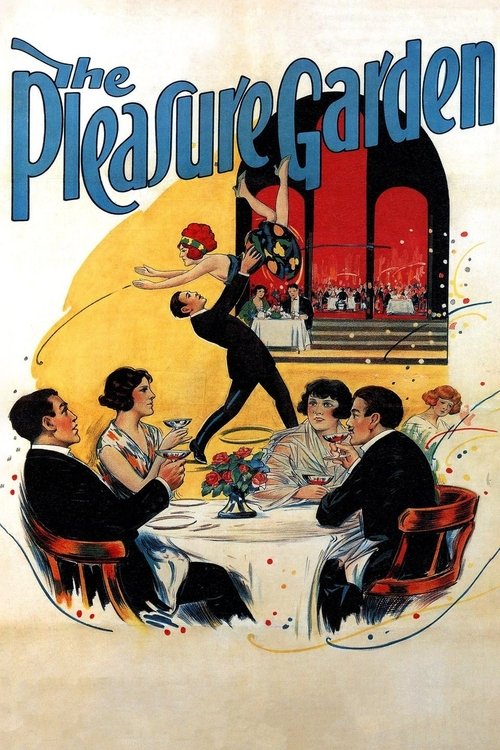
The festival's programme spans the entire history of cinema, from the earliest silent films of the 1890s to recent restorations of films from the 1970s and 1980s. A single edition might include restored prints of early silent-film experiments, rediscovered studio films from the classical Hollywood period, neglected masterworks from Japanese or Indian cinema, and newly struck prints of exploitation and genre films from postwar Europe and America. The range is extraordinary and reflects the Cineteca di Bologna's archival mandate: all films that exist deserve to survive, not only the ones that critics and institutions have already decided are important.
This non-hierarchical approach to film history has made Il Cinema Ritrovato particularly significant for genre cinema. Exploitation films, horror pictures, giallo thrillers, crime films, and the full range of popular genre filmmaking from Italy and elsewhere are part of the festival's programme in ways that purely prestige-oriented archival events would not permit. The Cineteca di Bologna has been involved in restoring several Italian genre films, and Il Cinema Ritrovato has screened restorations of giallo and Italian horror works alongside the Rossellinis and Viscontis that more conventionally highbrow archives prioritise.
Italian genre cinema from the 1960s and 1970s - the great period of giallo, poliziottesco, and exploitation production - is precisely the kind of cinema that Il Cinema Ritrovato's approach is designed to rescue from neglect. Films that were commercially dismissed, that existed only in heavily edited prints, or that were associated with low-prestige production contexts have been restored and reconsidered in the festival's programme.
The festival also serves an important industry function. Film professionals working in archiving, restoration, preservation, and access attend Il Cinema Ritrovato for its parallel conference, workshops, and professional screenings. The festival is a meeting point for the international film preservation community, and decisions made at Bologna about what to restore and how to restore it shape what future audiences will be able to see.
Italy's own contribution to cinema history is vast and encompasses genres, movements, and industrial traditions that mainstream film history has been slow to fully account for. Bologna, with its deep connection to Italian communist political culture, its architectural beauty, and its university tradition, provides a fitting home for a festival that insists on cinema's full history rather than a curated selection of it.
For anyone interested in cinema history, film restoration, or the recovery of lost and neglected work - including the substantial portion of genre cinema that has been lost, degraded, or made inaccessible by archival neglect - Il Cinema Ritrovato is genuinely irreplaceable.