
DOK Leipzig
DOK Leipzig is the world's oldest documentary and animated film festival in continuous operation, founded in 1955 in Leipzig, then the capital of cultural life in East Germany, and it holds a singular place in documentary history as an institution that developed entirely within a socialist state before reunification transformed both its context and its programming mandate. Still held annually in October or November, the festival takes place in Leipzig - now the largest city in the German federal state of Saxony - and draws filmmakers and industry professionals from across Europe and beyond.
The festival's founding in the German Democratic Republic meant that it operated for over three decades under conditions of state oversight and ideological constraint that paradoxically produced some genuinely innovative documentary work. The East German documentary tradition, developed at the DEFA film studio, approached non-fiction filmmaking with formal ambition and political seriousness that distinguished it from both Western commercial documentary and Soviet agitprop. DOK Leipzig was the festival where this tradition was showcased and debated.
After German reunification in 1990, DOK Leipzig underwent a substantial transformation, opening itself to international programming and market activities that were impossible under the previous regime. The festival retained its historical identity and its commitment to documentary and animation as serious art forms while expanding its competitive sections to include films from around the world. This reinvention was not merely programmatic but institutional: the festival built new relationships with international broadcasters, distributors, and co-production partners.
The competitive structure awards the Golden Dove - the festival's main prize - across categories for international documentary feature films, international animated films, German documentary films, and short films in both categories. The Golden Dove has been awarded since the festival's earliest years and carries significant historical weight in European documentary culture. Past recipients span the range of non-fiction approaches, from observational cinema to experimental essay work.
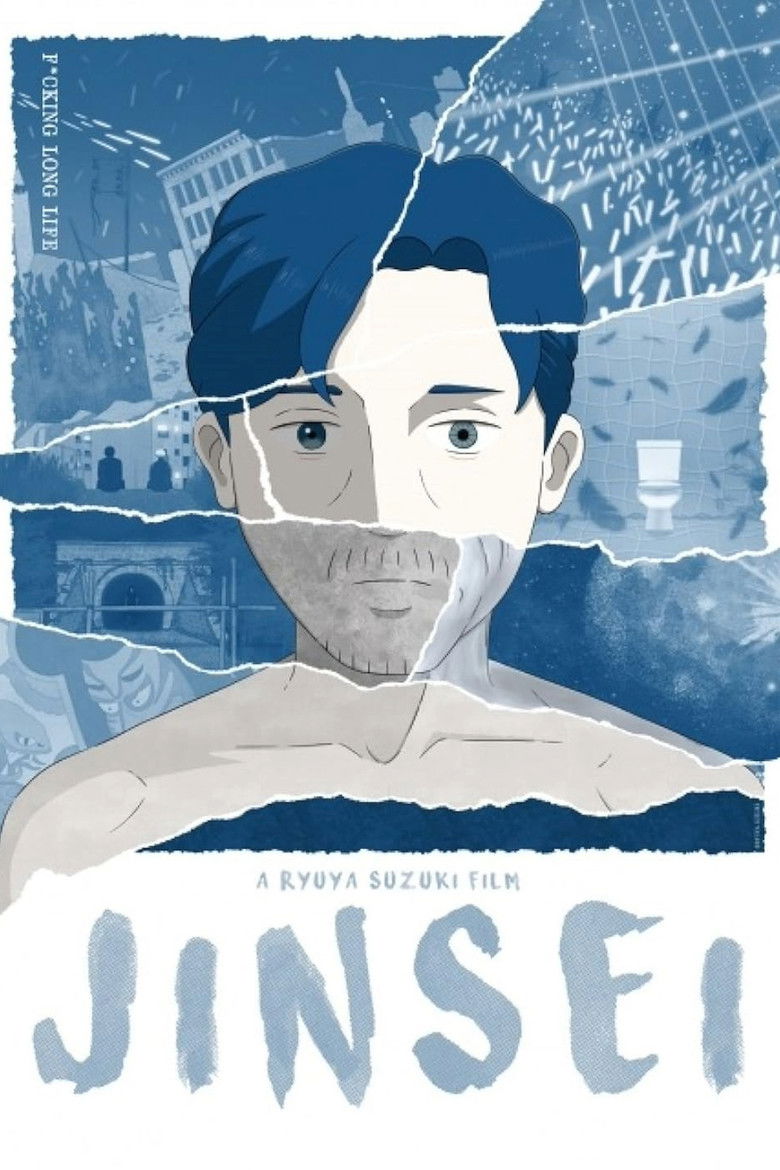
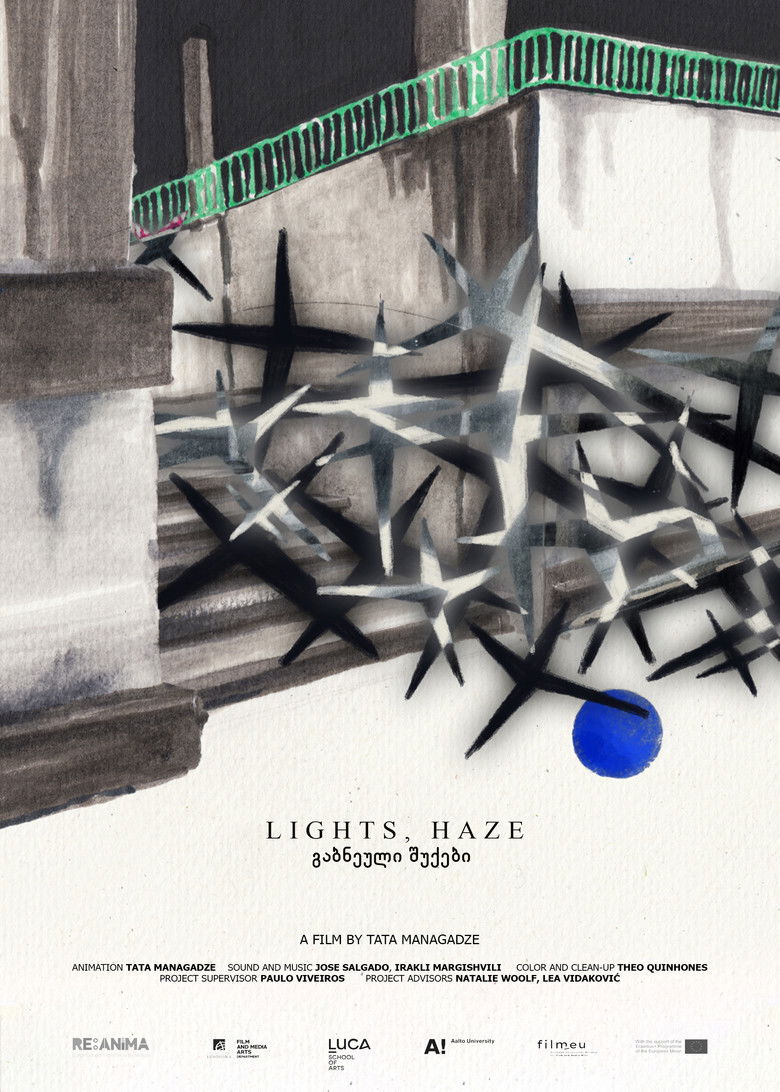
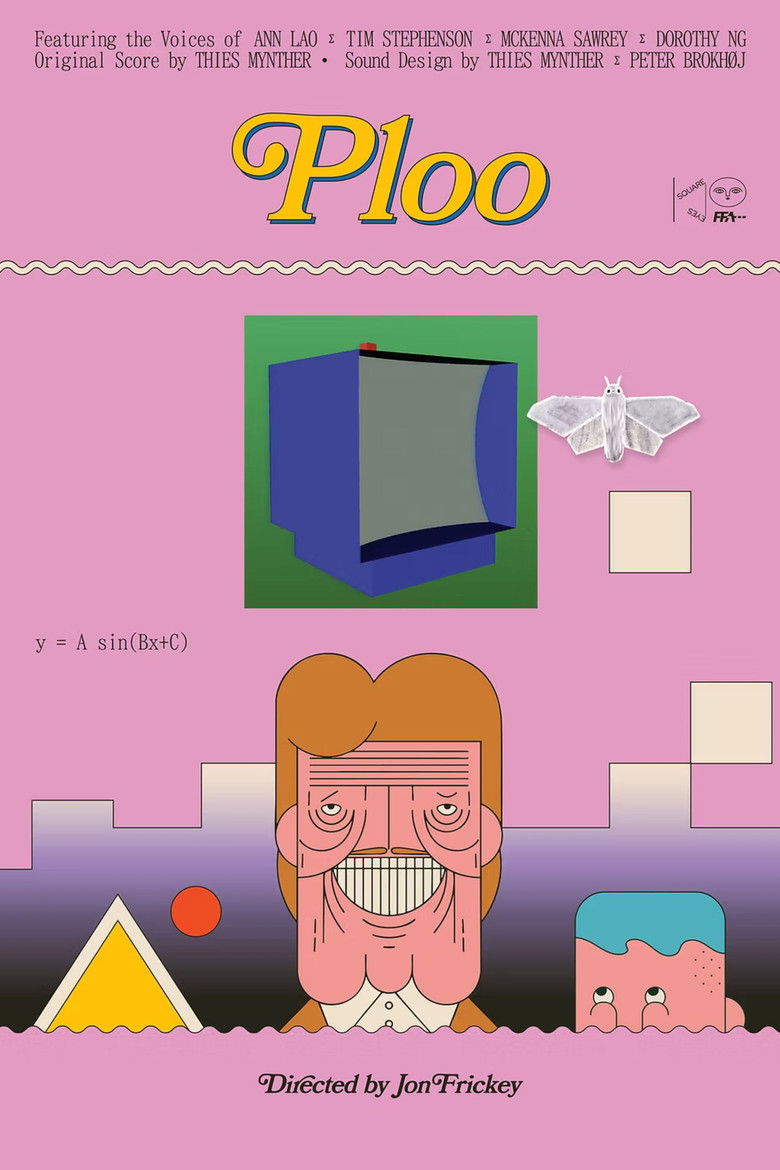
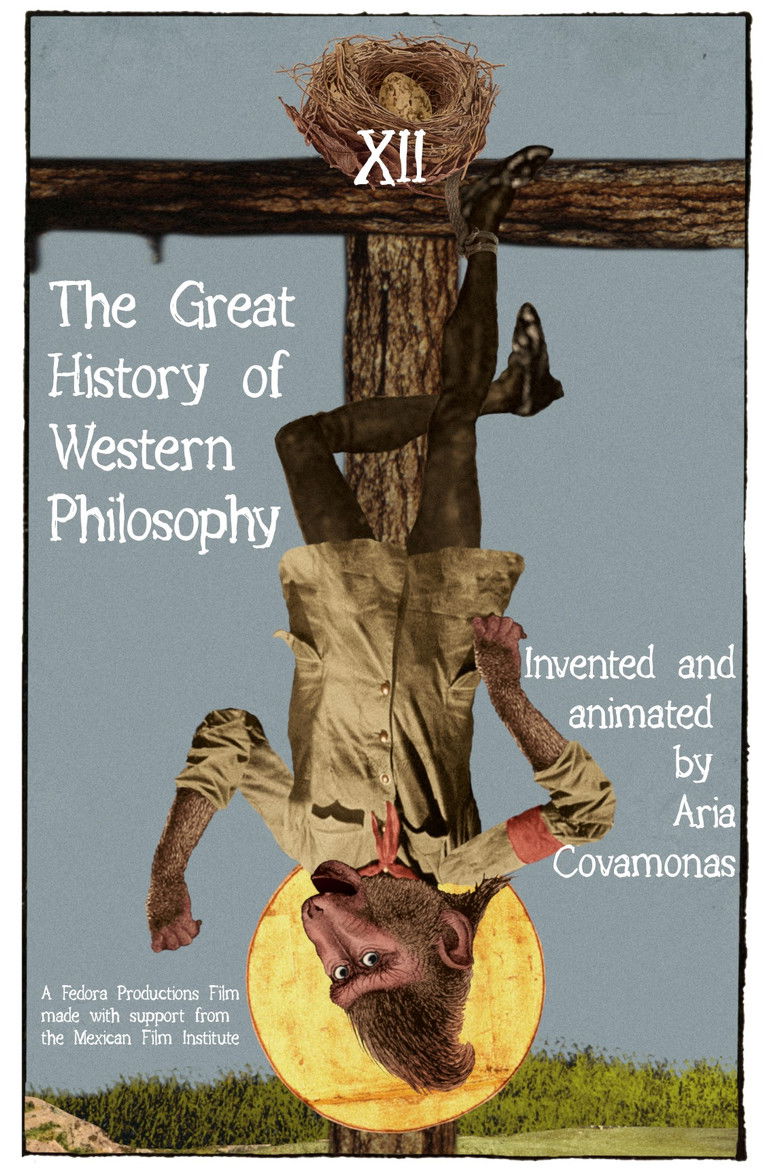
Animation as a co-equal partner to documentary is a defining feature of DOK Leipzig that distinguishes it from most documentary festivals. The festival treats animated film as a medium for serious non-fiction expression rather than as children's entertainment or pure artistic experiment. This has made it a significant destination for animated documentaries - a hybrid form that has grown considerably in the 21st century - and for experimental animation that pushes at the boundaries between representation and abstraction.
The Germany connection gives DOK Leipzig a particular relationship to 20th-century history. Films dealing with the Nazi period, the Holocaust, the division of Germany, Stasi surveillance, and the experience of reunification recur across the festival's programming, and the Leipzig location - a city whose own history includes the peaceful protests that helped bring down the East German government in 1989 - gives these historical themes an immediate grounding.
The industry component of DOK Leipzig has grown substantially since reunification. The DOK Industry section organizes pitching sessions, project forums, and networking events that connect documentary producers with German public broadcasting (ARD, ZDF, Arte) and international commissioners. German public television remains one of the most significant sources of documentary financing in Europe, and DOK Leipzig provides a structured context for filmmakers to access this funding ecosystem.
For filmmakers working in experimental documentary modes - found footage, archival assemblage, essay film, personal documentary - DOK Leipzig has maintained programming that places these approaches in dialogue with the broader non-fiction tradition. Work that uses documentary materials in disorienting or formally radical ways has historically found a receptive selection committee.
The festival's longevity - over seven decades of continuous operation across dramatically different political and cultural conditions - makes it a living archive of documentary history and an institution whose continued relevance reflects the ongoing vitality of non-fiction cinema in Germany and across the world.