The Cleveland International Film Festival, founded in 1977, is among the oldest and largest film festivals in the American Midwest, and it holds the unusual distinction of running one of the longest continuous competitive programs of any regional American festival - the Cinema Showcase competition awards prizes to narrative features, documentaries, and shorts selected from submissions representing dozens of countries. Held annually in spring in Cleveland, Ohio, it has grown from a small independent cinema event into a multi-week hybrid event with both in-person and online components.
Cleveland's identity as a post-industrial Rust Belt city has always shaped the festival's programming sensibility. The audience appetite for challenging and genre-inflected cinema is strong in the city, and the festival has consistently programmed work that a mainstream multiplex audience in the same metro area would never encounter. This includes significant representation of horror, thriller, and sci-fi films in both the competitive sections and sidebar programs.
The festival's competitive structure distributes prizes across multiple categories, with an audience award playing a prominent role alongside jury honors. The audience award is particularly meaningful at CIFF because the festival genuinely draws a large local audience - tens of thousands of tickets sold per edition - rather than existing primarily as an industry event. This audience engagement gives the festival a vitality that purely industry-facing events often lack.
The festival's genre programming has been a consistent draw. CIFF regularly programs horror features and shorts that arrive with festival credentials from Sundance, SXSW, or the European fantastic film circuit, giving Cleveland audiences access to the best independent horror of each year. This programming is not a specialty sidebar but integrated into the main festival body, reflecting the selection committee's genuine interest in the genre.
Documentary programming is extensive at CIFF, and the festival has developed a strong track record for selecting investigative and socially engaged non-fiction work that subsequently reaches national distribution. Ohio and the broader Midwest provide both subjects and filmmakers for documentary work dealing with manufacturing decline, opioid crisis, racial justice, and working-class experience, and the festival has been attentive to this regional dimension.
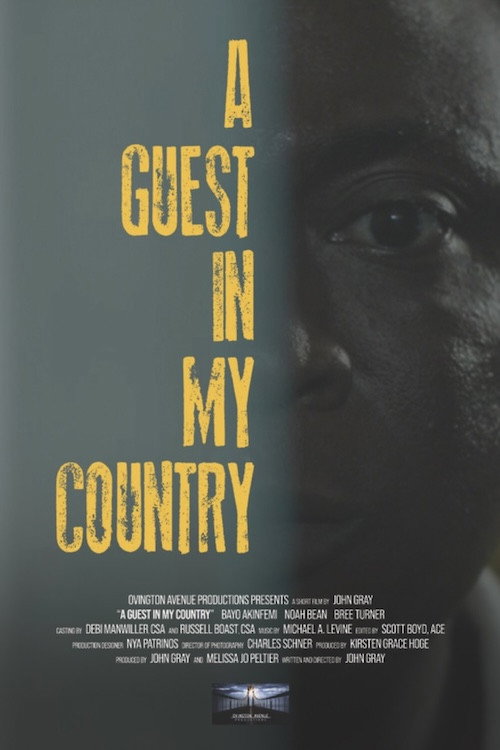
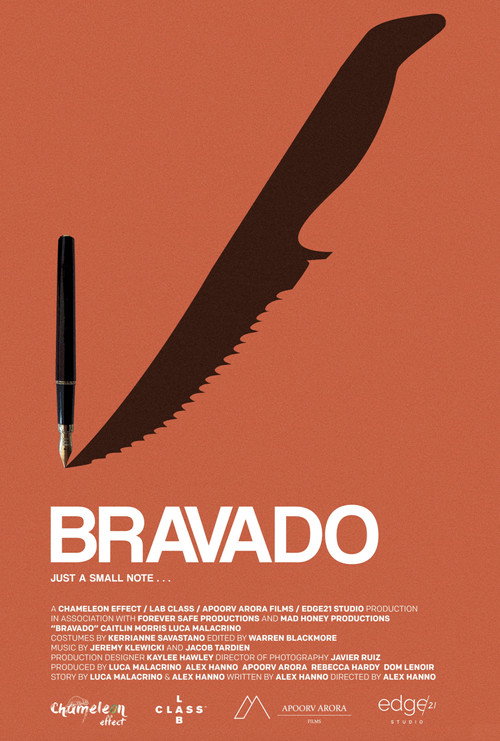
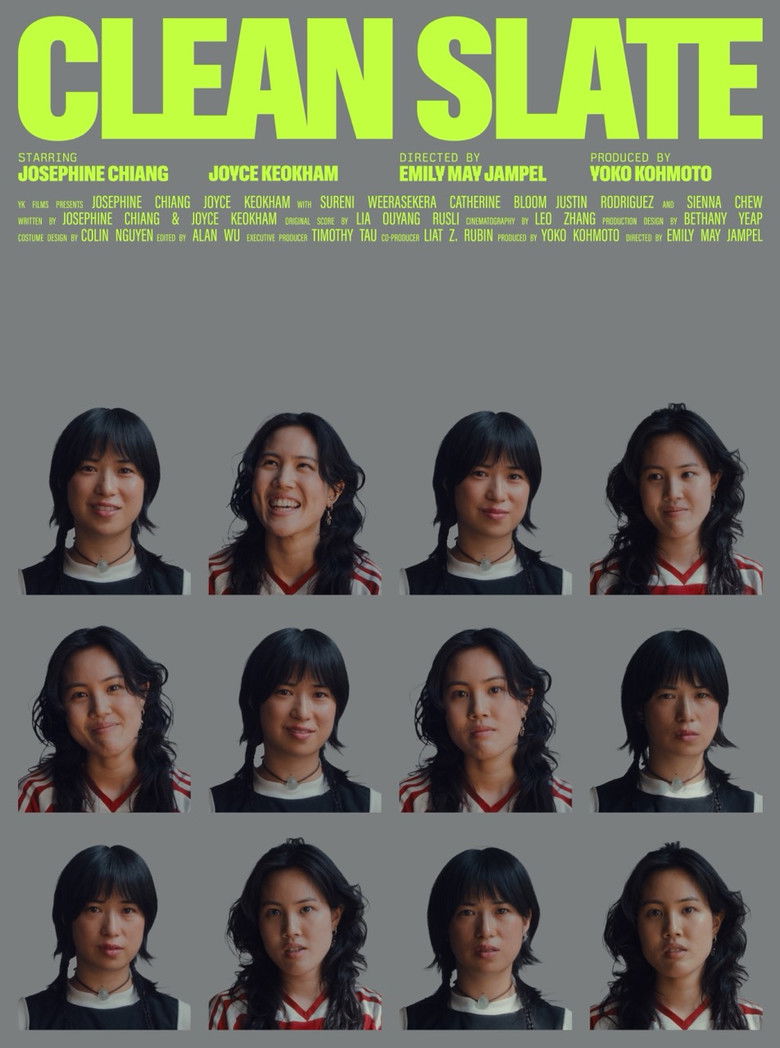
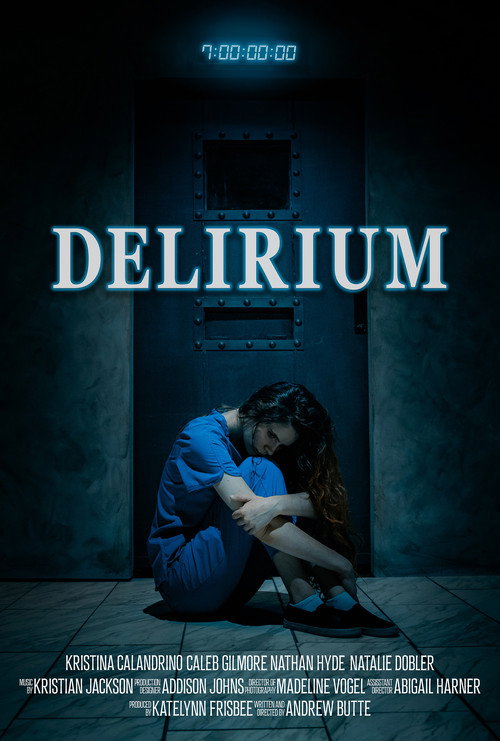
The short film program at CIFF is substantial: hundreds of shorts are screened across the festival's run, with competitive categories for narrative, documentary, and animated short films. The short program has served as an incubator for Ohio-based filmmakers, and the festival's history includes early screenings of work by directors who went on to significant careers.
The online expansion of the festival, which accelerated following the pandemic, has allowed CIFF to reach audiences beyond northeast Ohio and has transformed it into a hybrid event that maintains its local roots while functioning as part of a national independent film circuit. Films that screen online through CIFF reach audiences who might otherwise have no access to festival-quality independent cinema.
CIFF's relationship with the local filmmaking community in northeast Ohio - a region that includes Akron, Youngstown, and other cities with their own film traditions - is a distinguishing feature. The festival has maintained educational programming, school screenings, and filmmaker development initiatives that connect it to the broader regional creative ecosystem.
The United States independent film economy relies on regional festivals like CIFF to provide theatrical screening opportunities, audience feedback, and press coverage for films that cannot secure wide commercial distribution. In this context, Cleveland plays a genuine role in the national independent film ecosystem, not merely as a local event but as part of the infrastructure that keeps independent cinema viable.
 Crystal Palace International Film Festival, London UK
  HollyShorts Film Festival
  Tribeca Film Festival