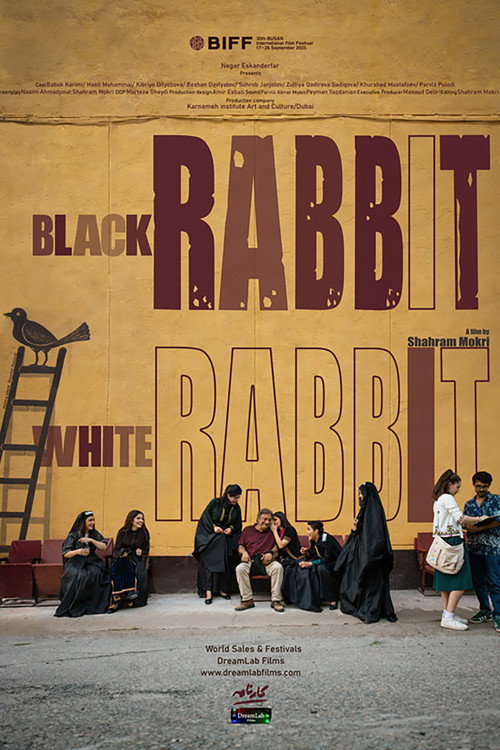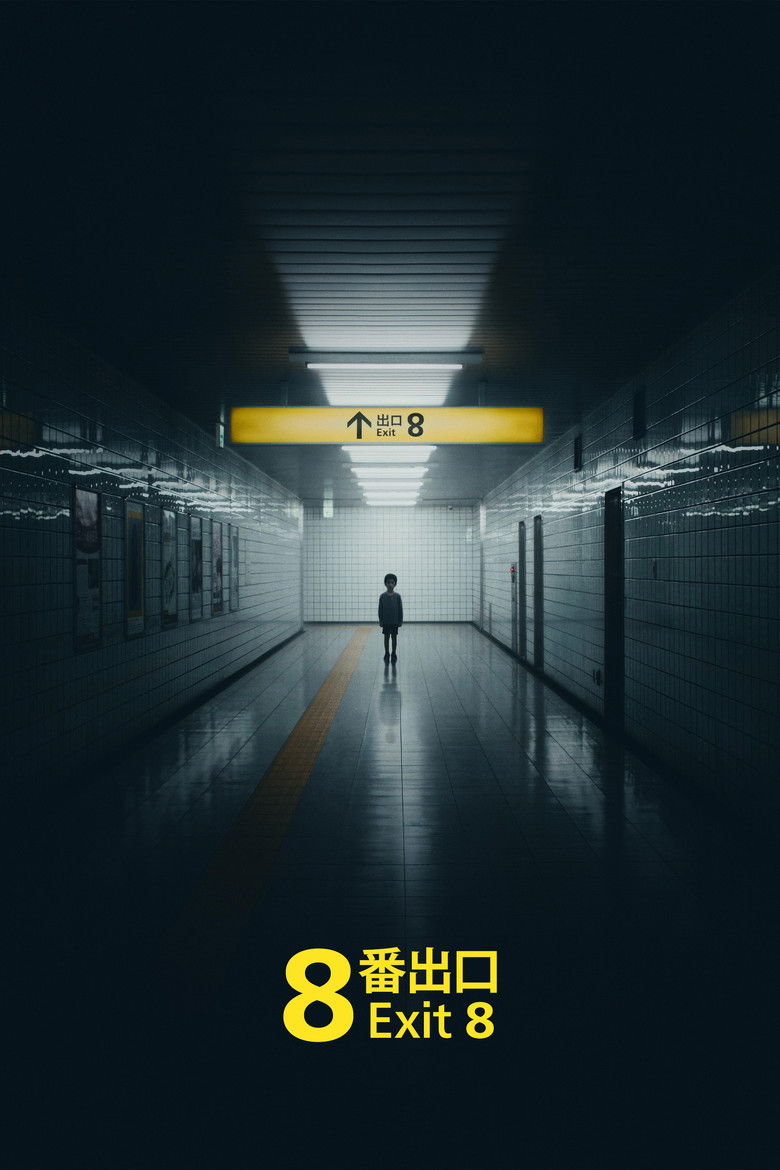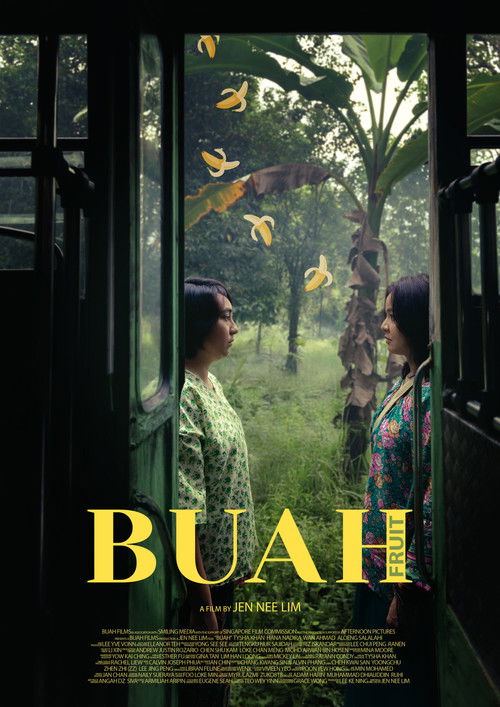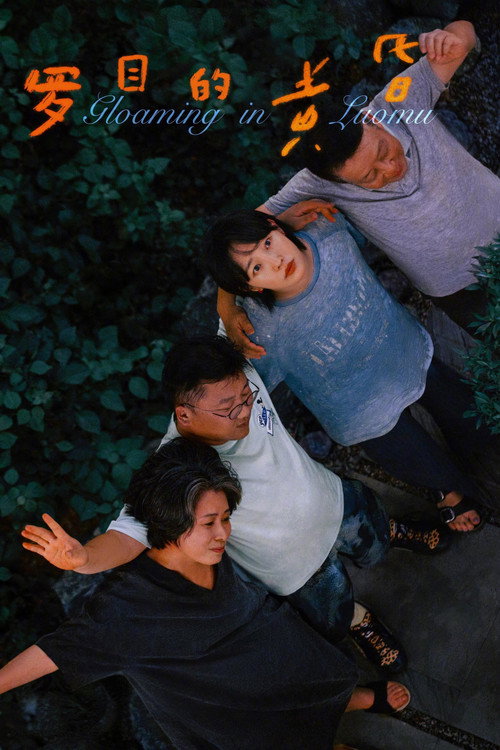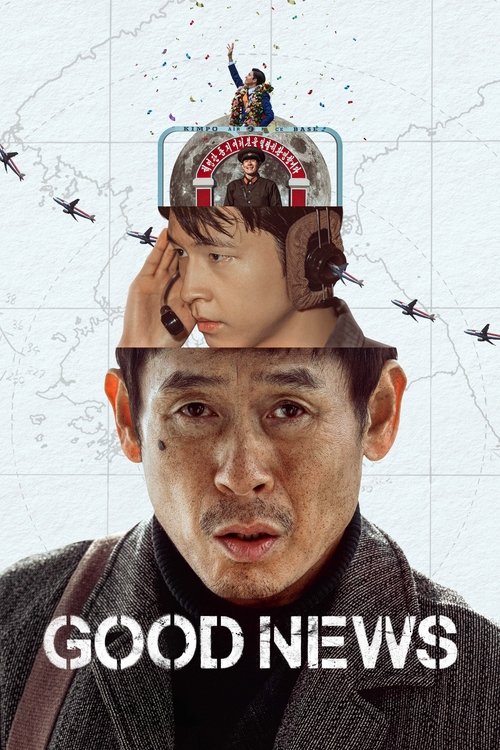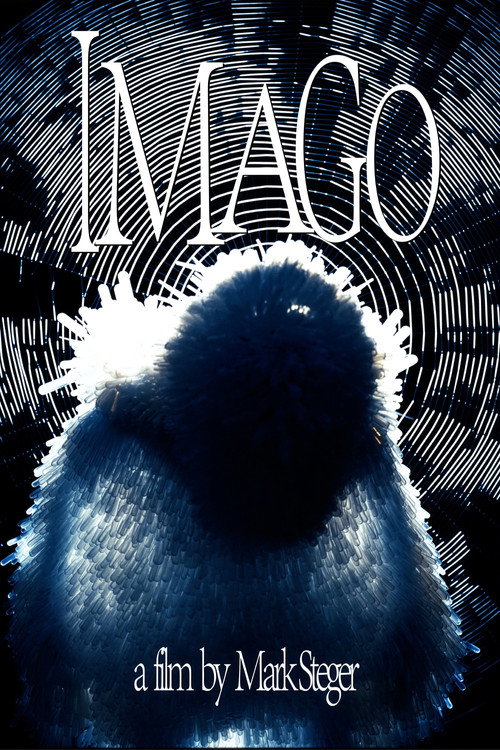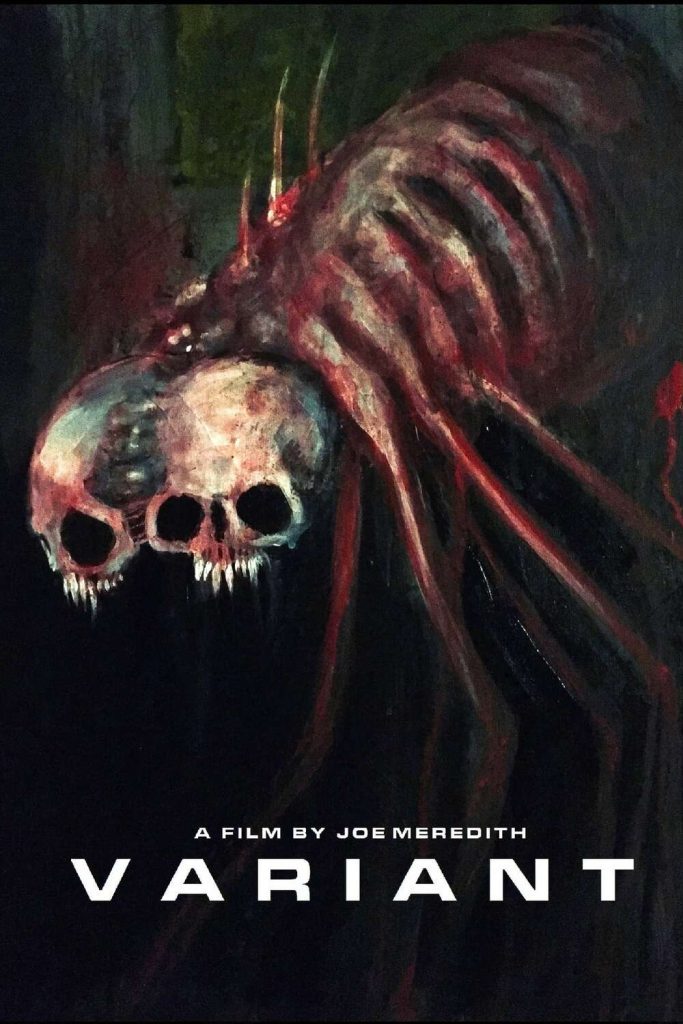

The Busan International Film Festival is the leading film festival in Asia by international profile and influence, founded in 1996 in the South Korean port city of Busan - then romanised as Pusan, which accounts for the festival's well-known PIFF acronym from its early years. It was established explicitly to create an Asian counterpart to the great European festivals, and its founding ambition - to be a genuine discovery platform for Asian cinema at a time when the continent's film cultures were largely underrepresented in international critical discourse - has shaped everything about how it operates.
Held each October, the festival runs across the Haeundae district of South Korea's second city, centred on the purpose-built Busan Cinema Center that opened in 2011. Before the Cinema Center was built, the festival operated through the Nampo-dong district and the area around Haeundae Beach, and those early years - outdoor screenings, dense crowds, a palpable sense of communal event - established a festive atmosphere that the current venues have largely preserved.
The festival's competitive section, A Window on Asian Cinema, focuses specifically on films from across the continent. The New Currents Award, given to first and second features by Asian directors, is among the most closely watched prizes in world cinema, and its alumni roster reads as a who's who of directors who defined Asian art cinema in the years since 1996 - filmmakers from Iran, China, South Korea, Taiwan, the Philippines, Thailand, and beyond received early international recognition at Busan before their work travelled to Cannes, Venice, or Berlin.
Korean genre cinema has an intimate relationship with Busan. South Korea's film industry has produced some of the most internationally celebrated genre films of the past three decades - in thriller, horror, crime, and dark-comedy - and Busan has consistently provided a domestic platform for Korean genre work alongside its international art-cinema programming. Directors whose careers now command global attention began their festival trajectories at Busan, often with early features that mixed genre mechanics with auteurist ambition.
The broader Asian genre landscape that Busan has platformd is equally significant. Japanese horror at the peak of its international visibility in the late 1990s and 2000s, Thai action and horror production, Indonesian genre filmmaking, Hong Kong cinema in its transition from the peak genre era to the post-handover period - all of these have appeared in Busan's programming at historically significant moments. The festival's Asian New Talent awards section and its wide Asian Cinema strand together create a map of the continent's genre output that no other festival replicates.
The Asian Project Market (APM), running concurrently with the festival, is the leading film co-production market for Asian cinema. It brings together directors and producers with development-stage projects, connecting them with international partners, distributors, and completion funds. Genre projects with international co-production potential appear regularly in APM selections, reflecting the global appetite for Asian genre filmmaking.
Busan also runs the Asian Film Academy, a residential training program for emerging filmmakers from across the continent, and the Asian Cinema Fund, which provides production and post-production grants for Asian projects. Both programs have supported films that have gone on to festival competition and commercial release.
The festival's scale is impressive - it screens hundreds of films across its ten-day run, attracting audiences measured in hundreds of thousands, and its opening and closing ceremonies draw major industry figures from across Asia and beyond. For anyone mapping the international landscape of thriller, horror, and genre cinema more broadly, Busan is an indispensable point of reference.
 Toronto International Film Festival
  International Film Festival Rotterdam
  Venice Film Festival
  Cannes Film Festival