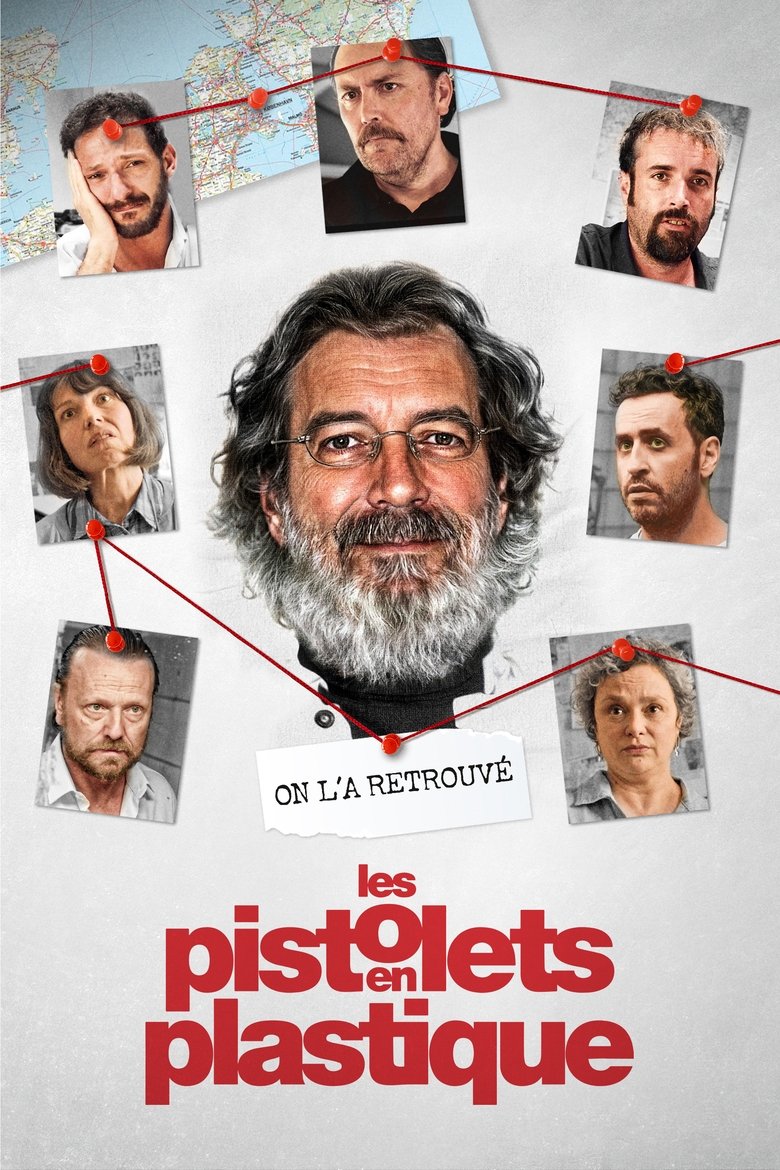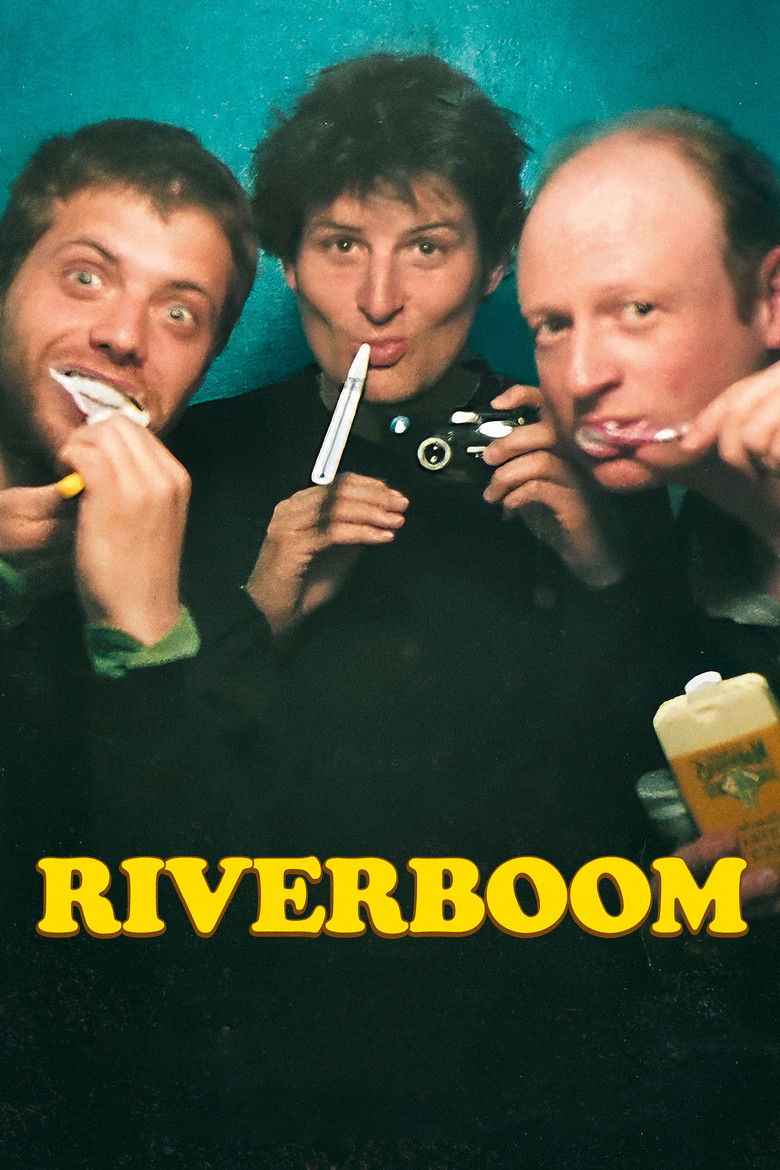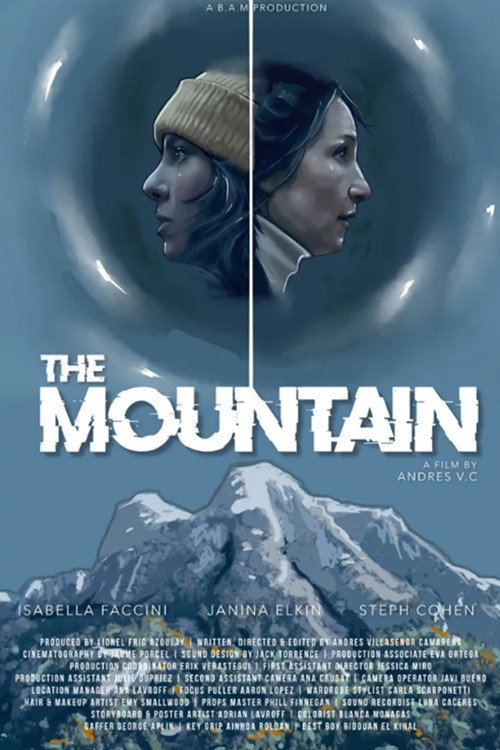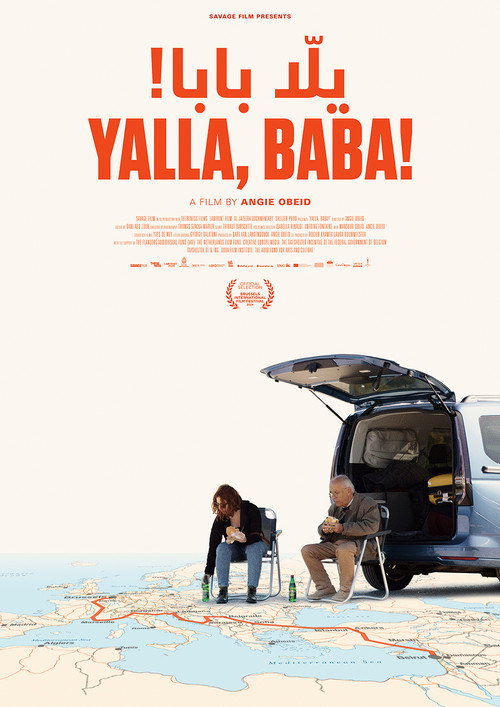

Brussels Film Festival
Brussels Film Festival, established in 2002 and held each summer in the Belgian capital, focuses primarily on European fiction cinema, presenting a competition dedicated to European feature films alongside a broader programme of premieres, retrospectives, and special events. The festival has positioned itself as a celebration of European filmmaking rather than a generalist world cinema event, giving it a distinctive identity within a festival landscape where European focus is less common than might be expected.
Brussels is itself a particularly appropriate host city for a European-focused film festival. As the de facto capital of the European Union and the headquarters of multiple major European institutions, Brussels has an unusual cultural character: a city of expatriates, diplomats, and bureaucrats alongside its Belgian population, creating an audience that is both cosmopolitan and specifically invested in European cultural questions. The European context is not merely geographic but political and cultural, and films that engage with what Europe is and what it might become find a receptive environment here.
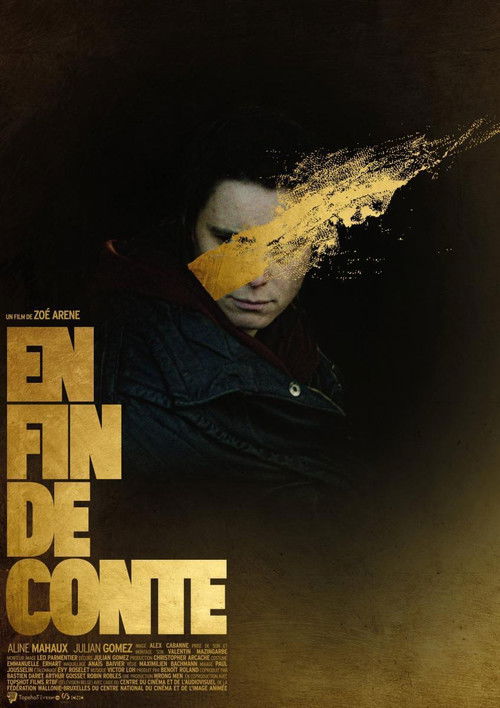
The Magritte Awards, Belgium's national film honours, are distinct from Brussels Film Festival but share an investment in Belgian cinema that the festival reflects in its programming. Belgian filmmakers - both from the French-speaking Wallonia region and the Dutch-speaking Flemish community - receive attention at Brussels Film Festival through dedicated national programmes and through the inclusion of Belgian productions in the wider European competition.
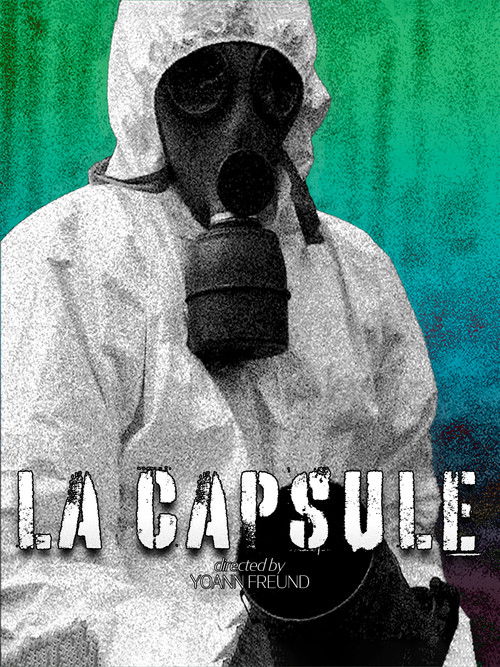
European genre cinema has a long and distinguished history, and Brussels Film Festival has shown work in genre registers when such films represent significant European filmmaking. Thriller and crime cinema from France, Germany, Scandinavia, and Spain appear in the European competition alongside more conventionally prestige-oriented fare, reflecting the reality that genre filmmaking constitutes a significant portion of European commercial production.
Belgian cinema itself has a notable genre strand. Belgium produced some of the most interesting European horror and transgressive cinema of the 1990s and 2000s, with directors whose work gained international attention for its unflinching engagement with dark subject matter. Man Bites Dog (C'est arrivé pres de chez vous) from 1992 established a template for Belgian provocateur cinema that subsequent filmmakers engaged with and extended. Brussels Film Festival has provided a domestic platform for this tradition.
The festival takes place each June, programming screenings across multiple Brussels venues over approximately ten days. Summer in Brussels, a city not known for reliable sunshine, nevertheless draws audiences to the festival, which has cultivated a loyal following among the capital's cosmopolitan resident population and visitors from across Belgium and neighbouring countries.
A focus on films that are commercially difficult but artistically significant is central to the Brussels Film Festival identity. The European films that find their way into the competition are often those that have struggled to secure wide distribution despite critical recognition, and the festival functions as an advocacy platform for these works within the European cultural space.
Special events, including outdoor screenings in Brussels' distinctive public squares and parks, extend the festival beyond cinema halls into the city's public life. Brussels' architectural mix of Art Nouveau masterpieces, brutalist EU buildings, and historic medieval streets provides an unexpected variety of outdoor screening environments.
Retrospective programmes look back at European film history with thematic or career-based focuses, connecting contemporary European cinema to its traditions. Belgian cinema history, from the early decades of sound film through the various waves of new Belgian cinema, has received retrospective attention at the festival.
Industry activities are modest but present, reflecting Brussels' position as a city where European film policy is made. Conversations about European co-production frameworks, digital distribution, and public funding for cinema take on particular relevance in a city where the institutions that shape these policies have their offices.