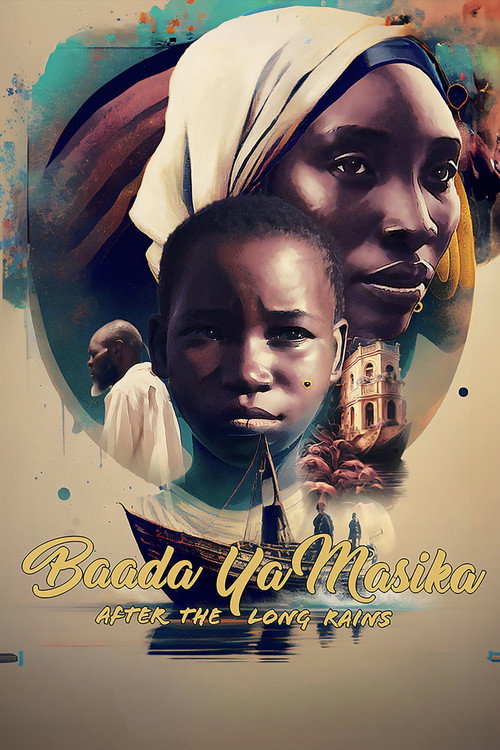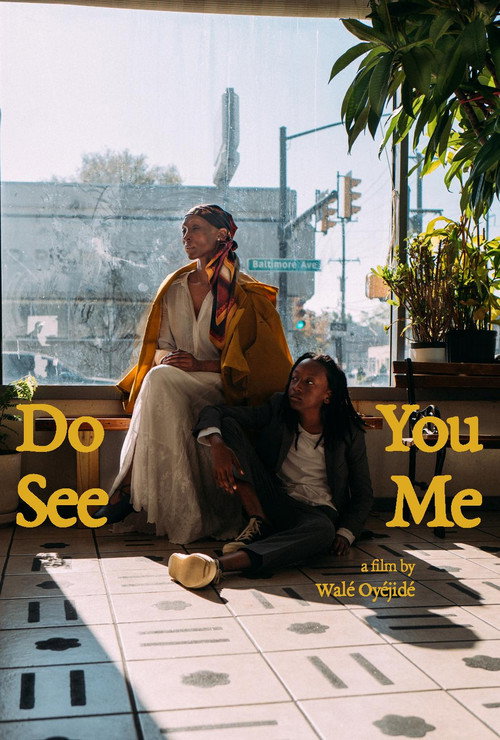

BlackStar Film Festival is the leading film festival in the United States dedicated to films by and about people of African, African-American, and African diaspora descent, founded in Philadelphia, Pennsylvania and operating annually in late July or early August. Its explicit centering of Black filmmakers and Black subjects makes it a singular cultural institution in the American festival landscape - not a niche event supplementing a more general program, but a festival with a fully articulated curatorial mission and the programming depth to back it.
Founded by programmer and curator Maori Karmael Holmes, BlackStar has grown from a small community event into an internationally recognized festival that attracts filmmakers, critics, and industry visitors from across the United States and internationally. Its reputation rests on programming choices that are consistently daring - the festival has never confused Black cinema with a monolithic style or subject matter, and its program reflects the full diversity of filmmaking by and about people of African descent, from documentary and social realism through experimental film, animation, genre work, and formally radical independent cinema.
United States independent filmmaking, particularly from Philadelphia and the broader East Coast, forms a significant component of the program each year. BlackStar has served as an early showcase for Philadelphia-area and regional Black filmmakers who might not have found an equally engaged audience at festivals with more generic programming mandates. The festival's deep roots in Philadelphia's Black arts community give it an authenticity and community engagement that larger, more institutionalized events sometimes lack.
The international dimension of BlackStar is equally important. Films from across the African continent - Nigeria, Ghana, Kenya, South Africa, Senegal - as well as from the Caribbean, Brazil, the United Kingdom, and France have all featured in BlackStar programs, reflecting the festival's understanding of the African diaspora as a global phenomenon with multiple creative centers. This international scope gives the festival genuine authority as a global Black cinema platform rather than a narrowly American one.
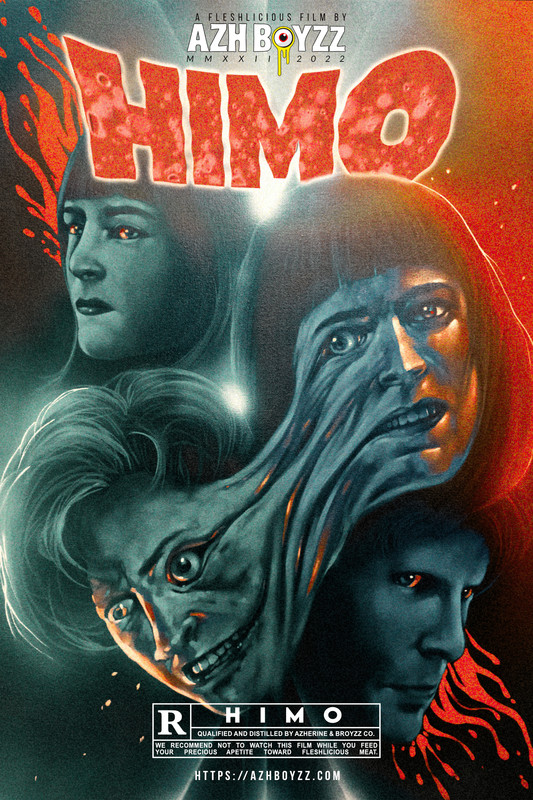
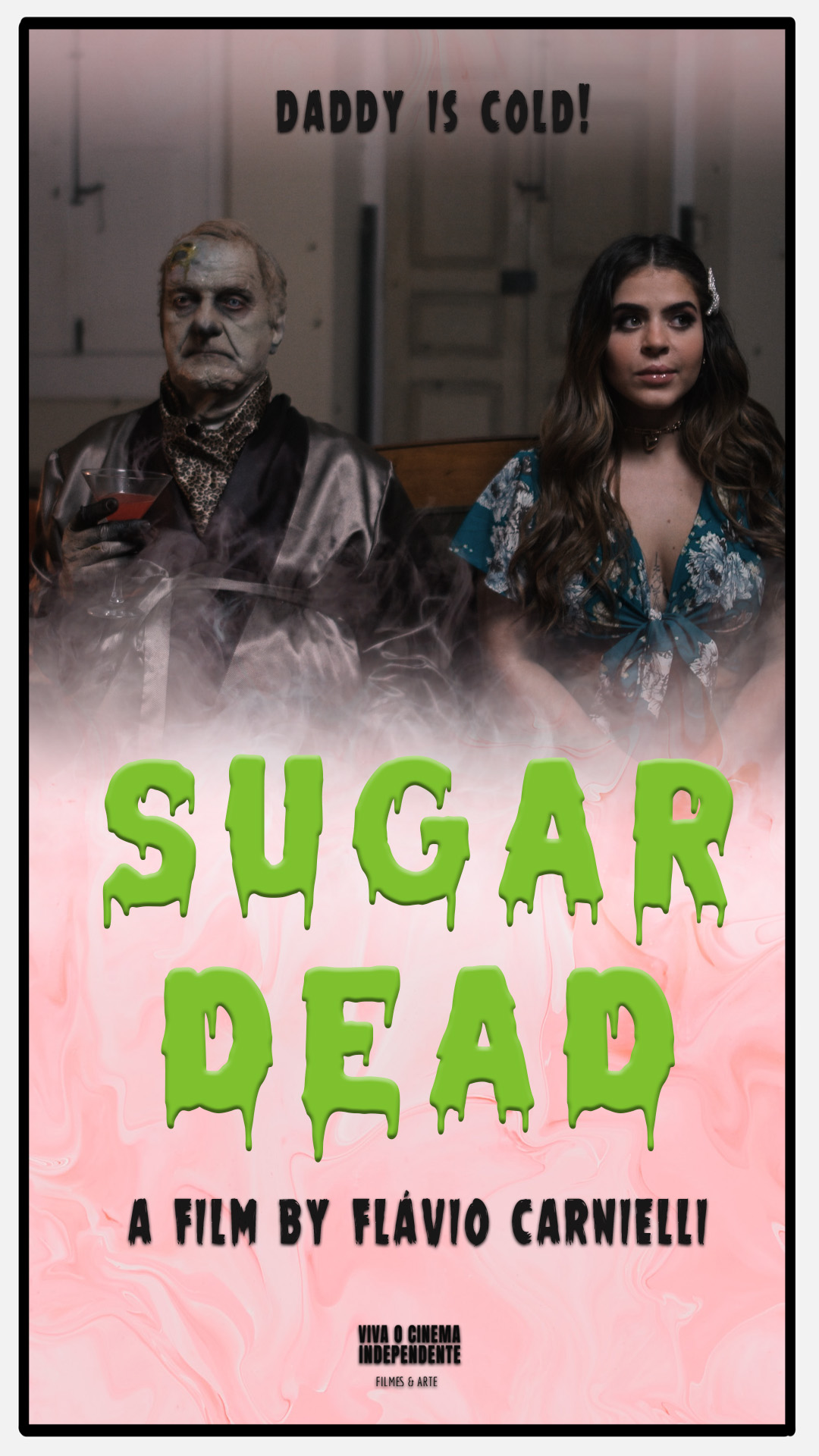
Genre cinema has been an important and often underacknowledged strand of BlackStar programming. The festival has presented horror films by Black directors that engage with the particular fears and experiences of Black Americans - a tradition with deep historical roots that has experienced a major creative resurgence since the mid-2010s. Blaxploitation film, as both historical genre and ongoing influence, falls squarely within the territory BlackStar takes seriously. Thriller and crime films, sci-fi and Afrofuturist work, and dark-comedy have all featured in programs alongside more conventionally festival-oriented dramatic work.
The festival's engagement with Afrofuturism - a cultural and artistic movement that reimagines futures for Black people through the tools of science fiction, fantasy, and speculative thinking - has been particularly notable. Afrofuturist cinema sits at the intersection of genre and radical politics in ways that make it natural programming for a festival committed to both aesthetic adventurousness and cultural urgency, and BlackStar has been among the first American festivals to take this mode of filmmaking seriously as a programmable category.
Philadelphia's Black arts infrastructure provides BlackStar with community roots that sustain the festival through the organizational challenges that end many comparable events. The festival has cultivated relationships with local organizations, educational institutions, and arts venues that make it a year-round presence in Philadelphia's cultural life rather than a once-a-year spectacle. That rootedness has proven a genuine organizational advantage.
BlackStar's growth into an internationally recognized platform while maintaining its community commitments and curatorial independence represents one of the more significant achievements in American independent festival programming over the past decade.
 BFI London Film Festival
  DOC NYC
  Hot Docs Canadian International Documentary Festival
  Atlanta Film Festival